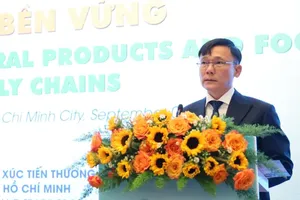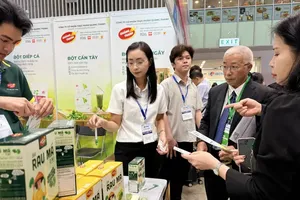
The Management Board of the HCMC High-Tech Agricultural Park, in coordination with the HCMC Investment and Trade Promotion Center (ITPC), held a seminar titled “Urban Agriculture – The Future of Farming in the City” on the afternoon of April 15 in Tan My Ward, HCMC.
The event aimed to update participants on emerging trends in urban agriculture, particularly high-tech, climate-resilient models, while fostering linkages among regulators, experts, businesses, and cooperatives. It also sought to accelerate technology transfer, innovation, and the application of AI, IoT, automation, and circular economy principles.
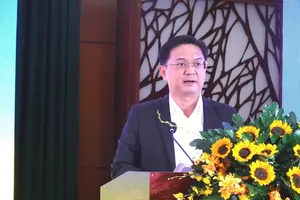
In her remarks, Ms. Ho Thi Quyen, Deputy Director of ITPC, noted that HCMC has favorable conditions to develop advanced urban agriculture. However, scaling up successful models remains limited, especially in bridging research, enterprises, and markets.
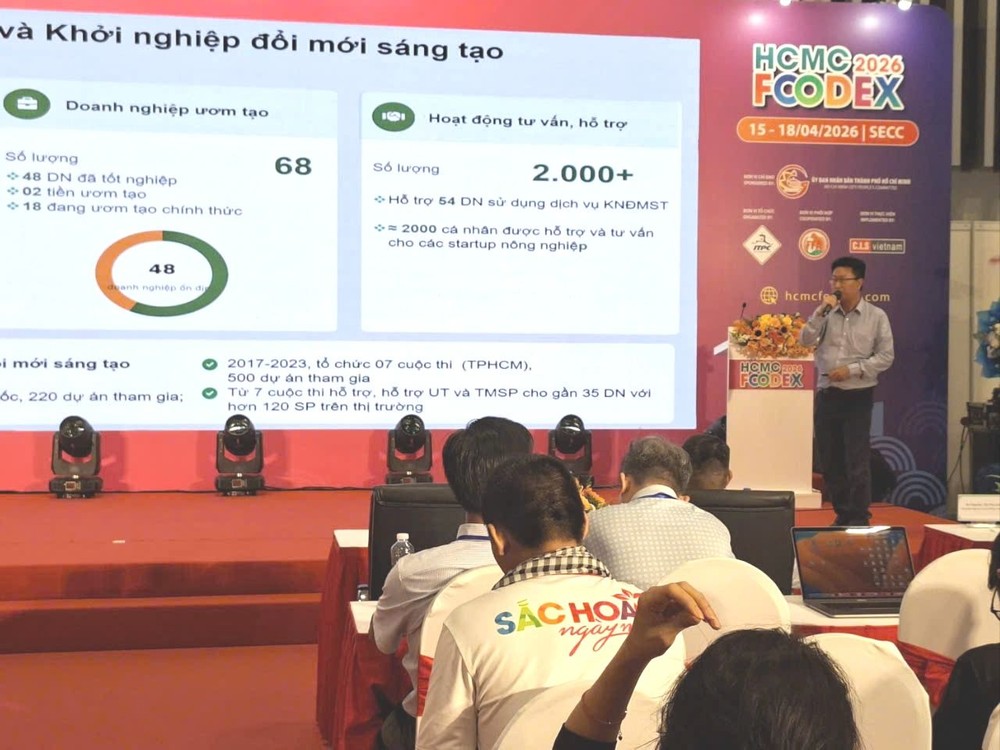
According to Mr. Pham Cao Khai, Head of Science and Training at the HCMC High-Tech Agricultural Park, the unit has implemented more than 550 research projects, with a practical application rate of 70 percent. It has also developed over 160 technical processes, deployed more than 580 high-tech models, and transferred 66 core processes to localities.
Dr. Vo Dinh Long of the HCMC University of Industry highlighted successful urban agriculture practices across the region. In Singapore, despite having only about 1 percent of land for agriculture, high-tech farms meet 14 percent of leafy vegetable demand and 26 percent of egg consumption. In Malaysia, the number of communities engaged in urban agriculture is projected to rise from 11,000 in 2021 to 20,000 by 2030.
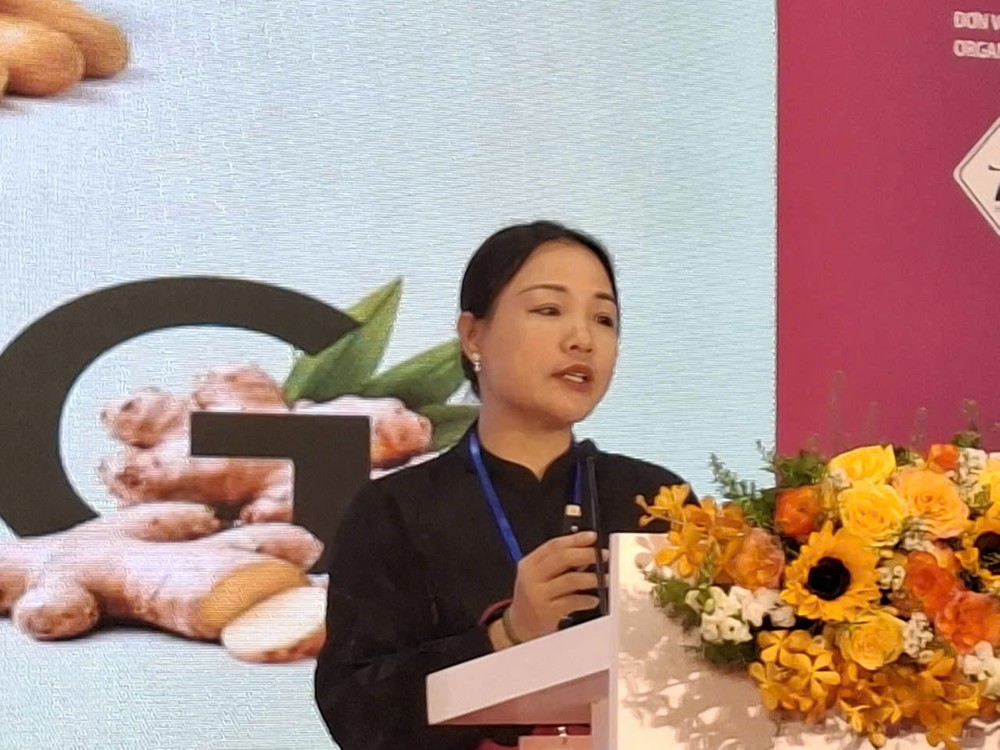
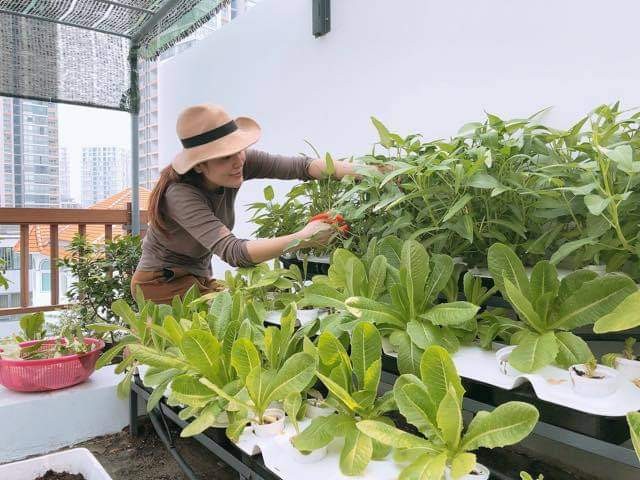
At the seminar, Ms. Nguyen Thi Van Anh, Director of Tam Nong Vietnam Cooperative, introduced space-efficient models suited to urban settings, including horizontal and vertical hydroponics and soil-based systems, which optimize land use while ensuring safe production ecosystems.
Through the event, ITPC expects to help steer urban agriculture toward an ecological, circular, and sustainable development path.