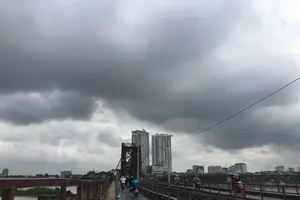
A rare cold front sweeping into Northern Vietnam has brought widespread heavy rain and sharply lower temperatures, ending a prolonged heatwave across the region.
According to the National Center for Hydro-Meteorological Forecasting, the cold air mass began affecting Northern and North-Central provinces on June 9. Historical records show that Vietnam recorded 25 June cold fronts between 1979 and 2025, but only seven since 1991. Notably, no June cold front had occurred since 2014, reflecting a broader decline in late-season cold surges amid rising global temperatures linked to climate change.
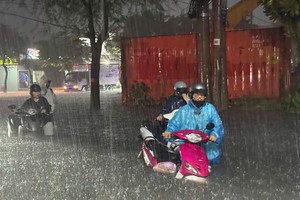
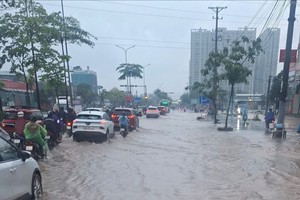
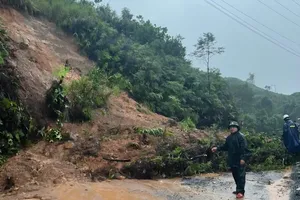
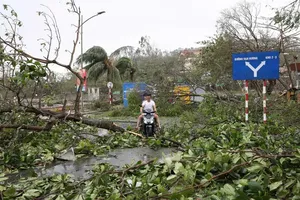
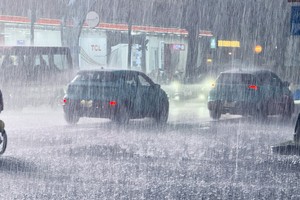
Combined with upper-level wind convergence, the cold front triggered heavy to very heavy rainfall across northern Vietnam from the evening of June 8 through June 9. The Northwest region, from the northern part of Phu Tho Province and Tuyen Quang Province, recorded widespread heavy rain, with some areas receiving more than 250 mm. Thanh Hoa and Nghe An provinces also experienced heavy downpours, with localized rainfall exceeding 150 mm.
The rain and cold air caused temperatures in the Northeast region and Thanh Hoa Province to fall by 5-7 degrees Celsius on June 9, bringing significantly cooler conditions. The Southern region, the South Central coastal region, and the Central Highlands region remained unaffected by the cold front.
In response to the severe weather threat, the National Steering Committee for Civil Defense on June 8 directed authorities in 15 northern provinces and cities to implement emergency measures to mitigate flood risks through June 10.
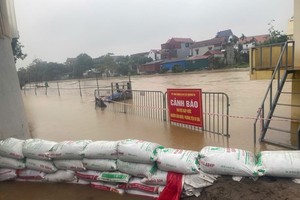
Forecasts indicate water levels on small rivers and upstream sections of major rivers could rise from 2 meters to 4 meters, with peak flood levels reaching the first and the second-stage warning levels in some areas. Authorities warned that flooding could inundate low-lying riverside communities, disrupt inland waterway transport, damage aquaculture operations and agricultural production, and affect local livelihoods.
The committee instructed local authorities to inspect and secure fish cages, riverside construction sites, water transport vessels, and mining operations. Agencies were also ordered to prepare traffic control measures at bridges, culverts, spillways, and other areas vulnerable to strong currents and flooding.

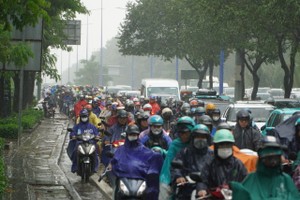
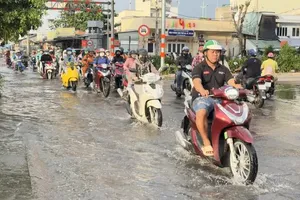
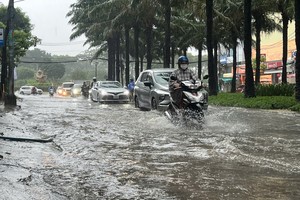
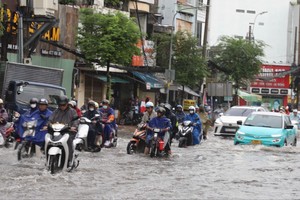
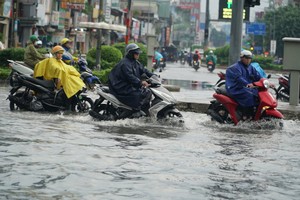

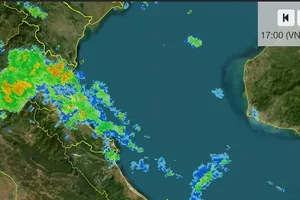
)