AI and modern technological tools have evolved into invaluable right-hand assistants for creative professionals. Starting from an initial concept paired with suitable prompts, AI can rapidly churn out products tailored to user demands, remarkably including customized paintings, retouched photographs, or captivating video clips.
Ultimately, they cultivate a profoundly vibrant digital space. Yet, amidst this relentless flow, numerous individuals still actively choose to carve out a mental “breathing space” by hunting down highly rustic, entirely unique handcrafted items.
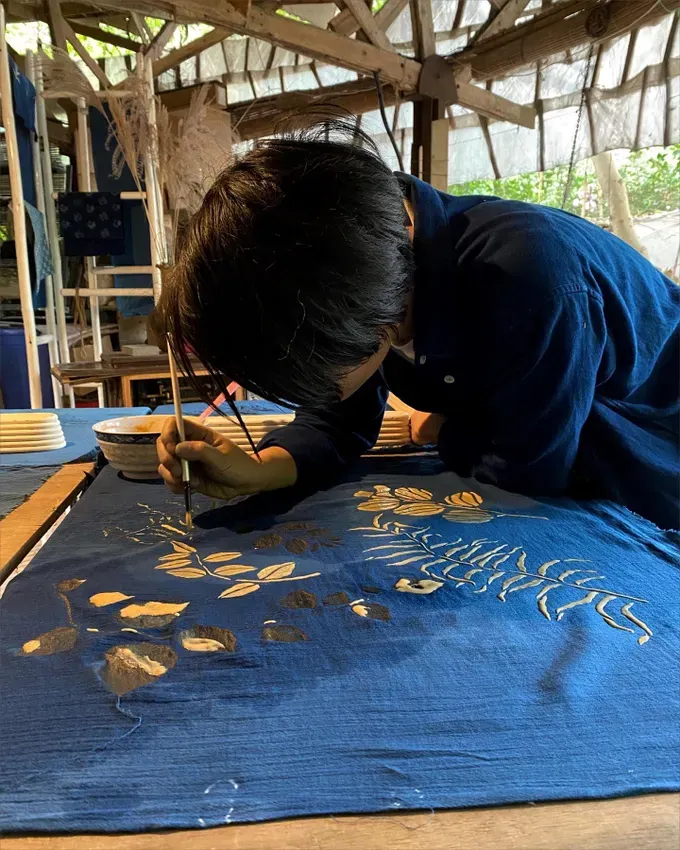
For Hoang Thanh Phuong, director of an HCMC-based software enterprise, the profound appeal is entirely evident. “Resting on my desk is a table lamp boasting a traditional Do paper lampshade, meticulously hand-painted with the classic ‘Rat Wedding’ scene,” he earnestly shared. “Whenever I’m feeling overwhelmed or exhausted, I gaze at it and genuinely feel as though I can see the artisan intensely sketching every single stroke. Over here, a little mouse turns its head with a cheeky grin; over there, a tiny horse playfully wobbles. At the end of the day, that visceral feeling is something mass-produced items, despite being vastly more precise, simply can’t replicate.”
The intrinsic value of handicrafts is vitally sustained by the unparalleled craftsmanship of artisans, alongside the sheer adoration and profound understanding of their clientele.
A quintessential example involves bat and longevity motifs adorned on Nha Xa silk garments from Hanoi, which initially caught the public’s eye on renowned celebrities. However, it wasn’t until consumers grasped their purely handwoven characteristics that Nha Xa silk genuinely captured buyers’ hearts.
It appears numerous individuals are entirely willing to shell out hefty sums to secure a masterpiece birthed directly from an artisan’s hands, heavily packed with immense time and grueling effort. In stark contrast to standard industrial commodities, customers don’t merely embrace handcrafted goods purely for their utilitarian function or visual aesthetics. The underlying narrative, the raw emotion, and the profound personal imprint intricately woven into each artisanal piece are what genuinely garner the most immense attention.
“Profoundly understanding the authentic value of handicrafts, we focus on the creative process and the emotional values products inherently deliver,” noted Ms. Kim Ngan, owner of Hanoi’s Cera Magic pottery shop. “Instead of attempting to please everyone, we choose to forge the best possible products within our capabilities, loaded with distinctive marks.”
Developing a successful handicraft business isn’t easy. According to Ms. Hang Anh, owner of Thai Nguyen Province’s Do Do Lamp shop, all artisanal units share a common hurdle. Production is incredibly time-consuming, depending heavily on variables like raw material quality, weather, and craftsmen’s capabilities. Furthermore, small-scale facilities fiercely struggle to balance long execution times against the surging demands of an eager clientele.
“Customers heavily favor products imbued with traditional national identity,” Hang Anh explained. “Our offerings follow that trajectory, utilizing traditional do paper, vintage linen, and Ly-Tran dynasty patterns. However, traditional raw materials yield low output, and top-tier hand-painted artworks can’t be rushed. To guarantee impeccable quality, we must accept missing out on potential clients.”
The robust survival and continuous evolution of artisanal art products squarely within the unforgiving context of industrialization highlight a profound reality: once artistic value is more distinctly recognized, products inseparably tethered to captivating narratives, raw emotions, and the agonizing sweat of the artisans will permanently secure a coveted spot in our socio-cultural life.
Consequently, this exact wave of passionate public interest has effectively generated tremendous motivation for crafters to relentlessly push their creative boundaries, definitively asserting their unique essence to fiercely preserve priceless artistic values.
Over on social media platforms, the overwhelming attention showered upon artisanal goods has reportedly mirrored the currently dominating consumer trends to a significant degree.
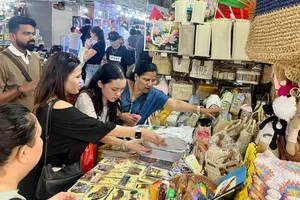
The sheer variety of highly publicized items is incredibly diverse, ranging from popular everyday staples like jewelry and household utensils to premium home decor pieces boasting substantial price tags such as intricate ceramic statues, meticulously hand-folded paper flowers, or artistic models, all of which consistently receive enthusiastic reception and massive attention from an eager consumer base.