Ho Chi Minh City currently operates 25 museums containing nearly 693,000 artifacts and documents, including 25 national treasures. The collections reflect the city's historical evolution, southern cultural traditions, maritime heritage and international interactions.
Building a connected museum ecosystem
Museums across Ho Chi Minh City acquired more than 18,400 artifacts, documents and photographs between 2021 and 2025, while attracting over 13.4 million visitors, including nearly four million international tourists. The figures underscore the growing role of museums in the city's cultural life.
Yet, experts at a recent conference on museum development argued that the key challenge is no longer the number of museums but the lack of meaningful connections among them.
Historian Nguyen Thi Hau, Secretary General of the Ho Chi Minh City Historical Science Association, noted that most museums continue to operate as standalone institutions, without a unified framework capable of presenting the broader story of the city's history and cultural evolution. She said a metropolis of Ho Chi Minh City's scale should foster an integrated museum ecosystem that links public and private museums, historical landmarks and community cultural spaces into a cohesive visitor experience.
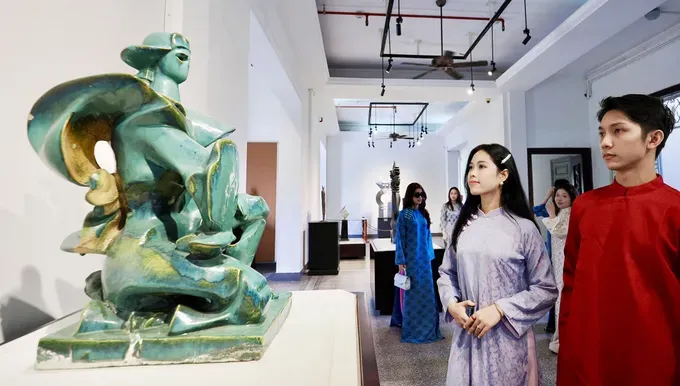
Some institutions have already begun embracing this approach. The War Remnants Museum in Ho Chi Minh City has expanded its role beyond historical preservation to become a venue for dialogue on peace, reconciliation and post-war recovery. The Ho Chi Minh City Museum of Fine Arts regularly stages thematic exhibitions and collaborates with contemporary artists, while the Southern Women's Museum has strengthened heritage education programs centered on gender issues and the cultural traditions of the Southern region.
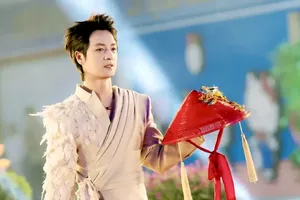
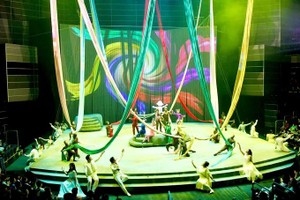
Private museums are also helping diversify the city's cultural offerings. The Ao Dai Museum has successfully combined heritage conservation with cultural experiences, artistic performances and tourism activities. Meanwhile, the Quang San Art Museum has established itself as a hub for the artistic community through exhibitions, visual arts education and public engagement programs.
New momentum from cultural industries
While museums were once measured primarily by the size of their collections, experts now argue that public engagement has become the most important benchmark.
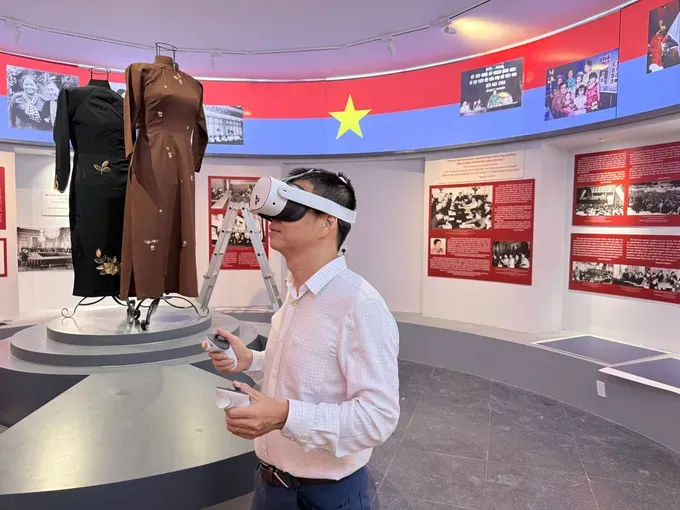
According to the Ho Chi Minh City Department of Culture and Sports, museums in the city have made significant progress in digital transformation. More than 249,000 artifacts and documents have been digitized in 2D format, while over 2,100 items have undergone 3D digitization. Several institutions have introduced virtual exhibitions, 360-degree online tours, audio guides and social media platforms to reach younger audiences.
Nevertheless, museum digitalization remains at an early stage. Tran Anh Thien, Deputy Director of the Ba Ria–Vung Tau Museum and Library, said that digital transformation should fundamentally reshape museum management, conservation and public services. Technology, he noted, should serve as a storytelling tool that enriches visitor experiences and expands access to cultural heritage.
Visitors today expect museums to offer opportunities for interaction, participation and discovery rather than passive observation. Meeting these expectations, experts argue, will allow museums to integrate more deeply into the broader cultural industry ecosystem.
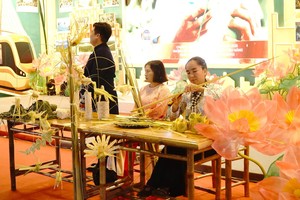
As a result, many specialists have proposed restructuring the museum system through greater specialization and stronger alignment with local strengths. One notable proposal is to transform the Binh Duong Museum into a Museum of Traditional Crafts dedicated to showcasing ceramics, Tuong Binh Hiep lacquerware and the region's distinctive craft villages. Such a model could preserve heritage while creating new cultural tourism products, expanding experiential education and supporting the creative economy.
In Ho Chi Minh City's vision for cultural industry development, museums are no longer seen solely as places for preserving artifacts. By strengthening connections with tourism, education, technology and creative industries, museums can become vibrant cultural destinations that contribute to economic development and urban attractiveness.
This transformation would enable the city's museums to evolve from storage facilities into creative spaces where the past is interpreted through contemporary perspectives and becomes a source of inspiration for future generations.
Mr. Tran The Thuan, Director of the Ho Chi Minh City Department of Culture and Sports, said that the city is encouraging public museums to shift from an artifact-centered approach to a visitor-centered model.
Before approving renovation, expansion or new construction projects, authorities now require museum operators to prioritize public access, visitor experience and interaction. According to him, this approach reflects global museum trends and will help make museums more engaging, accessible and relevant to the public.