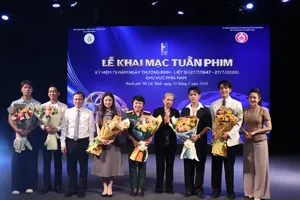
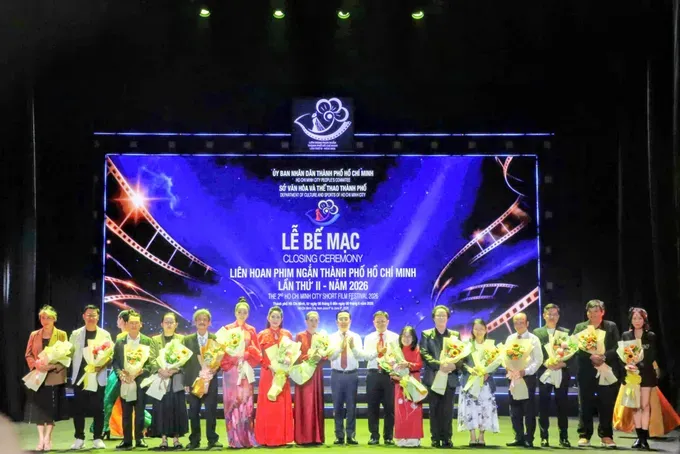
The 2nd Ho Chi Minh City Short Film Festival 2026, organized under the direction of the Ho Chi Minh City People’s Committee, with the Department of Culture and Sports in coordination with the Ho Chi Minh City Cinema Association, concluded on the evening of June 8.
A talent incubator for young filmmakers
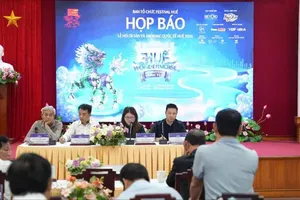
One of the new highlights of this year’s festival was the launch of the “HCMC Short Film Lab—Nurturing Cinematic Talent," an initiative designed to support young filmmakers in refining their projects and gaining access to a professional filmmaking environment. “Tran Sao Am Vay” (As Above on Earth, So Below in the Underworld) by Ha Tat Thanh was among the 12 projects selected for the program’s final round.
“This is an opportunity to gain a deeper understanding of how a cinematic idea can be developed and brought to life in practice,” Ha Tat Thanh said.
Director Khon Nguyen, head of the Ho Chi Minh City branch of MTH Cinema and Technology Group JSC, a co-organizer of the program, said that in addition to recognizing outstanding projects, the Lab also featured exchanges with domestic and international industry experts, professional training courses, and technical equipment support. These activities aim to help high school and university students, as well as emerging filmmakers, gain access to the latest film production technologies and enhance their professional skills.
Discussions on artificial intelligence (AI) also featured prominently throughout the festival. Projects participating in the HCMC Short Film Lab were encouraged to incorporate AI into various stages of filmmaking, from concept development and scriptwriting to post-production.
Actress and producer Mai Thu Huyen noted that AI is helping young filmmakers turn bold ideas into finished works more efficiently and within a shorter timeframe. However, she emphasized that AI serves only as a supporting tool and cannot replace core artistic values such as emotion, aesthetic sensibility, and storytelling ability—elements that ultimately determine whether a film can resonate with audiences.
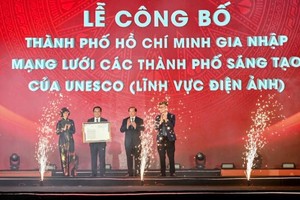
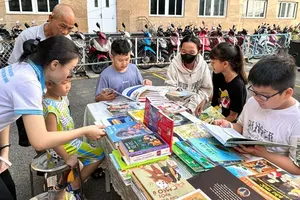
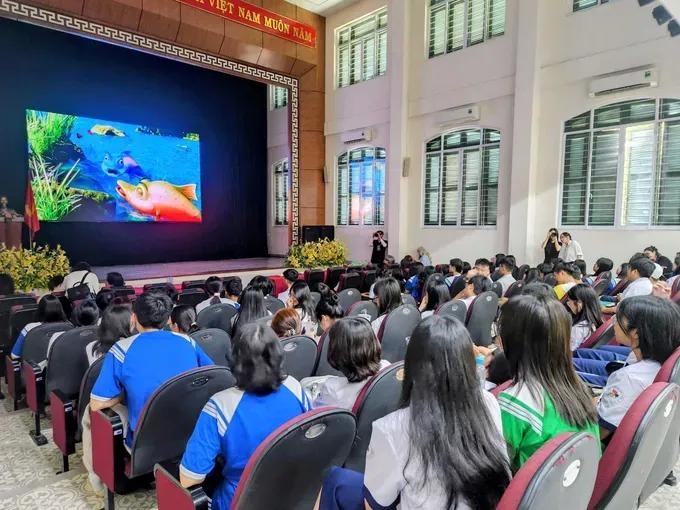
The “Building Cinema in Schools” initiative, one of Ho Chi Minh City’s commitments to UNESCO, was also integrated into this year’s festival program. The initiative featured film screenings and exchanges with film crews at several high schools, including Le Quy Don High School in Xuan Hoa Ward, Tran Khai Nguyen High School in An Dong Ward, Tay Thanh High School in Tay Thanh Ward, and Gia Dinh High School in Thanh My Tay Ward, attracting strong participation from students.
Positive developments
The film festival received positive feedback for both the diversity of themes and the quality of the competing entries.
According to People’s Artist Nguyen Thi Thanh Thuy, Deputy Director of the Ho Chi Minh City Department of Culture and Sports and co-chair of the Festival Organizing Committee, the entries demonstrate that young filmmakers are not only telling stories from their immediate surroundings but are also exploring themes related to history, national culture, and the country’s development in the new era. In particular, the expansion of Ho Chi Minh City’s administrative boundaries has provided a richer source of material, serving as a foundation for filmmakers to adopt broader perspectives on subjects and creative approaches to their works.
This positive trend is clearly reflected in works such as “Bac si o xa dao” (Doctor on the Island Commune) by young director Cao Mai, which tells the story of Dr. Luan Thanh Truong and volunteer medical workers who remain on the island to provide healthcare services for residents of Can Gio, Ho Chi Minh City; “Nguoi dong nang” (The Sun Gatherer) by Umani Production, which portrays the daily lives of salt farmers in Can Gio; and “Dang hinh dat nuoc” (The Shape of the Nation) by Bao Thy, a second-year student majoring in Graphic Design at Van Lang University, which explores cultural values through architectural works.
In addition, many young filmmakers have chosen to challenge themselves by working in stop-motion animation, a genre that demands both technical expertise and considerable perseverance. Notable examples include “Lang lo troi” (Drifting Quietly) by the Ban Cung Ban group, “Teu- Khuc am cuoi” (Teu- The Final Melody) by the Roi group, and “Tinh Dung” by R&B Studio. Other emerging talents, such as Pham Tran Anh Thu with “Vali” (The Suitcase), Ho Minh Khoa with “Tieng thet” (The Scream), and Le Thi Diem Quynh with “Phiaa sau nguoi linh” (Behind the Soldier), have also demonstrated distinctive creative voices and unique artistic identities.
While there remain areas that require further improvement, the festival has demonstrated the vitality and potential of a new generation of filmmakers. It also reflects the gradual emergence and growth of a young filmmaking community in Ho Chi Minh City.
The 2nd Ho Chi Minh City Short Film Festival 2026’s winners are revealed
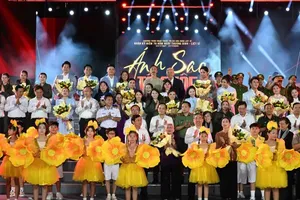
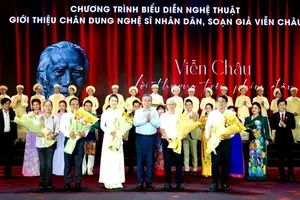
On the evening of June 8, the closing and awards ceremony of the 2nd Ho Chi Minh City Short Film Festival 2026, themed “Touching Glory,” was held solemnly at the HCMC Opera House.
This year’s festival also witnessed enthusiastic participation from directors and students representing several reputable film and arts training institutions, including Ho Chi Minh City University of Theatre and Cinema, Van Lang University, FPT University Ho Chi Minh City, and Ho Chi Minh City University of Technology (HUTECH), alongside independent filmmakers and film production companies.
Speaking at the closing ceremony, Nguyen Thi Thu Ha, former Deputy Director General of the Department of Cinema under the Ministry of Culture, Sports, and Tourism; former Deputy Director General of the Department of Science, Technology, Training, and Environment; and Vice President of the Vietnam Film Development Association, representing the jury panel, noted that the more than 100 short films submitted to the festival reflected a rich diversity of themes, fresh storytelling approaches, and a strong spirit of experimentation in the application of technology, including the use of AI-assisted tools.
According to her, the festival’s second edition demonstrated the growing maturity of both the films and the filmmaking teams. Although short in format, many entries exhibited a serious commitment to the craft, conveyed positive energy, and transformed observations from everyday life into vivid cinematic narratives marked by distinctive authorial voices.
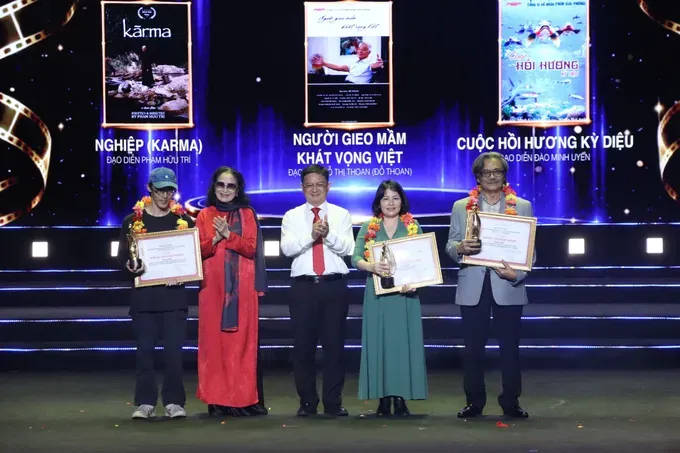
Regarding the awards, the top prizes were presented to “Nghiep” (Karma) directed by Pham Huu Tri in the fiction category, “Nguoi gieo mam khat vong Viet” (Sowing the Seeds of Vietnam’s Aspirations) directed by Do Thoan in the documentary category, and “Cuoc hoi huong ky dieu” (The Miraculous Homecoming) directed by Dao Minh Uyen in the animation category.
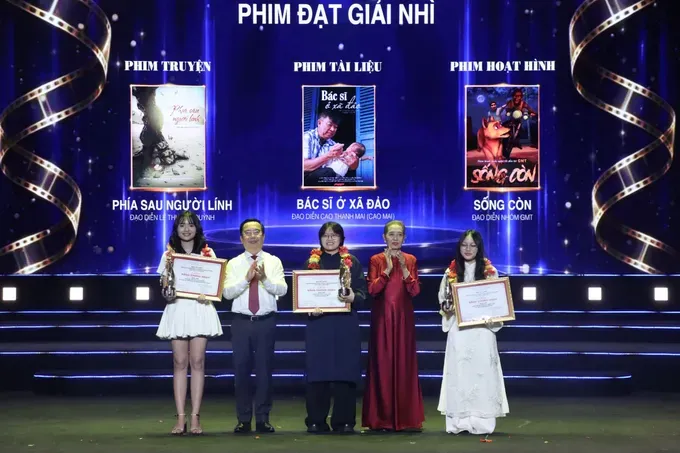
The three second prizes went respectively to “Phia sau nguoi linh” (Behind the Soldier) directed by Le Thi Diem Quynh in the fiction category, “Bac si o dao xa” (Doctor on the Island Commune) directed by Cao Mai in the documentary category, and “Song con” (Survival) produced by the GMT group in the animation category.
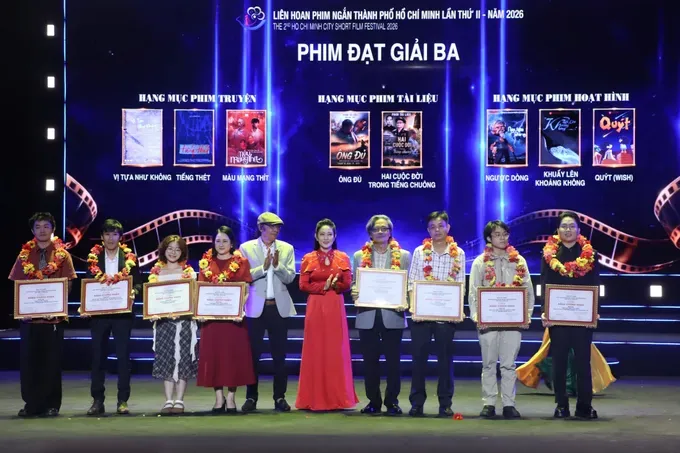
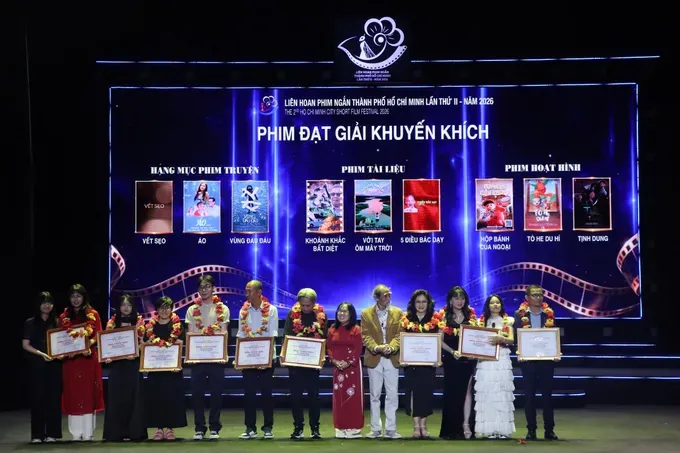
The Organizing Committee also awarded eight third prizes and nine consolation prizes.
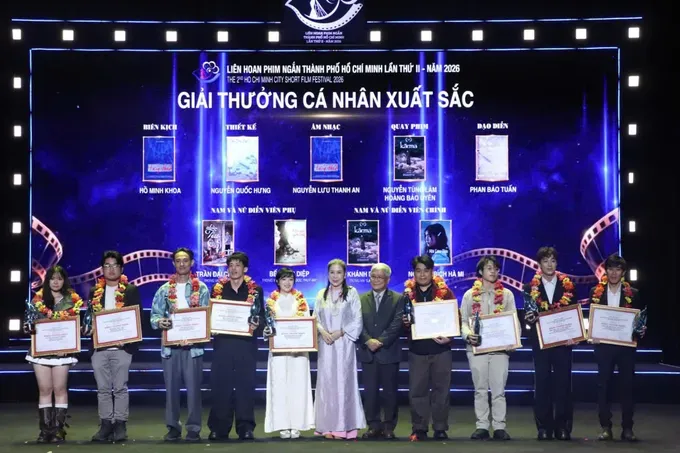
A total of nine individual awards were presented at this year’s festival. The Best Director award went to Phan Bao Tuan for “Vi Tua Nhu Khong” (As If Nothing Existed), while Ho Minh Khoa received the Best Screenwriter award for “Tieng Thet” (The Scream).
In the acting categories, Khanh Duy won Best Actor for his performance in “Nghiep” (Karma), while Nguyen Bich Ha Mi was named Best Actress for “Mui com chin” (The Scent of Cooked Rice). Meanwhile, Tran Dai Chinh earned the Best Supporting Actor award for Hello Teu, and Be Ngoc Diep received the Best Supporting Actress award for Behind the Soldier.
The individual award categories also included Best Cinematography, which was awarded to Nguyen Tung Lam and Hoang Bao Uyen for “Nghiep” (Karma); Best Production Design, presented to Nguyen Quoc Hung for “Lang lo troi” (Drifting Quietly); and Best Original Score, awarded to Nguyen Luu Thanh An for “Tieng thet” (The Scream).
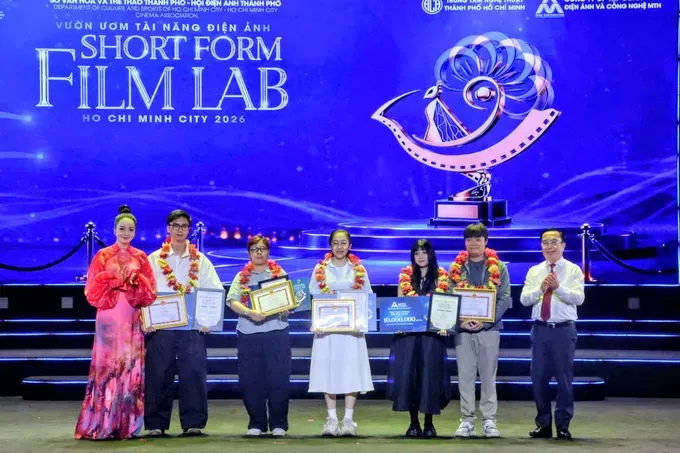
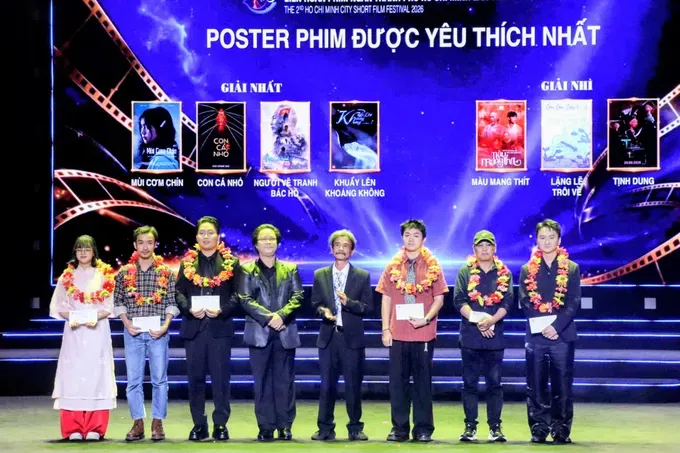
During the closing ceremony, the Ho Chi Minh City Department of Culture and Sports also presented certificates of merit to four projects recognized in the Short Form Film Lab HCMC 2026 talent incubation program. In addition, a total of seven awards were presented in the Most Popular Film Poster category, including four first prizes and three second prizes.