This figure not only reflects the strong post-Covid-19 recovery but also underscores Vietnam’s growing appeal on the regional and global tourism map.
Tourism market booms as visitors flock in
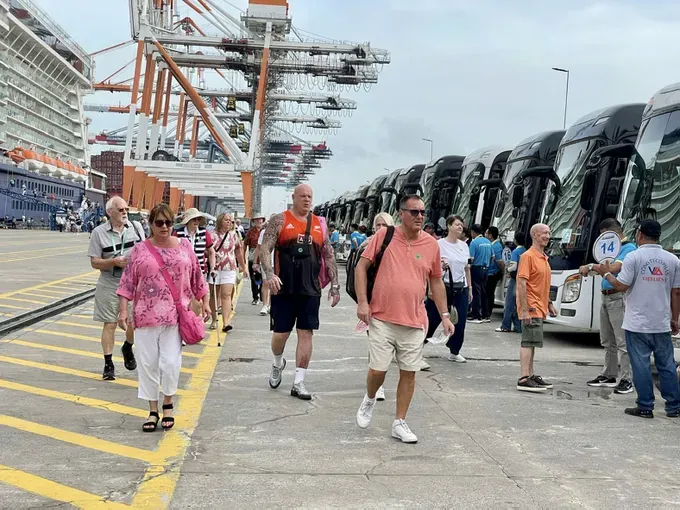
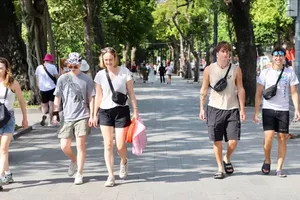
According to travel companies, Vietnam’s tourism sector is now attracting a wide range of visitors, from individual travelers and budget tourists to groups of young adventurers, families, long-stay vacationers, MICE (meetings, incentives, conferences, and exhibitions) participants, and mid- to high-end travelers. This diversity indicates that the market is not only expanding in volume but also becoming increasingly segmented.
Ms. Nguyen Thi Khanh, Vice President of the Vietnam Tourism Association, noted that the surge in international arrivals highlights the market’s strong appeal. Visitors are not only sightseeing but also seeking unique experiences and personalized services and are willing to spend more.
Recently, Phu Quoc was chosen as the venue for a multi-day wedding of a couple from India. The event mobilized a host of luxury resorts, high-end event management, catering, and transportation services. The cost of decoration and setup alone is estimated to have exceeded US$2 million, not including long-term accommodation, private jets, and personalized services for hundreds of guests.
Events like this demonstrate that Vietnam has the capacity to deliver high-end tourism products with significant spending power previously seen only in select destinations in the region, said Ms. Nguyen Thi Khanh.
Vietnam’s tourism sector is no longer facing a shortage of visitors; the challenge now lies in increasing the value per tourist. According to industry estimates, individual and short-stay travelers typically spend a few million Vietnamese dong per trip.
In contrast, mid- to high-end tourists can spend from tens to hundreds of millions of dong. Recently, thousands of international cruise and river cruise passengers have been arriving continuously at ports across the country. This segment is regarded as a “gold mine” for tourism, given their high spending on shopping, dining, and sightseeing.
According to Ms. Doan Thi Thanh Tra, Deputy General Director of Saigontourist Travel Services, the company has been continuously welcoming international visitors and overseas Vietnamese returning home for sightseeing and leisure. In the cruise segment, both arrivals and repeat visits have risen markedly.
In 2025, Saigontourist received and served approximately 75,000 visitors to Vietnam across a wide range of itineraries, spanning Ho Chi Minh City, the Mekong Delta provinces, central destinations such as Hue, Hoi An, and Da Nang, as well as Nha Trang and northern hubs including Ha Long–Quang Ninh, Hai Phong, and Hanoi.
The company’s current focus is on developing high-quality products, diversifying services, and enhancing the overall experience to encourage visitors to stay longer, she said.
A new phase of growth
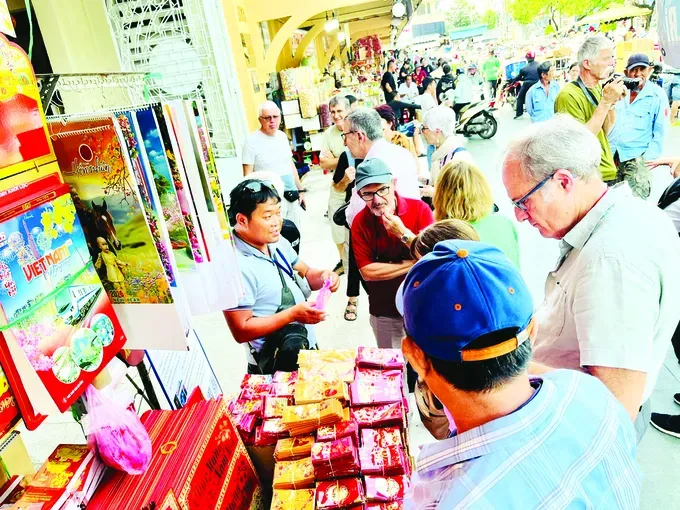
The shift in visitor segments has not occurred by chance. In recent years, Vietnam has steadily adjusted its policies toward a more open approach to tourism, including expanding visa exemption schemes, extending permitted lengths of stay, streamlining immigration procedures, and gradually improving the investment environment for tourism-related services.
Notably, the National Assembly’s recent approval of a policy to develop free trade zones is opening up new opportunities for the tourism industry, particularly in extending visitors’ spending chains. Phan Yen Ly, a tourism product design expert, noted that experiences from destinations such as Singapore and Dubai show that shopping tourism, entertainment, and high-end services are critical levers for increasing the value generated per visitor.
In practice, many destinations across Vietnam have already begun to reposition their tourism offerings. Phu Quoc is expanding into event tourism, destination weddings, and high-end resorts. Major cities are stepping up efforts in MICE tourism, as well as culinary and shopping tourism. Coastal and island tourism is being steered toward a more selective approach, emphasizing experience-based travel and sustainable development.
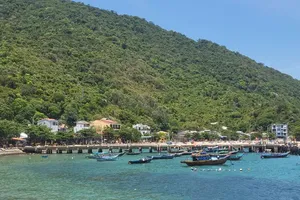
Con Dao Special Zone in Ho Chi Minh City is widely regarded as a flagship example of a controlled development strategy, built on ecological values and distinctiveness.
Feedback from visitors also points to a positive shift. Mark Johnson, an Australian tourist who spent 10 days traveling in Vietnam, shared his impressions of his first visit to Vietnam seven years ago. On this return trip, services are better, there are more new experiences, and getting around is much easier. He is willing to spend more on experiential tours and local cuisine.
Meanwhile, Ananya Sharma, an Indian guest attending a wedding in Phu Quoc, said that she was very impressed by the quality of the resorts, cuisine, and event services here. Phu Quoc is on par with other well-known destinations in the region.
Overall, the surge in international arrivals to Vietnam in 2025 presents a rare opportunity for the tourism industry. The key challenge now is to upgrade service quality and diversify tourism products so that visitors are willing to stay longer and contribute more to the economy.
In that context, each million-dollar event, every cruise ship arrival, and every selectively developed destination will no longer be isolated phenomena but integral links in a sustainable value chain for Vietnam’s tourism sector.
According to the Ho Chi Minh City Department of Tourism, the city is expected to welcome around 8.5 million international visitors and 45 million domestic travelers this year, generating an estimated total revenue of approximately VND260 trillion (US$9.9 billion), an increase of 36 percent compared to last year.