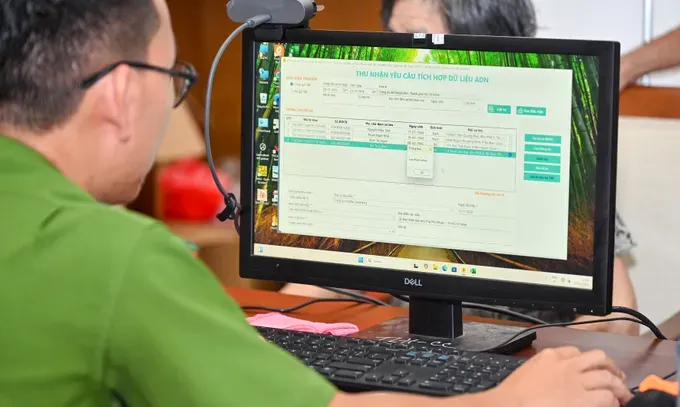
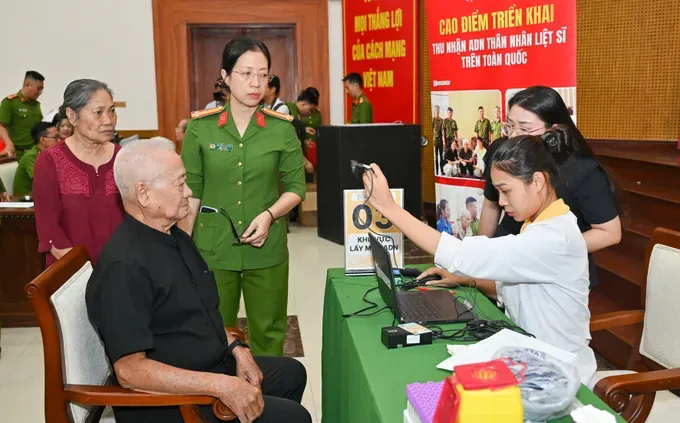
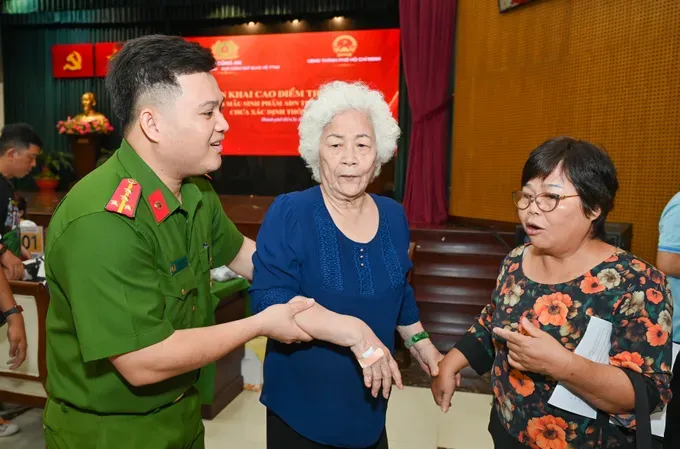
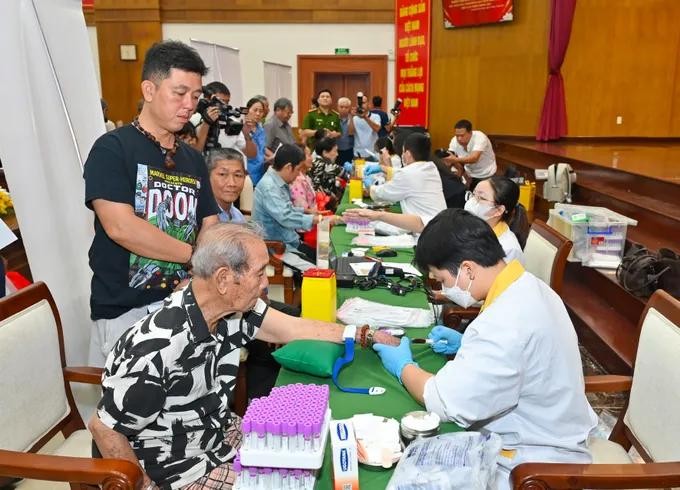
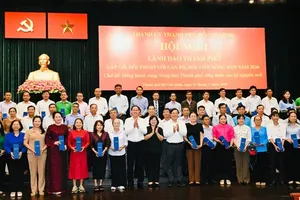
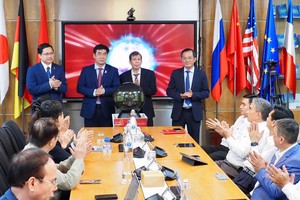
On November 12, at the People’s Committee of Phu Nhuan Ward, the Ho Chi Minh City People’s Committee and the Ho Chi Minh City Police held a ceremony to launch a peak drive for collecting biological samples from relatives of unidentified martyrs (Phase 2 of 2026) to serve DNA testing, matching, and identification efforts, aiming to soon bring heroic martyrs back to their families.
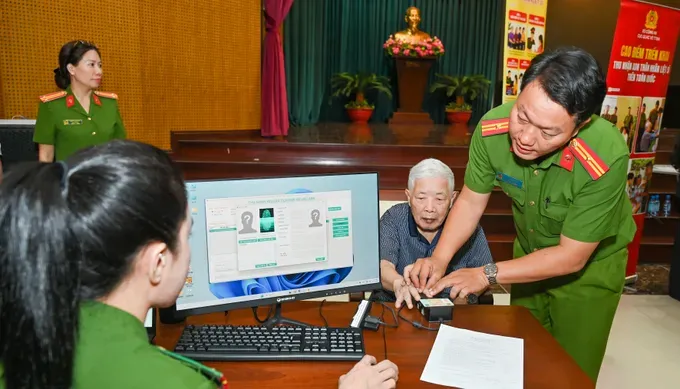
The program was connected online to 168 wards, communes, and special zone across Ho Chi Minh City, with the attendance of representatives from departments and agencies, the municipal Steering Committee for the Search, Collection, and Identification of Martyrs’ Remains (Municipal Steering Committee 515), and thousands of martyrs’ relatives.
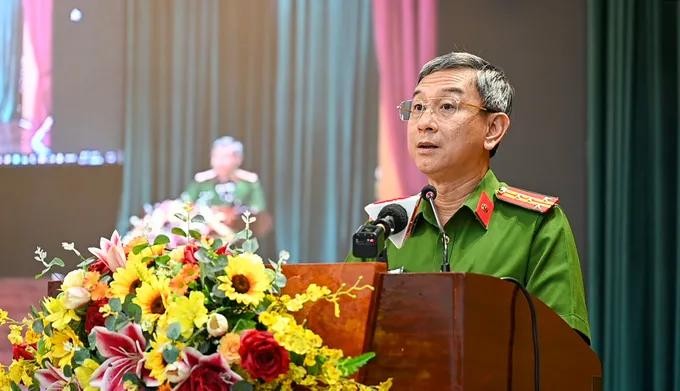
Speaking at the ceremony, Colonel Tran Hong Minh, Deputy Director of the Ho Chi Minh City Police, acknowledged and commended the efforts of the police forces across the 168 communes, wards, and special zone, alongside relevant departments and agencies, in reviewing and mobilizing more than 6,900 martyrs’ relatives to participate in biological sample collection. The Ho Chi Minh City Police leadership noted the heavy workload, tight implementation schedule, and numerous difficulties, as the majority of relatives are elderly, in poor health, or live far away.
Colonel Tran Hong Minh instructed all units to prioritize the convenience of martyrs’ families as their primary service goal, arrange reasonable traffic and queue flows so relatives do not have to wait long, and dispatch mobile teams directly to the homes of elderly individuals or those with mobility difficulties to collect samples. Every DNA sample collected today provides another opportunity for heroic martyrs to be called by their rightful names and returned to their families and homeland.
Under the plan, the Ho Chi Minh City Police will take the lead, in coordination with the Department of Home Affairs, local authorities, and relevant units, to collect DNA samples from 6,927 martyrs’ relatives in the city. The target is to collect samples from at least 70 percent of eligible relatives.
The collection drive takes place from November 12 to 17 at three locations including the People’s Committee of Thu Dau Mot Ward at No. 1, Quang Trung Street, the People’s Committee of Ba Ria Ward at Le Duan Street and the People’s Committee of Phu Nhuan Ward at No. 159, Nguyen Van Troi Street.
In addition, the Ho Chi Minh City Police have deployed three mobile task forces to conduct home visits for sample collection in difficult cases. Priority subjects are relatives with maternal blood ties to the martyrs, including biological mothers, maternal grandmothers, maternal half-siblings or full siblings, and other individuals with appropriate blood relationships. For female martyrs, biological children are also eligible for sample collection. A maximum of two relatives may be registered for each martyr.
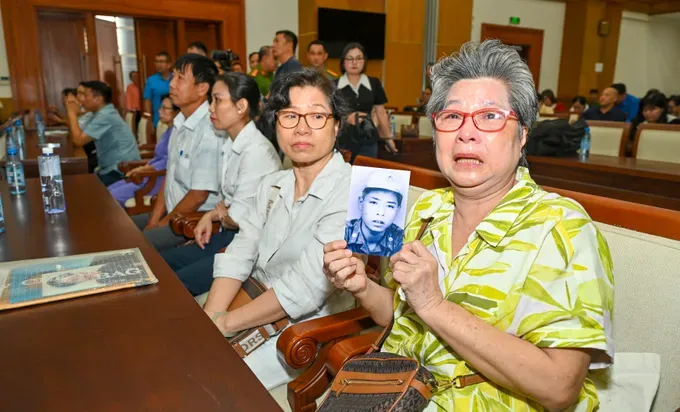
The DNA sample collection is carried out on a voluntary basis, adhering to professional procedures while ensuring safety and the confidentiality of personal information. Families can contact the police or people’s committees in communes, wards, or special zone where they reside for specific guidance.