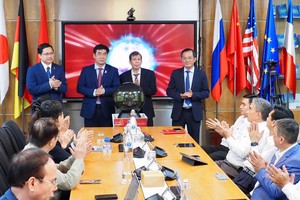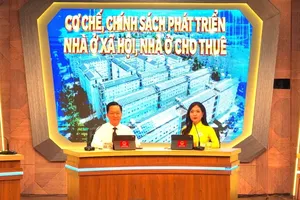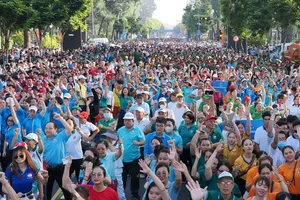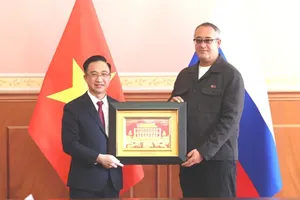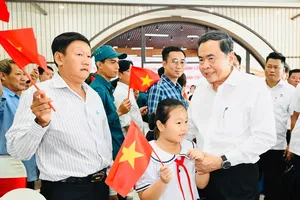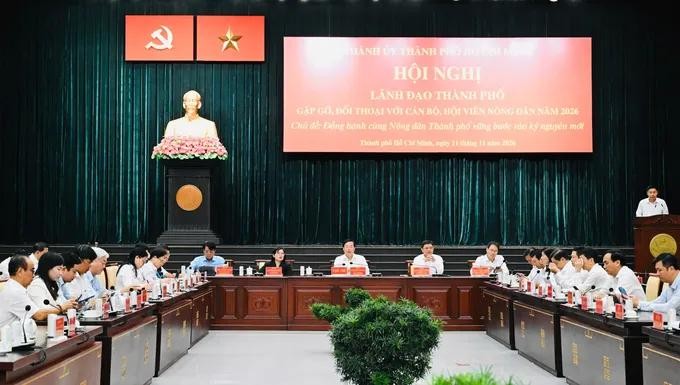
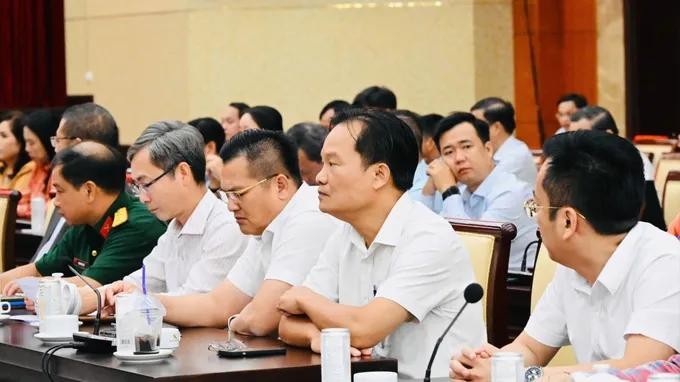
This gathering, under the theme “Accompanying HCMC Farmers Firmly Stepping into a New Era,” essentially served as a prime opportunity for HCMC leaders to actively listen to the innermost thoughts and aspirations of agricultural officials, farmer members, cooperatives, and agricultural enterprises. Simultaneously, they received critical feedback regarding difficulties, operational bottlenecks, petitions, and grassroots initiatives for rural agricultural development.
Through this open dialogue, the city management and various municipal departments practically grasped the ground-level realities. This enabled them to promptly direct efforts to untangle bottlenecks and effectively resolve the legitimate, lawful petitions put forth by the farmers.
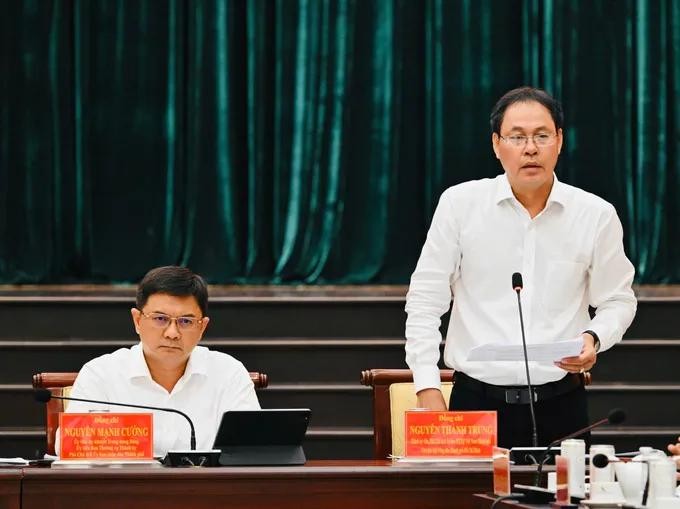
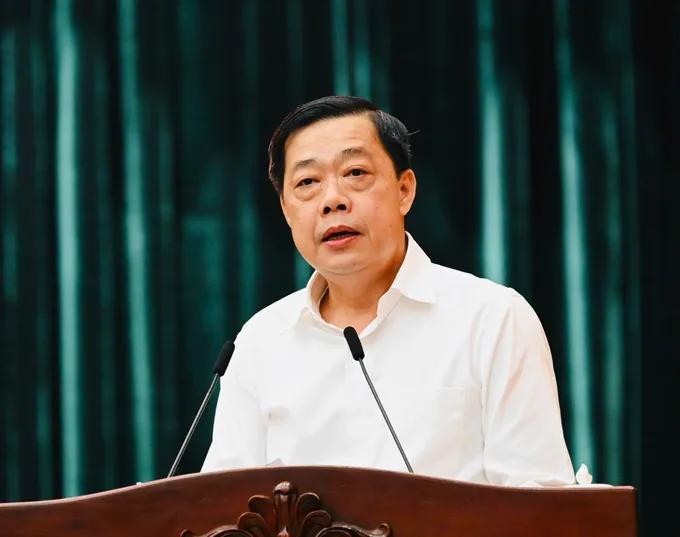
For Standing Vice Chairman Do Ngoc Huy of the HCMC Farmers’ Association, the agricultural sector's footprint might be small, but its impact is undeniably profound. “Although it strictly accounts for a minor proportion of the city’s overall economic structure, agriculture still unequivocally plays a paramount role in safeguarding the environment and radically elevating city dwellers’ quality of life,” he assessed during the discussion.
Agriculture helps forge a lush green belt, reliably supplies safe food, and generates stable livelihoods for rural residents, while simultaneously broadening golden opportunities for developing eco-tourism and a circular economy.
Consequently, cultivating urban agriculture toward a modernized, highly sustainable trajectory doesn’t just elevate raw production value, but it tangibly contributes to protecting the environment, upgrading living standards, and fiercely propelling HCMC’s sustainable development.
According to Vice Chairman Do Ngoc Huy, farmers who excel in production and business are fundamentally the vanguard forces driving profound innovation and actively proliferating highly efficacious methodologies.
Across HCMC, numerous farmers have boldly integrated sci-tech advancements straight into their production lines, utilizing high-tech greenhouses, economical irrigation systems, and smart sensors. They’ve smartly pushed for mechanization, cold storage preservation, deep processing, and commercial trading across various e-commerce platforms.
Furthermore, heavily leveraging renewable energy alongside utilizing and treating agricultural by-products inherently helps slash operational costs, curb harsh emissions, and drastically elevate total production efficacy. It’s plainly evident that digital and green transformations also contribute to bolstering competitive capacity, actively helping farmers adapt to volatile input price fluctuations and the market’s increasingly stringent demands.
Directly linking production with consumption remains another critically vital pathway aimed at boosting the tangible value of agricultural produce. Plenty of HCMC farmers have proactively joined collaborative groups and cooperatives to successfully forge centralized raw material zones, methodically apply standardized manufacturing protocols, and secure long-term linkages with processing and distribution enterprises.
Building planting area codes, developing collective brand labels, and pushing OCOP (One Commune One Product) items all definitely contribute to elevating the competitive prowess of agricultural goods. Ultimately, agricultural value is substantially uplifted thanks to uncompromising quality, stable supply chains, and rock-solid credibility with modern consumers.