Authorities have proposed dispatching mobile teams to collect samples directly from homes for individuals with mobility challenges, ensuring no opportunity to identify the remains of martyrs is missed.
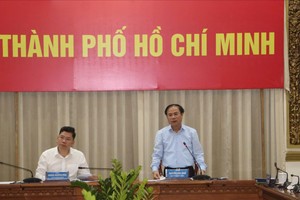
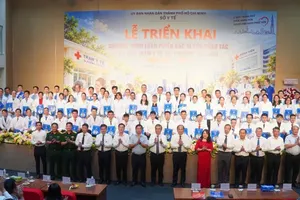
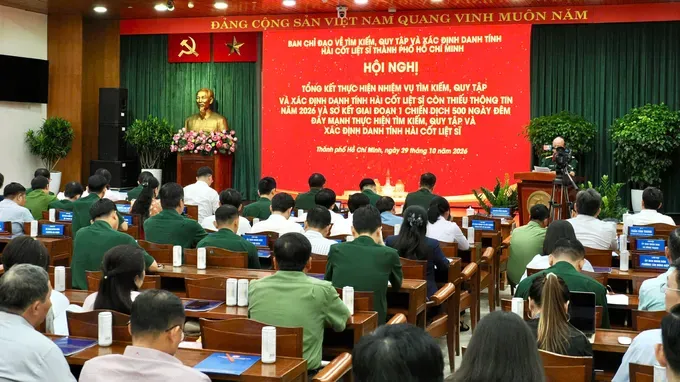
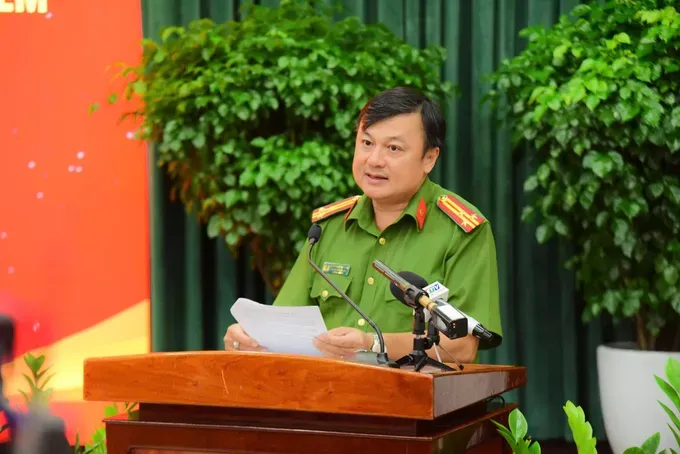
The announcement was made at a conference held on the afternoon of October 29 to review the 2026 search and repatriation operations for martyrs' remains and assess Phase 1 of the 500-day peak campaign to search, repatriate, and identify fallen soldiers. Speaking at the event, Senior Lieutenant Colonel Nguyen Ngoc Vu Vuong, Deputy Head of the Police Department for Administrative Management of Social Order under the Ho Chi Minh City Department of Public Security, stated that municipal police have proactively advised on and issued plans to review, update information, and collect DNA samples from relatives of unidentified martyrs across the city.
As of October 2026, the city has updated information on 43,210 martyrs in the National Population Database. Among these, 24,394 have been identified, while 18,816 grave locations remain unknown. A total of 7,396 relatives of fallen soldiers have agreed to provide DNA samples for forensic testing.
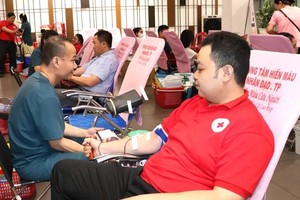
In the first phase, conducted from January 19 to 23, 2026, Ho Chi Minh City Police collected DNA samples from relatives of unidentified martyrs across three areas—the central city, Binh Duong, and Vung Tau—retrieving 1,843 biological samples.
Under the current plan, Phase 2 is scheduled for November 12 to 17, 2026, targeting 5,553 registered relatives.
However, several challenges persist during implementation. Administrative mergers have led to lost records and management files during handovers. Tracing relatives along maternal lines has faced hurdles due to lost contact across generations. Furthermore, the majority of martyrs' relatives are advanced in age, in frail health, or face severe mobility limitations.
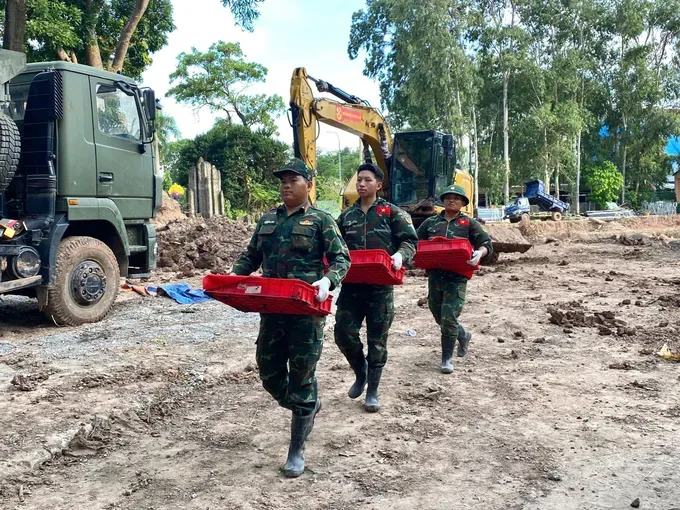
To address these issues, the Ho Chi Minh City Police are focusing on completing the review, data cleaning, and creation of an accurate and comprehensive database on martyrs and their kin. Officers are conducting door-to-door outreach to encourage eligible maternal relatives of unidentified martyrs to voluntarily register for DNA sampling.
Through our review, a small number of relatives have not yet agreed to register due to poor health and mobility difficulties. Ho Chi Minh City Police will continue encouragement efforts toward the goal of 100 percent of eligible maternal relatives registering for DNA testing. The unit has proposed establishing mobile teams to collect samples at home for those unable to travel, Senior Lieutenant Colonel Nguyen Ngoc Vu Vuong stated.
For the upcoming sampling drive in November, Ho Chi Minh City Police have instructed commune-level police forces to coordinate with local people's committees to re-verify all registered relatives. Relevant units are preparing necessary arrangements to ensure precise, absolute safety during sample collection without overlooking any eligible case.