Agricultural production costs rise by 3 percent–5 percent
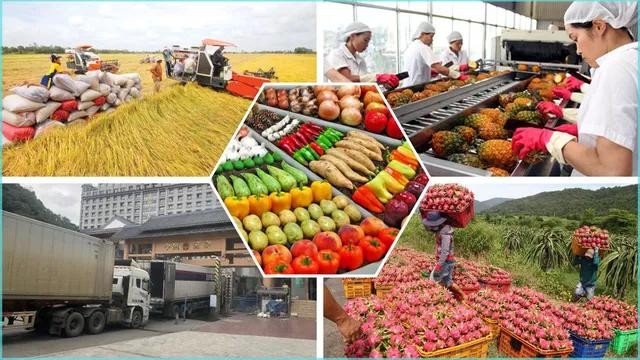
According to the Ministry’s assessment, the most immediate impact is the increase in input costs. Fluctuations in global oil prices have driven up transportation costs and agricultural input prices. Preliminary estimates suggest that agricultural production costs may rise by around 3–5 percent, putting pressure on agricultural product prices and the consumer price index (CPI).
In particular, prices of certain fertilizers in the global market have already increased and may continue to rise by 5 percent–15 percent for those that Vietnam still relies on imports. Animal feed prices are also trending upward by 1.5 percent–2 percent (equivalent to an increase of VND150–VND300 per kilogram) due to higher raw material and international transport costs. As for pesticides, there has not yet been a direct impact, but the Ministry warns of potential localized shortages if the conflict persists.
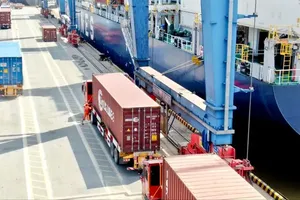
In terms of circulation, rising logistics costs have become a major challenge. According to industry associations and businesses, ocean freight rates have increased by 25–35 percent, while shipping times have been extended by approximately 7–14 days. This reduces the competitiveness of many export products, especially fresh goods.
According to Deputy Minister Dang Ngoc Diep, the direct impact on export turnover to the Middle East is not significant. In 2025, Vietnam’s agricultural, forestry, and fisheries exports to the region accounted for only about 2–2.2 percent of the sector’s total export value. However, some disruptions have occurred, such as certain seafood enterprises temporarily suspending exports to the Middle East due to transportation risks, particularly pangasius products. Meanwhile, many fruit export shipments passing through Ho Chi Minh City ports have been delayed due to changes in shipping schedules, increasing storage costs and the risk of quality deterioration.
Proposal to establish a national agricultural commodity exchange
Based on these developments, the Ministry has developed three response scenarios corresponding to conflict durations of approximately one month, three months, and one year. Each scenario forecasts different levels of export turnover decline, though specific figures have not yet been quantified, as the Ministry of Finance continues to assess the overall economic impact.
Alongside the challenges, this situation also presents an opportunity to restructure the sector, improve product quality, and expand export markets, including the potentially promising Halal market.
For immediate response measures, the Ministry proposes establishing a hotline to promptly receive and address business difficulties, as well as developing early warning mechanisms for logistics and international payment risks.
The Ministry also recommends support policies such as debt rescheduling, extension of repayment periods, and assistance with storage and preservation costs, especially for seafood and fruit and vegetable products. It further proposes reducing import tariffs to 0 percent for certain fertilizers and production inputs, as well as lowering short-term lending interest rates for enterprises exporting to the Middle East.
In the long term, the Ministry proposes building a national agricultural commodity exchange to enhance market connectivity. It also plans to implement strong administrative reforms, aiming to reduce at least 30 percent of procedures, processing time, and compliance costs for citizens and businesses.
Additionally, the Ministry recommends promoting a credit package of approximately VND150 trillion (US$5.69 billion) for the forestry and fisheries sectors, with interest rates 1 percent–2 percent lower per year than the general market level, to support businesses in maintaining production and exports amid current volatility.