As Ho Chi Minh City and the country pursue double-digit economic growth targets, infrastructure investment has been identified as a strategic breakthrough. However, public investment resources remain limited.
In 2026, Ho Chi Minh City is estimated to need approximately VND1.18 quadrillion (US$45 billion) in total investment capital for development projects. Of this amount, public investment accounts for only more than VND148 trillion (US$5.6 billion), with the majority expected to come from the private sector. In addition, public investment disbursement continues to face challenges.
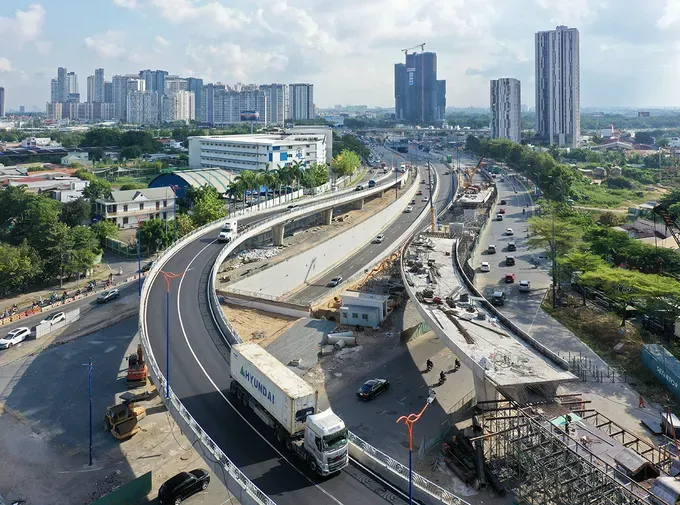
Against this backdrop, attracting private capital, especially through large-scale PPP projects, has become increasingly important. The Ho Chi Minh City People’s Council has approved resolutions to halt state budget investment in several projects and shift them to Build-Transfer (BT) models, including the Symphony, Music and Ballet Theater project, the Rach Chiec National Sports Complex and the Can Gio Bridge project.
The city has also announced a list of 250 projects seeking investment through 2030, many of which require substantial capital mobilization.
Nationwide, capital demand for PPP projects is enormous as the Government pushes ahead with strategic infrastructure initiatives such as the North-South high-speed railway, the completion of a 3,000-kilometer expressway network, metro systems in major cities, national digital transformation infrastructure, and projects related to energy, water supply and drainage and climate adaptation.
Expanding long-term capital channels
According to the Ministry of Finance, PPP projects currently rely mainly on a capital structure that includes state budget support, investor equity and bank credit financing.
The banking system’s dominant role in infrastructure financing is raising concerns over credit capacity, funding structure imbalances, and long-term lending risks. At the same time, the existing legal framework governing public bond offerings has not been fully suited to the characteristics of PPP project companies. Unlike ordinary businesses, PPP project firms are typically established for a single project and often spend their initial years focused on construction investment without generating stable revenue or profits. Many, therefore, lack sufficient operating history or financial results to meet current bond issuance requirements.
According to Mr. Phung Xuan Minh, Chairman of the Board of Directors of PT Group and Saigon Ratings, a separate legal framework for PPP bonds would help expand long-term financing options for enterprises and strengthen requirements for transparency and investor safeguards.
Economist Nguyen Tri Hieu said that the Government should further develop long-term capital channels such as the bond market, long-term investment funds, and non-bank financial institutions. He also emphasized the need to improve legal frameworks for long-term fundraising instruments such as infrastructure bonds.
Based on these realities, the Ministry of Finance believes that issuing a separate decree governing public bond offerings by PPP project companies is necessary to mobilize social resources for infrastructure investment.
Under the draft decree, conditions for public bond offerings largely inherit provisions from the Securities Law, including requirements on charter capital, the absence of overdue debts exceeding one year, and the condition that issuers must not be under criminal investigation or have criminal convictions.
In addition, the draft decree introduces specific requirements for PPP project companies, including legally signed PPP contracts, assurance of total borrowing levels, guarantees for bond repayment obligations, and credit ratings for either the bonds themselves or the organizations providing payment guarantees.
Credit ratings must be conducted by independent rating agencies unless the bonds are fully guaranteed for both principal and interest payments by credit institutions or foreign bank branches. These guarantor organizations must also possess credit ratings.
To ensure full repayment of bond principal and interest upon maturity, the draft decree stipulates that issuers may not distribute profits or dividends to owners, capital contributors, or shareholders before fully meeting their bond repayment obligations.