According to leaders of the Vietnam Maritime and Waterways Administration, if oil tankers encounter congestion or disruptions in the Middle East region, the supply of crude oil for Nghi Son Oil Refinery Plant will be directly affected. Under normal conditions, the refinery maintains crude oil reserves sufficient for approximately 40–50 days of operation.
During that period, refineries would need to consider alternative import sources from the United States, Africa, or Russia. However, these alternatives may involve higher prices, potential supply constraints, and significantly longer shipping distances, leading to increased transportation costs.
If the conflict persists, the Vietnam Maritime and Waterways Administration will coordinate with relevant authorities and shipping companies to explore alternative shipping routes in order to ensure stable energy supplies for domestic refineries.
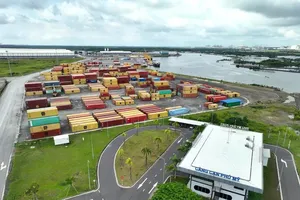
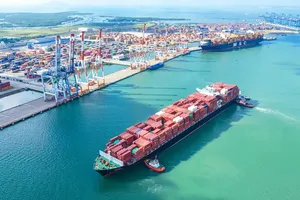
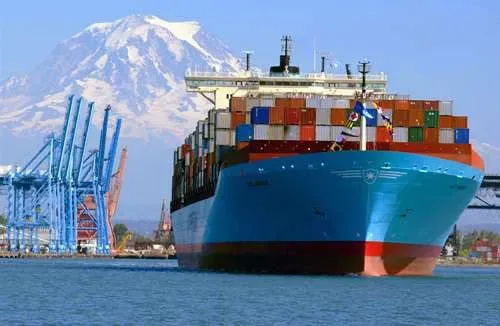
Regarding the impact on container shipping, leaders of the administration noted that many container vessels are currently affected as they are unable to call at or depart from ports in the Persian Gulf. Several major shipping lines have temporarily suspended cargo bookings to and from the region, resulting in congestion at transshipment ports and localized shortages of empty containers.
To maintain the continuity of global supply chains, some shipping companies may reroute vessels via the Cape of Good Hope. However, such diversions are expected to extend transit times by approximately 10–14 days per voyage. The longer sailing distances would lead to higher fuel consumption and operational costs, potentially pushing container freight rates up by 15–30 percent, depending on specific routes.
Regarding the safety of vessels and seafarers, the Vietnam Maritime and Waterways Administration confirmed that there are currently eight Vietnamese tankers with around 160 Vietnamese seafarers operating in the Middle East region. Due to the disruption of GPS and AIS signals in the area, vessel positioning has become significantly inaccurate.
So far, Vietnamese vessels have not been directly affected by military operations. However, they remain stranded in the region as certain shipping routes have been temporarily closed.
The administration has issued guidance and recommendations to relevant agencies, organizations, and individuals to implement measures aimed at ensuring the safety and security of Vietnamese ships and seafarers. At the same time, it has instructed the Vietnam Maritime Search and Rescue Coordination Center to maintain communication channels with ship owners and crewing agencies in order to provide regular updates and ensure timely response measures when necessary.