The line will directly connect Tan Son Nhat International Airport and Long Thanh International Airport. Once completed, travel time between the two airports by metro is expected to reduce to approximately 30 minutes.
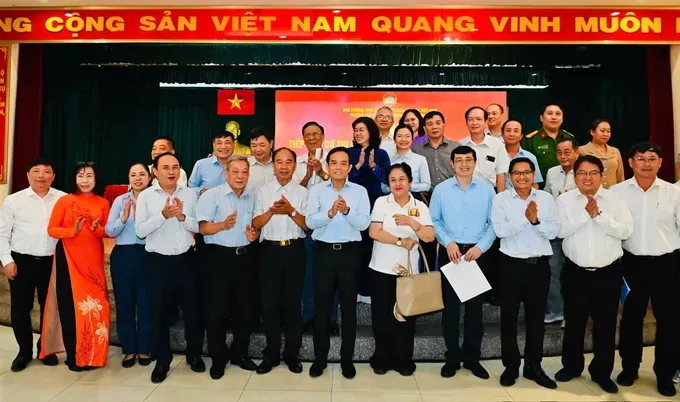
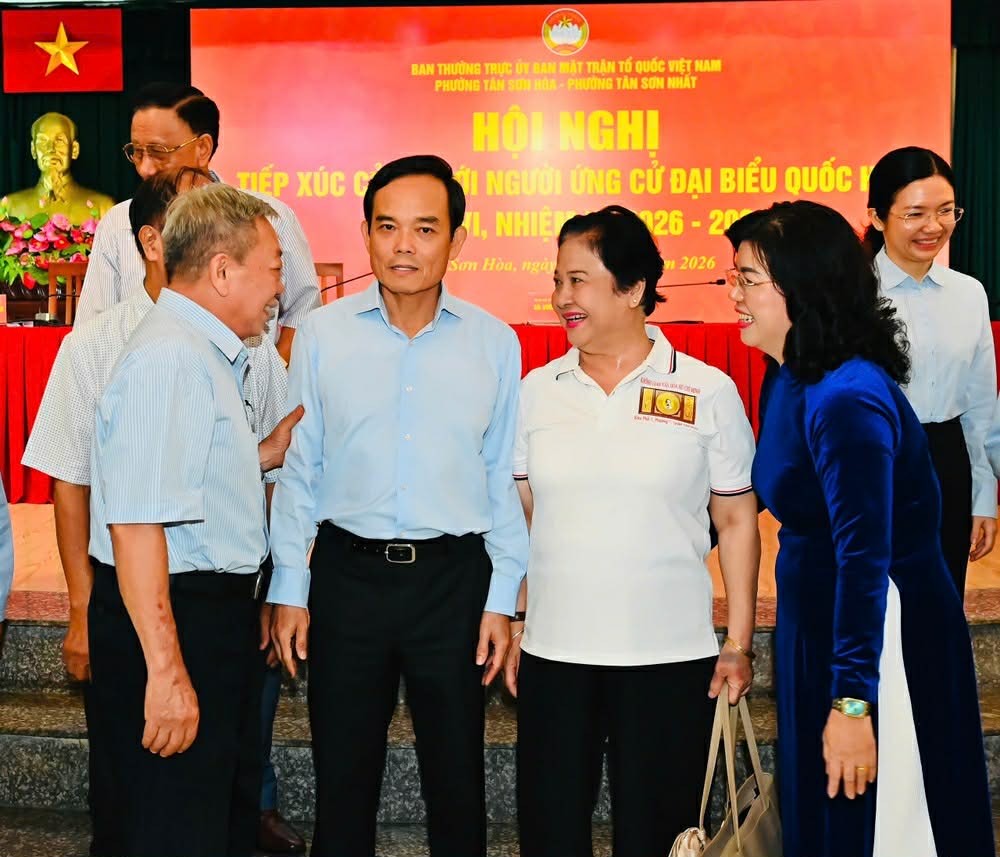
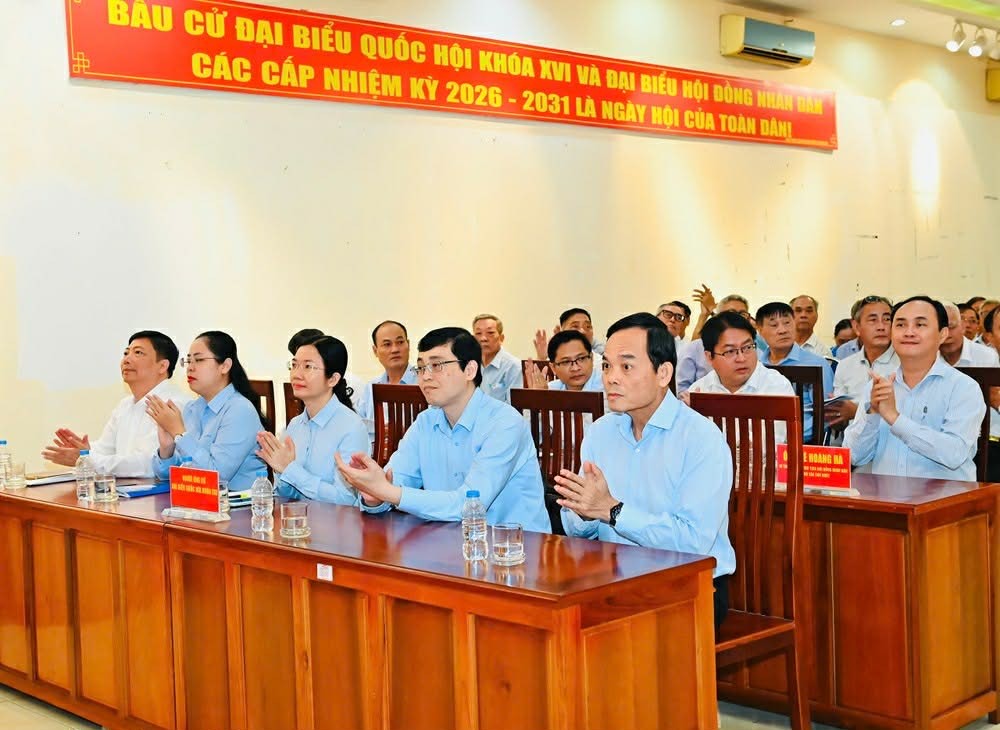
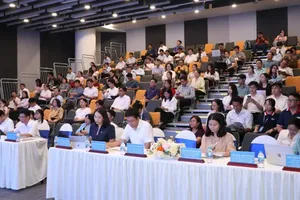
On March 10, the Standing Committee of the Vietnam Fatherland Front Committees of Tan Son Nhat and Tan Son Hoa wards in Ho Chi Minh City organized a voter meeting with candidates for deputies to the 16th National Assembly at Electoral Unit 6.
Electoral Unit 6 includes candidates Do Duc Hien, a National Assembly deputy serving at the National Assembly’s Committee for Legal and Judicial Affairs; Vuong Thanh Lieu, Chairwoman of the People’s Committee of Binh Tien Ward; Tran Luu Quang, Member of the Politburo and Secretary of the Ho Chi Minh City Party Committee; Trinh Thi Huyen Tran, Deputy Secretary of the Ho Chi Minh City Youth Union and Chairwoman of the Council of the Ho Chi Minh Young Pioneer Organization of Ho Chi Minh City; and Nguyen Vu Trung, Director of the Pasteur Institute in Ho Chi Minh City.
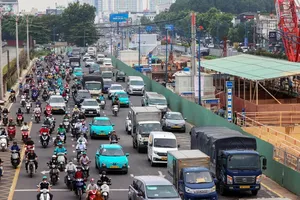
Transport connectivity around the airport remains limited
 "Secretary of the Ho Chi Minh City Party Committee Tran Luu Quang (C) and other National Assembly candidates listen to voters’ opinions. (Photo: SGGP)")
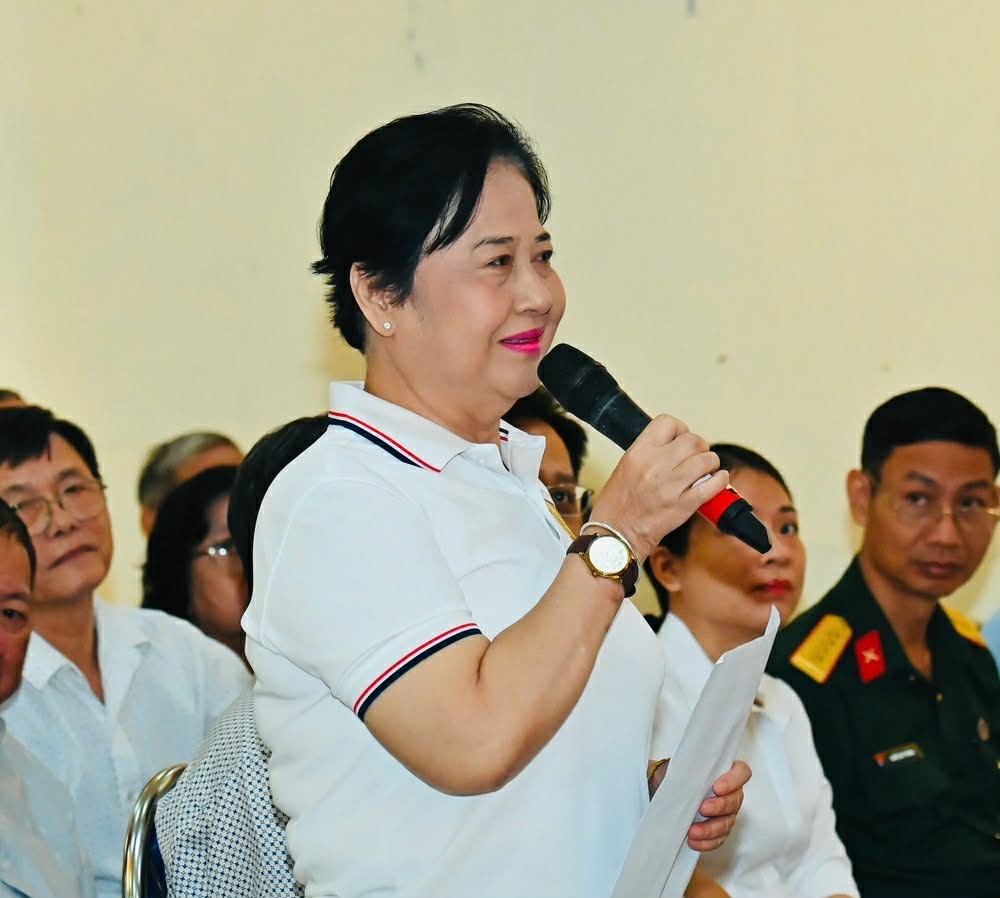
At the meeting, voters recommended that the city continue to accelerate the implementation of transport infrastructure projects in the gateway areas surrounding Tan Son Nhat International Airport. They also proposed that the municipal authorities study more effective and scientific traffic organization solutions, while further developing the public transportation system and transit hubs in order to reduce pressure from private vehicles.
In particular, voters urged the city to soon study effective connectivity between metro lines and Tan Son Nhat International Airport, combined with an appropriate transit system. According to voters, effectively addressing the connection between the metro network and the airport would create a significant breakthrough in easing traffic congestion while enhancing the image of Ho Chi Minh City as a modern and dynamic metropolis.
In addition, voters proposed that authorities plan and invest in centralized parking facilities and underground parking areas in the vicinity of the airport to curb the widespread situation of indiscriminate parking and vehicle stoppages.
Accelerating the construction of metro lines
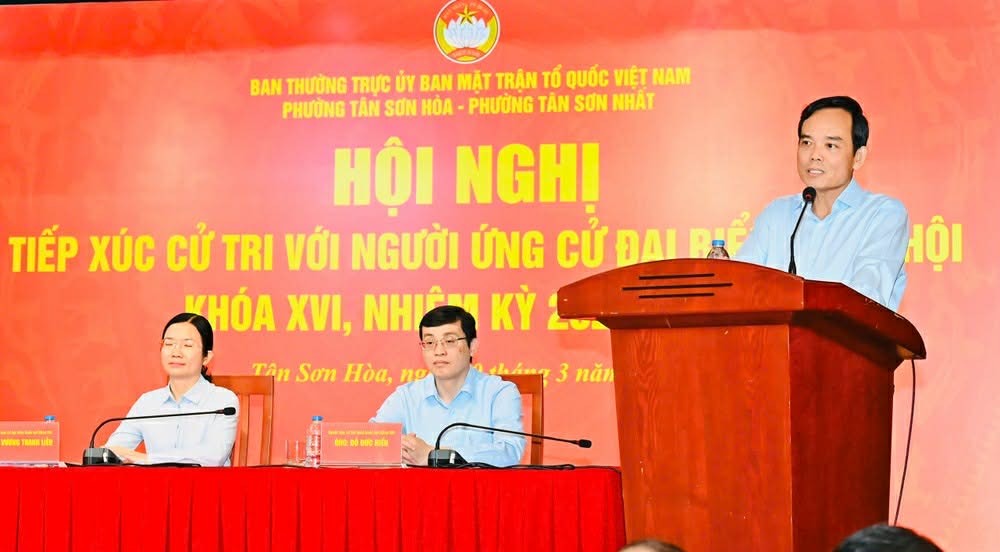
On behalf of the candidates, Secretary of the Ho Chi Minh City Party Committee Tran Luu Quang acknowledged a number of practical issues raised by voters concerning transport infrastructure, the living environment, and the responsibility of National Assembly deputies to voters and the people.
The city’s Party Chief said that Ho Chi Minh City is currently developing a comprehensive master plan for the city’s development with the participation of both domestic and international consulting units, with consultancy costs estimated at over US$10 million. The city will carry out this work seriously and responsibly, and by the end of this year, there must be a concrete outcome, he affirmed.
In particular, following the direction of General Secretary To Lam, the city is required to study effective connectivity between Tan Son Nhat International Airport and Long Thanh International Airport.
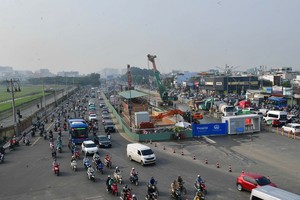
Accordingly, Ho Chi Minh City is accelerating the development of its urban railway network, including Ho Chi Minh City Metro Line 2 (Ben Thanh – Than Luong) and Metro Line 6, which will directly connect the two airports. Once these lines are completed, passengers will be able to travel by metro from the city center to the airport, while travel time between the two airports will be reduced to approximately 30 minutes.
In addition, Ho Chi Minh City will review and reorganize the transport and logistics system in areas surrounding Tan Son Nhat International Airport to enhance connectivity and improve overall operational efficiency.
Regarding transport links to Long Thanh International Airport, Ho Chi Minh City has identified three main corridors. Among them, Metro Line 2 officially broke ground on January 15, 2026, and is expected to be completed during the 2026–2030 period.
Meanwhile, the metro routes, including Ben Thanh–Thu Thiem and Thu Thiem–Long Thanh, are currently completing procedural requirements for implementation under the public–private partnership (PPP) model, with the goal of commencing construction in 2026 and completing the projects by 2030.
For Metro Line 6, which runs from Tan Son Nhat International Airport to Phu Huu, the city will prioritize investment in Phase 1 during the 2026–2030 period to facilitate connectivity with Long Thanh International Airport.
Secretary of the Ho Chi Minh City Party Committee Tran Luu Quang also noted that the city is reviewing plans to develop underground parking facilities, including in areas surrounding Tan Son Nhat International Airport.
Regarding the goal of building a drug-free Ho Chi Minh City, Mr. Tran Luu Quang stated that this is one of the key political tasks set by the city for the current term. The municipal authorities will implement a range of synchronized measures, from prevention and public awareness campaigns to the reorganization of rehabilitation facilities and improvements in the effectiveness of post-rehabilitation management.
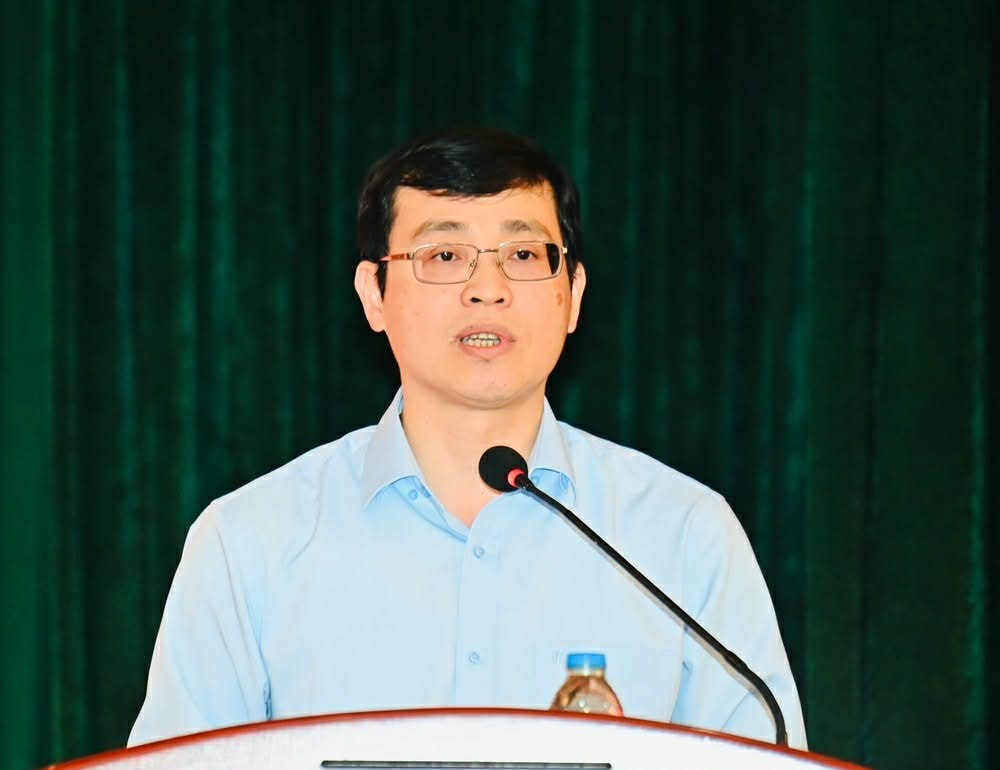
Regarding environmental issues, Secretary of the Ho Chi Minh City Party Committee Tran Luu Quang said the city is implementing a range of measures to reduce air pollution and improve residents’ quality of life. These include gradually relocating polluting production facilities out of the inner city, dredging and rehabilitating the canal system, and studying a roadmap to reduce vehicles using gasoline and diesel fuels.
With regard to waste management, Ho Chi Minh City currently handles around 15,000 tons of waste each day. The city is gradually shifting from landfill disposal to waste-to-energy incineration technology, while also developing modern transfer stations to reduce environmental pollution and alleviate traffic pressure.
The city is also working step by step to improve the waste collection system and provide support for community-based waste collectors in order to ensure stable environmental sanitation services.
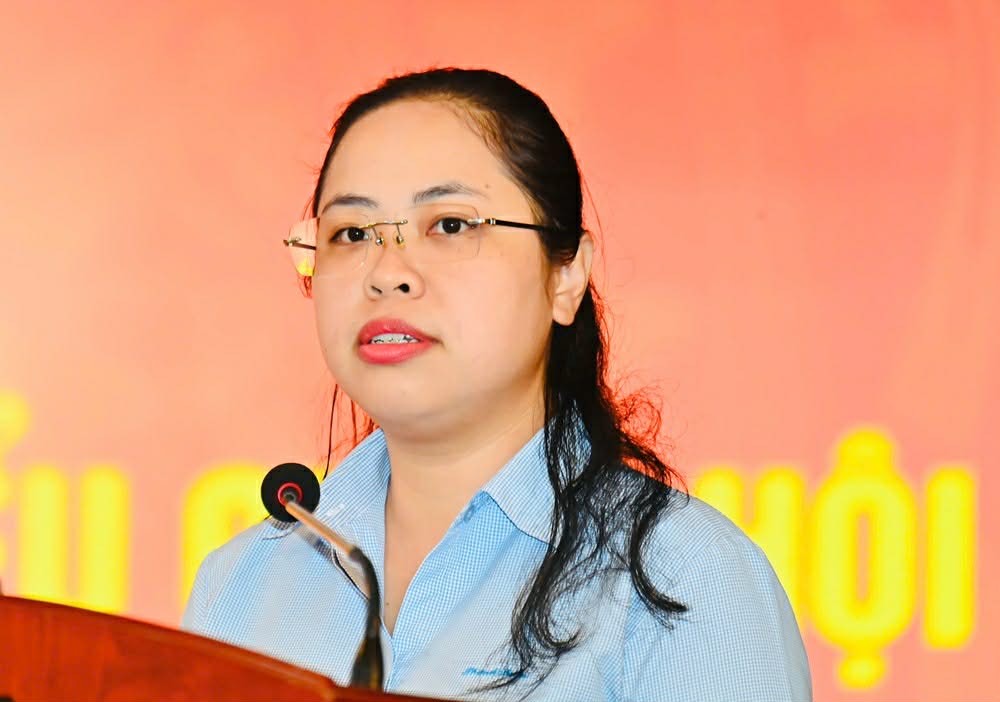
The Secretary of the Ho Chi Minh City Party Committee emphasized that candidates must take responsibility for listening to, acknowledging, and striving to fulfill the commitments and pledges they have made to voters and the people. In addition, voters are encouraged to accompany the authorities by providing full and accurate information so that competent agencies can effectively address grassroots petitions and concerns.
He also expressed sincere appreciation for the constructive and dedicated opinions put forward by voters and expressed his hope that residents will continue to show strong interest and active participation in the city’s development, contributing to the goal of building Ho Chi Minh City into a rapidly developing and sustainable metropolis. He further called on citizens to take responsibility for their “orders,” providing deputies and city leaders with valuable and accurate information to support effective governance.
)