Ho Chi Minh City’s tourism sector is entering a phase of sustained growth, with visitor numbers climbing year after year. To enrich the experience and draw more international travelers, the city is rolling out a wave of new tourism products. On this topic, Sai Gon Giai Phong spoke with Pham Huy Binh, Director of the Ho Chi Minh City Department of Tourism.
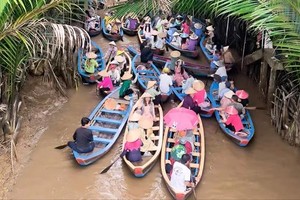
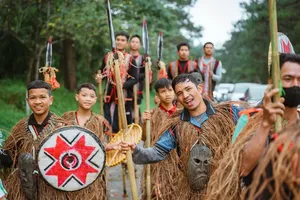
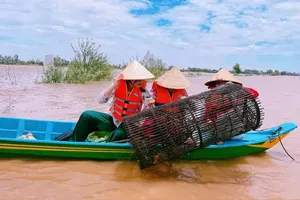
The Ho Chi Minh City tourism industry is shifting its focus from simple sightseeing tours to a unique, regionally connected, and destination-specific experiential ecosystem. River tourism is identified as a distinctive experiential axis, said Director Pham Huy Binh. One of the new routes being explored is a canoe trip from Tan Cang pier to Cu Chi. Along the route, tourists can visit Trung An fruit village, watch the Hao khi Song Giang (Giang River Heroic Spirit) martial arts performance, and cycle through agricultural cultural spaces.
Furthermore, he mentioned that the route also links a 30-year-old dairy farm, the Tuong Binh Hiep - Dinh Hoa lacquerware village, and the Dan Xay eco-tourism area, thereby establishing a diverse array of river and craft village experiences.
At the same time, helicopter tours are being developed as a signature offering of premium experiential tourism, aimed at affluent travelers, business professionals, and MICE (Meetings, Incentives, Conferences, and Exhibitions) attendees.
This not only provides a fresh viewpoint of the city but also generates a significant media presence, aiding in the dissemination of Ho Chi Minh City's image through international marketing channels. These strategies will effectively harness the city's abundant potential while broadening its horizons and creating new opportunities for tourism development.
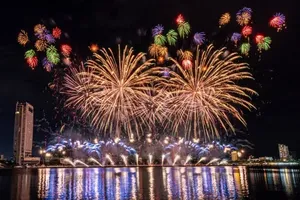
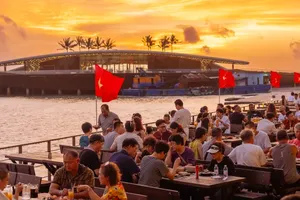
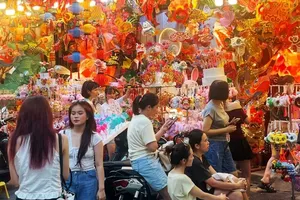
The city is aiming to become the "night tourism capital" of Southeast Asia. To enhance the visitor experience, according to Director Pham Huy Binh, Ho Chi Minh City is shaping its night tourism space based on three pillars including cuisine, entertainment, and performing arts. Food streets, themed night markets, outdoor performance spaces, water shows, and light shows are the initial steps. Along the Saigon River, river cruises, restaurant yachts, and nighttime river buses are attracting many tourists.
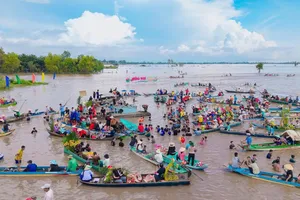
Plus, Mr. Binh emphasized that the potential for river tourism, particularly night tourism, is significant. Over the past 10 days, the Ho Chi Minh City River Festival drew in around 4.5 million attendees and generated more than VND4,200 billion in revenue from tourism and service activities.
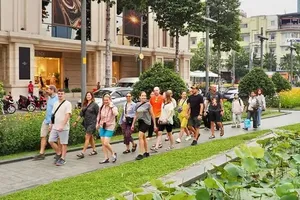
In early March, the city maintained its lively atmosphere with the 12th Ho Chi Minh City Ao Dai Festival. This event was crafted as a multi-faceted night experience featuring artistic Ao Dai performances, heritage walking tours, light displays, an outdoor stage, and stations for food and cultural experiences. The objective was to prolong visitor stays, enhance average spending, and establish Ho Chi Minh City as a distinctive festival and event hub in the region.
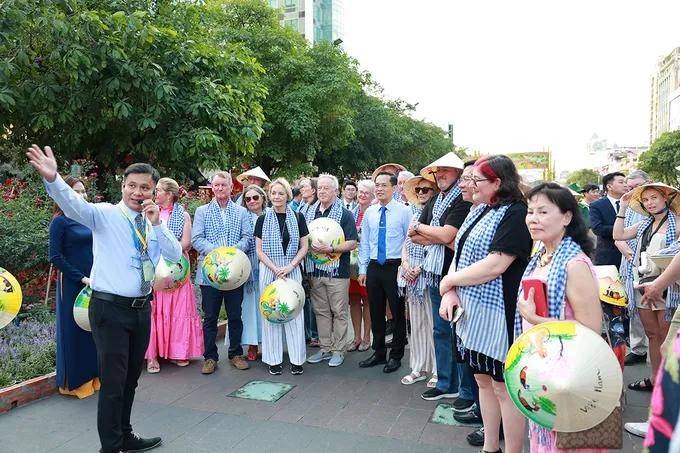
The Director of the Ho Chi Minh City Department of Tourism said the current tourism race is not about replicating models from other destinations, but about fully leveraging each locality’s unique strengths. For Ho Chi Minh City, the strategy is centered on three key priorities.
First, the city plans to restructure its tourism products along an inner city–suburban–interregional axis. The inner city will remain the hub for city tours, MICE activities (meetings, incentives, conferences and exhibitions), river-based tourism, and nighttime entertainment. Surrounding suburban areas will be linked to eco-destinations, craft villages, and agricultural tourism sites. Beyond the city, longer itineraries will connect travelers to resort destinations, including coastal and island locations such as Con Dao. By designing these routes as themed experiential chains, the city aims to offer visitors a seamless journey that moves through multiple layers of space and experience.
Second, he emphasized raising the quality standards of services. Ho Chi Minh City currently has over 7,200 tourism businesses, nearly 9,540 tour guides, and approximately 808 resources that can be developed into destinations. The key is to standardize the experience, from accommodation and food services to infrastructure and service skills, in order to create a consistent and memorable experience.
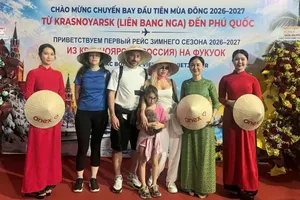
Third, he mentioned strengthening international promotion. In 2026, Ho Chi Minh City will organize many major promotional activities such as the Ao Dai Festival, the Ho Chi Minh City International Tourism Fair, a press trip (FAM trip )- a sponsored, organized, and often complimentary journey where journalists, bloggers, or content creators are invited by tourism boards, hotels, or companies to experience a destination or product first-hand.
The city will also participate in international tourism events, such as: the ASEAN Tourism Forum, the TRAVEX trade fair, and simultaneously implement promotional programs in Spain, the United Arab Emirates and Türkiye.
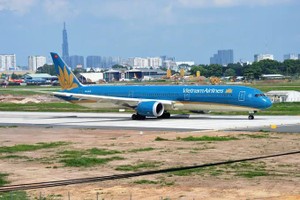
This year, Ho Chi Minh City aims to welcome between 10.5 and 11 million international visitors, generating an estimated revenue of around VND330 trillion. Yet, Director Pham Huy Binh of the Ho Chi Minh City Department of Tourism stresses that the goal is not merely growth in numbers, but to position the city as a destination offering distinctive experiences and rich cultural depth.
)