Nearly 1,000 delegates and voters gathered on the morning of November 25 for a thematic dialogue addressing pressing challenges in Ho Chi Minh City’s healthcare sector.
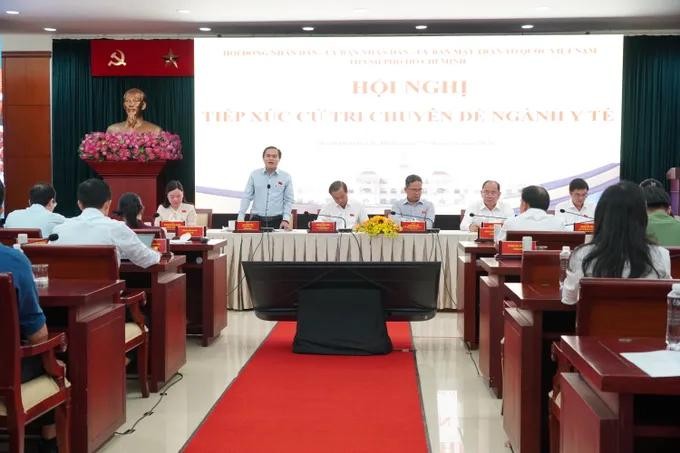
Organized jointly by the Standing Committees of the municipal People’s Council and the Vietnam Fatherland Front Committee, the forum was anchored at the 272 Conference Center in Xuan Hoa Ward and connected online to satellite locations in Ba Ria and Thu Dau Mot.
During the session, Dr. Huynh Ngoc Hon, Director of Trung Vuong Hospital, highlighted how primary care bottlenecks are straining major medical facilities. He reported that patients seeking care for chronic conditions accounted for roughly 45 percent of the hospital's nearly 800,000 outpatient visits over the past year.
While these routine cases could be effectively managed at local ward and commune health stations, Dr. Hon noted that severe staffing shortages currently limit the capacity of grassroots healthcare facilities. To alleviate overcrowding at upper-tier hospitals and improve patient access, he urged authorities to mandate minimum staffing levels for local health stations and streamline regulations governing their approved medication lists.
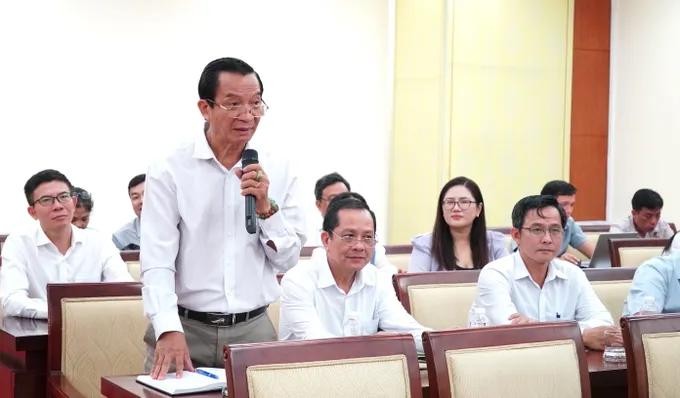
Dr. Pham Nguyen Anh Vu, Deputy Director of Binh Chanh General Hospital, noted that the implementation of electronic medical records has encountered difficulties regarding patient digital signatures. He explained that although Ministry of Health circulars allow for methods such as biometric or electronic digital signatures, all providers of electronic digital signature services charge a fee. Hospitals, however, are unable to collect this fee from patients, which complicates the implementation process.
Dr. Nguyen Ngoc Thuy Duong, Deputy Director of the Ho Chi Minh City Center for Disease Control (HCDC), called for a review of professional incentive allowances, pointing to a sharp disparity between the 70 percent rate granted to clinical specialists and the 30 percent allocated to administrative and support staff. She also urged authorities to subsidize post-exposure rabies prophylaxis for vulnerable populations and secure dedicated funding for non-communicable disease screening programs.
Beyond institutional leadership, participating voters pressed for comprehensive structural and financial reforms to bolster grassroots healthcare. They proposed adjusting service fees to accurately reflect full operational costs and resolving regulatory bottlenecks surrounding authorized medical procedures and health insurance reimbursements, particularly when physicians from big hospitals treat patients at local health stations. Voters also advocated for expanded budgets to support supplemental staff compensation, recruitment, and upgraded medical equipment at primary care facilities.
Addressing these concerns, a representative from the Ho Chi Minh City Department of Health stated that the city has passed a resolution allocating nearly VND6.2 trillion for 86 projects to construct new health stations, along with VND1.13 trillion (US$43.66 million) for 162 projects focused on procuring medical equipment and renovating existing stations. Regarding the supply of medicines, the health sector is implementing centralized procurement and has tasked big hospitals with assisting local health stations in their purchasing processes.
To address persistent challenges in professional staffing, authorized medical procedures, and health insurance reimbursements, the municipal Department of Health plans to launch an initiative connecting major hospitals with 168 local health stations. Scheduled to take effect on October 1, 2026, the program will pair each grassroots facility with a designated general hospital for direct operational and clinical support.
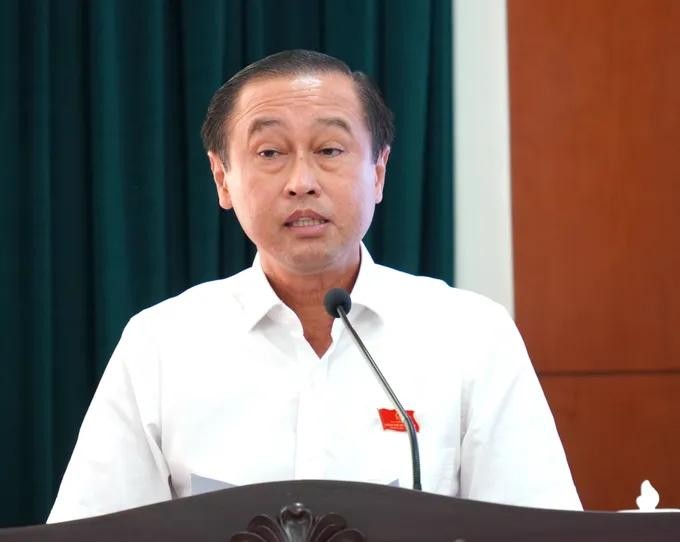
Concerning electronic medical records, the Department of Health leadership clarified that patients are not yet required to provide an electronic signature; hospitals may utilize verification methods that align with current procedures and regulations. The health sector is also finalizing a shared data repository to improve interoperability and minimize redundant data entry.
In his closing remarks, Vice Chairman Huynh Thanh Nhan of the Ho Chi Minh City People's Council asked the Standing Committee of the Vietnam Fatherland Front Committee of Ho Chi Minh City to consolidate all voter feedback and submit it to the City People's Committee and relevant departments and agencies for written responses. Matters within the central government’s jurisdiction will be compiled by the city for subsequent submission and recommendation.
Ho Chi Minh City People’s Council Vice Chair Huynh Thanh Nhan urged the municipal People’s Committee to direct relevant departments and agencies to develop policies to attract and retain nurses, midwives, and medical technicians in addition to providing income support for staff at all 168 health stations and establishing special arrangements for healthcare personnel at social protection facilities. He also called for continued refinement of regulations on job positions and economic-technical norms for grassroots healthcare, as well as a review and reorganization of facilities following administrative mergers to ensure health stations have the conditions they need to operate.
















)




