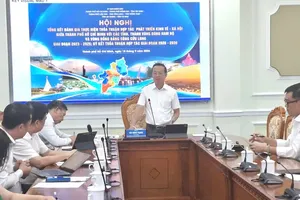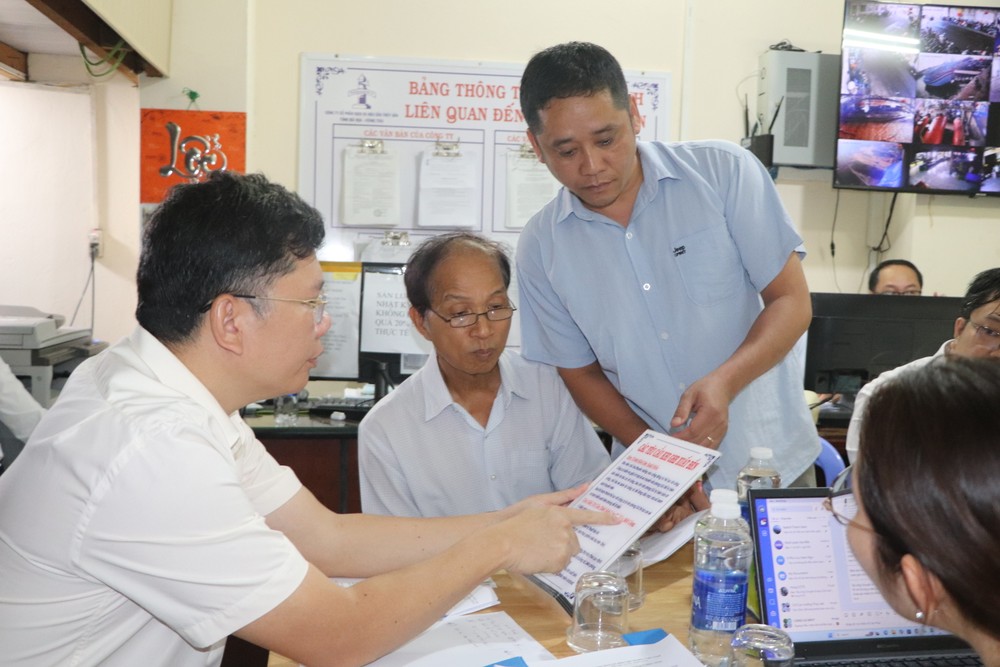
Mr. Hoang Nguyen Dinh, Vice Chairman of the Ho Chi Minh City People's Committee and Head of the city’s Steering Committee Against Illegal, Unreported, and Unregulated (IUU) Fishing, conducted an inspection of anti-IUU enforcement at Incomap Port and Cat Lo Fishing Port on March 5.
The visit aimed to assess the implementation of fisheries management regulations while strengthening control over fishing vessels entering and leaving ports and improving the traceability of harvested seafood.
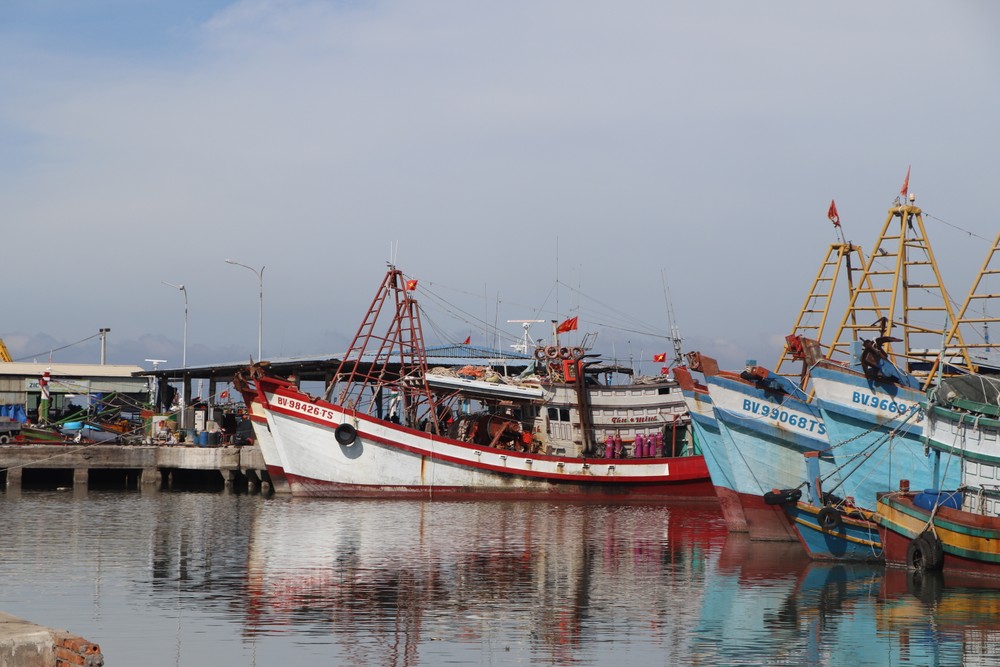
According to a representative of Incomap Port, the facility handles more than 20,000 tons of seafood each year, primarily high-value pelagic fish destined for export-oriented processing. Most vessels docking at the port operate purse-seine, gillnet, and longline fisheries or provide fisheries logistics services.
Between 2023 and 2025, the port recorded around 5,000 vessel calls, with nearly 59,920 tons of seafood unloaded.
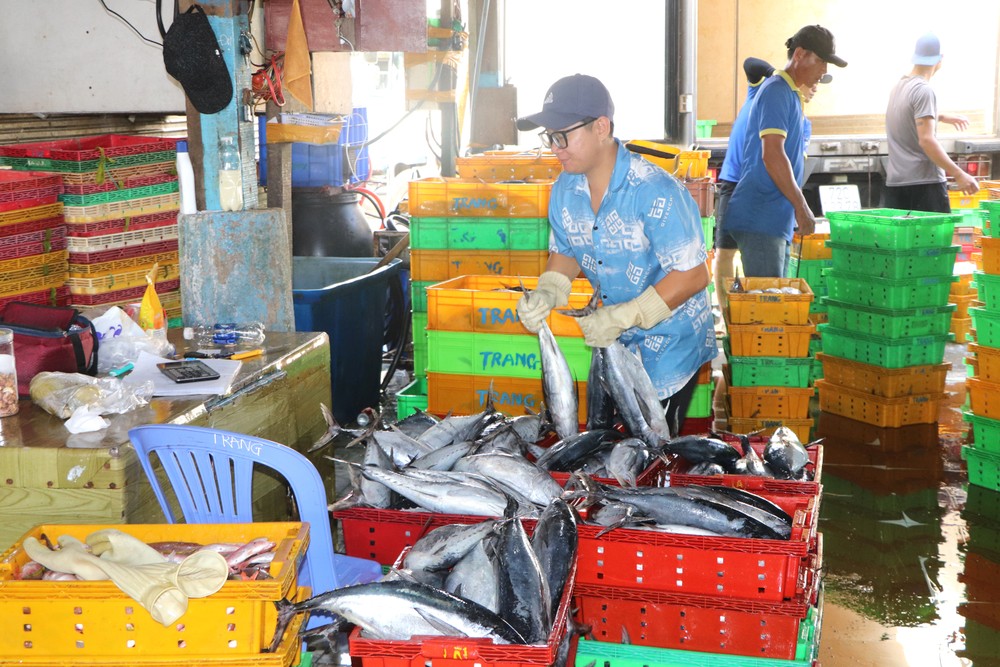
Monitoring of vessel movements is carried out through the electronic catch documentation and traceability system (eCDT). Since the system was introduced, all fishing vessels arriving at and departing from the port have been required to declare their activities through the platform, enabling authorities to track fishing operations and update data promptly. The application of digital technology has improved management efficiency and laid the groundwork for transparent seafood traceability.
From 2023 to 2025, Incomap Port verified 377 certificates of origin for exported seafood, covering more than 6,567 tons—equivalent to about 11.7 percent of the total seafood volume handled at the port.
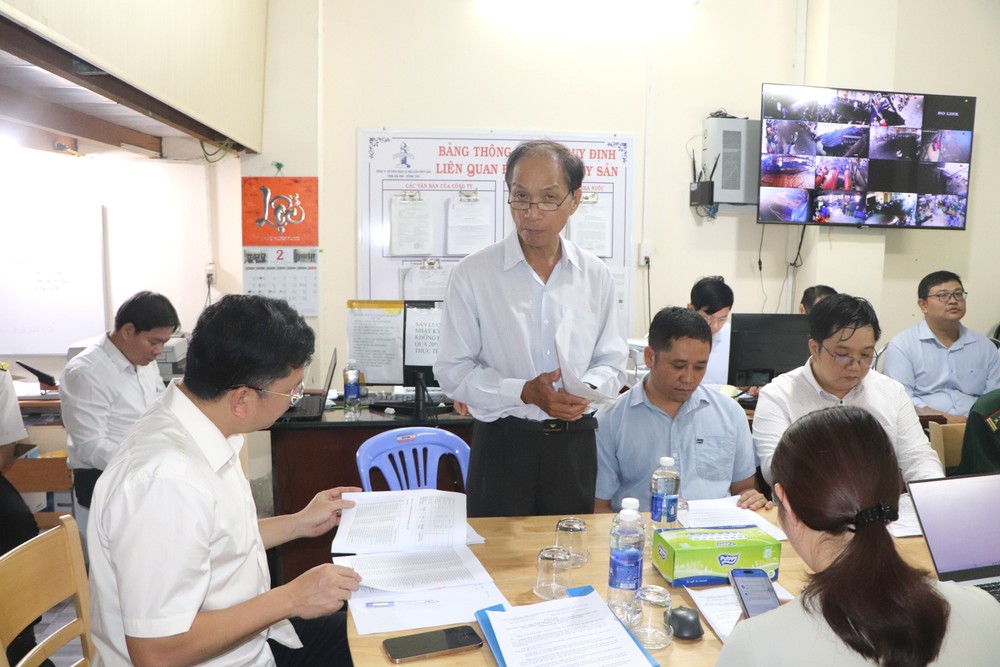
During routine operations, the port management board has worked closely with relevant agencies and border guard forces to inspect and supervise fishing vessels. Fishing logbooks are cross-checked with data from the vessel monitoring system (VMS) to ensure compliance. In addition, a remote surveillance camera system has been installed, while port authorities coordinate with vessel owners, traders, and stevedoring teams to monitor the volume of seafood unloaded. According to the port management board, no “three-no” fishing vessels—those lacking registration, inspection, or fishing licenses—have been recorded docking at the port.
At Cat Lo Fishing Port, communication campaigns on IUU fishing regulations have been regularly conducted for fishermen, vessel owners, and captains. Authorities have also maintained strict oversight of vessels entering and leaving the port, including inspections of fishing logbooks and monitoring of seafood landings. Statistical reporting on catch volumes and certification of seafood origin have been implemented rigorously to ensure transparency and meet traceability requirements.
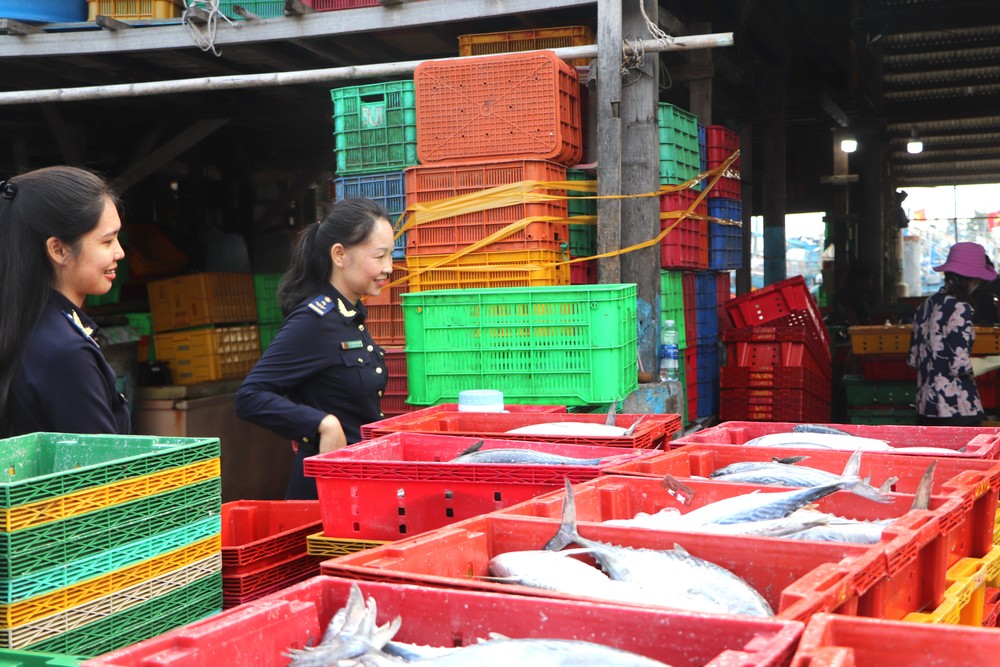
The port has introduced 100 percent electronic declarations for vessels entering and exiting through the eCDT traceability software. Statistics for the 2023–2025 period and the first two months of 2026 show that thousands of fishing vessels have been inspected upon arrival and departure.
In 2025 alone, more than 1,100 vessels were recorded docking at the port, and over 1,180 departures were monitored, with seafood landings exceeding 20,000 tons. During the first two months of 2026, the port continued to inspect hundreds of vessel movements, with more than 2,100 tons of seafood unloaded.
The verification of seafood origin for export has also been carried out strictly. In 2025, the port certified the origin of 19 seafood consignments totaling more than 177 tons. In the first two months of 2026, certification was granted for two additional consignments with a combined volume exceeding 18 tons.
Following the inspection, Vice Chairman Hoang Nguyen Dinh instructed port management authorities to strictly enforce regulations on vessel declarations upon arrival and departure, ensuring that no fishing vessels enter or leave ports without proper oversight. He also called for the full application of the eCDT electronic traceability system for all vessels using the ports, enabling authorities to closely monitor seafood landings and provide a reliable basis for issuing catch confirmation and origin certification in accordance with regulations.






)