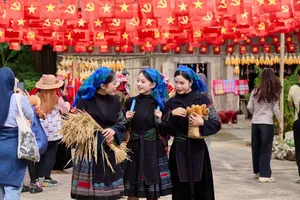
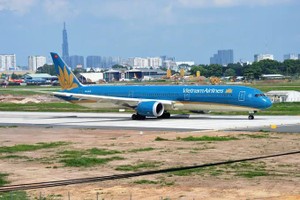
The National Reunification (April 30)–May Day holiday period saw a sharp rise in shopping and travel demand, with residents of Ho Chi Minh City favoring indoor entertainment to avoid the heat, alongside strong visitor flows to coastal and ecotourism destinations across the country.
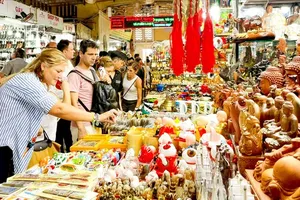
In Ho Chi Minh City, shopping and entertainment activities were bustling throughout the holiday. Prolonged hot weather drove a sharp increase in demand for indoor entertainment, pushing more visitors to shopping malls, supermarkets and entertainment sites.
Large commercial centers combining cinemas, food courts and play areas remained crowded, especially during midday and evening hours. Retail systems such as AEON, Emart and MM Mega Market reported higher-than-usual customer volumes, accompanied by extensive promotional campaigns to stimulate consumption. The trend of “indoor escape”, combining shopping, dining and entertainment, remained a leading trend in urban consumer habits.
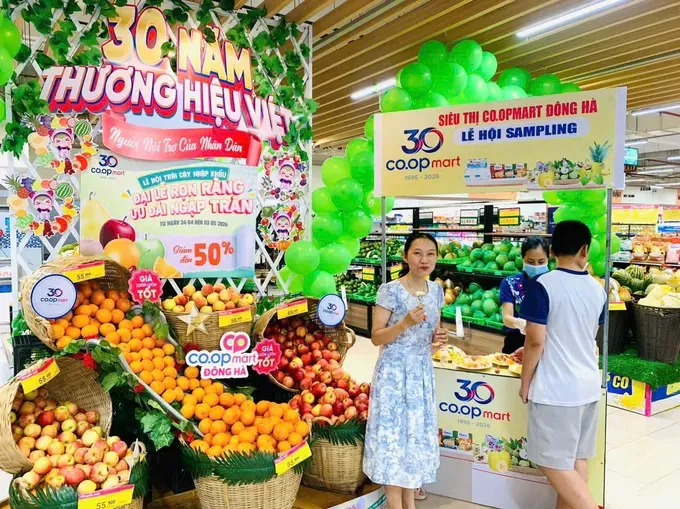
Saigon Co.op launched a major promotion program featuring more than 10,000 essential products discounted by up to 50 percent, running through May 13. Key categories include personal care, laundry products, and nutritional foods, with various purchasing incentives such as bundled deals and bulk discounts. Fresh food remained a major highlight, with VietGAP-certified and “Tick Xanh Responsibility” (green tick responsibility) products discounted by up to 30 percent or offered in “buy two, pay one” promotions. Ready-to-eat foods, beverages, and ice cream were also heavily discounted to meet demand for convenience and heat relief.
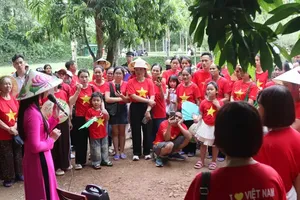
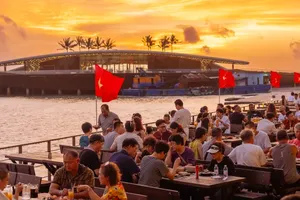
Meanwhile, coastal and island destinations in the Central region saw a strong rise in tourist arrivals. In Nhon Ly and Nhon Hai areas of Quy Nhon Dong Ward, Gia Lai Province, visitor numbers exceeded 25,000 over the two holiday days, with hotspots like Eo Gio and Ky Co attracting thousands daily. Many tourists participated in symbolic activities such as underwater flag displays at coastal sites.
Tourism linked to science and innovation in Gia Lai Province also gained traction, with the Quy Nhon Center for Science Exploration and Innovation welcoming 3,000–5,000 visitors daily.
On Ly Son Special Zone in Quang Ngai Province, tourist arrivals reached nearly 13,000, marking a significant increase year-on-year.
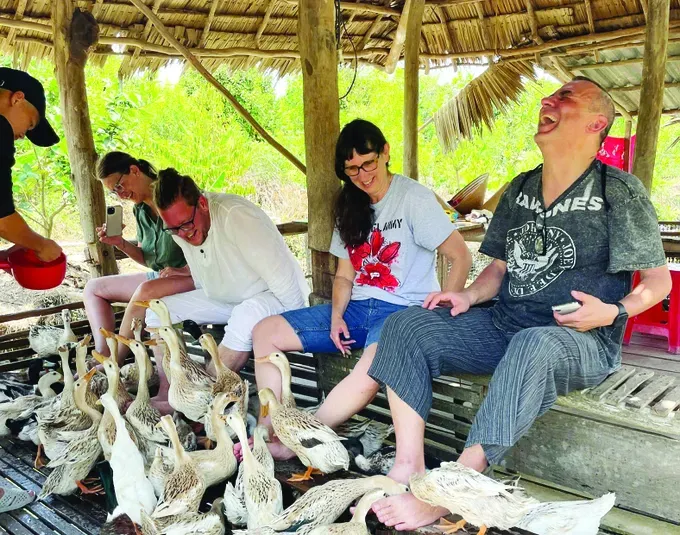
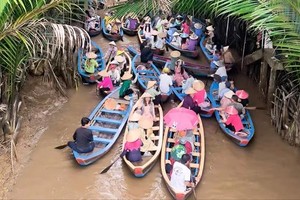
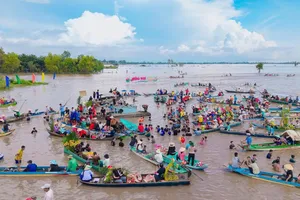
In the Mekong Delta, ecological tourism continued to thrive. At Con Son Agricultural Tourism Cooperative in Can Tho City, more than 1,000 visitors per day experienced activities such as fish farming tours, “flying snakehead fish” shows, fish and duck massage services and other river-based experiences, with international visitors increasing noticeably.
Other attractions across the region also recorded strong growth. Tram Chim National Park in Dong Thap remained popular for boat tours through melaleuca forests and bird-watching experiences, while Thoi Son islet tours, fruit orchard visits, and Sa Dec flower village attracted large crowds.

A new highlight this year is the opening of an exhibition house at the Xeo Quyt historical site in Dong Thap Province, showcasing more than 150 artifacts across three thematic displays. The space combines restored models, imagery, documentaries, and digital archives to recreate the life and resistance activities during wartime, serving both educational and tourism purposes.
At Tan Lap Floating Village in Tay Ninh Province, visitor numbers also surged throughout the day. The iconic forest canal route allowed tourists to explore the Dong Thap Muoi wetland ecosystem, with popular activities including rowing boats, pedal boats, and relaxation at scenic lakes amid the hot weather.





)