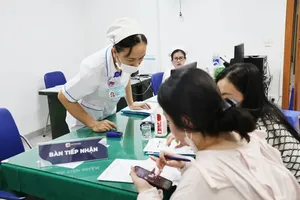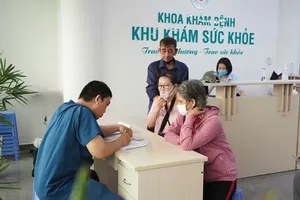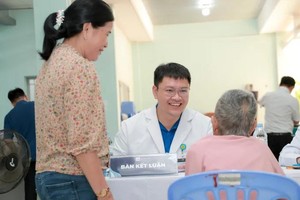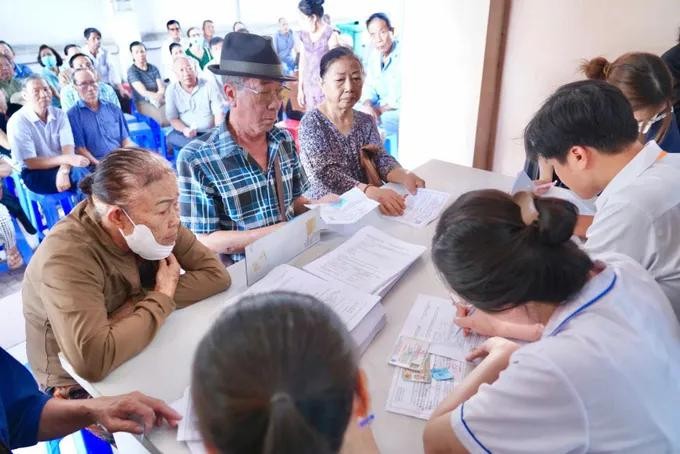
On July 15, the Ho Chi Minh City Department of Health said that after one month and 20 days of implementing the universal health check program, from May 25 to July 15, a total of 534,346 residents had undergone health checkups and received electronic health records.
The milestone underscores the strong commitment of the city's political system and healthcare sector while providing the foundation for Ho Chi Minh City to launch a 150-day intensive campaign to ensure that all residents receive health checkups during 2026.
According to Associate Professor, Dr. Tang Chi Thuong, Director of the Ho Chi Minh City Department of Health, the department has completed a plan to connect the healthcare system with all 168 wards, communes and special zones across the city to accelerate the program.
Under the plan, all public hospitals, private hospitals, hospitals operated by ministries and government agencies, regional medical centers, general clinics and community health stations have been assigned to work alongside individual localities throughout the campaign.
Each ward, commune and special zone will be connected with one or more healthcare facilities based on its population size and local characteristics. Hospitals will work closely with local authorities to organize mobile health screening teams at community health stations, community screening sites or residential neighborhoods, ensuring residents have the most convenient access to healthcare services.
The program's distinctive feature is not only the mobilization of additional healthcare personnel but also the establishment of a sustainable coordination mechanism between hospitals and grassroots healthcare providers. Local authorities are responsible for compiling resident lists, conducting public outreach and arranging screening venues, while hospitals assign doctors, nurses and technicians to mobile screening teams, provide professional support, arrange referrals when necessary and continue managing patients with chronic diseases after their screenings.
Dr. Tang Chi Thuong said.
Dr. Tang Chi Thuong added that after each health screening, residents' information is updated in their electronic health records, creating the foundation for lifelong health management. He said this also marks an important step in the healthcare sector's digital transformation, shifting from a treatment-based model to one focused on proactive monitoring, disease prevention and early health management.
To achieve the program's target during the remainder of the year, the Department of Health has instructed local authorities to apply a "reverse time management" approach by setting monthly, weekly and daily screening targets based on the number of residents who have not yet been examined.
Hospitals have also been directed to proactively allocate personnel and equipment, provide flexible screening services outside regular working hours and on weekends, and expand mobile health screening teams to make services more accessible.
The Department of Health has also asked people's committees of all 168 wards, communes and special zones to promptly complete cooperation agreements with their assigned hospitals, finalize screening schedules, determine screening locations and prepare plans to mobilize residents to participate, ahead of the launch of the 150-day intensive campaign on July 16.