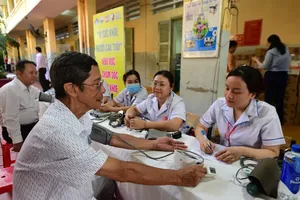
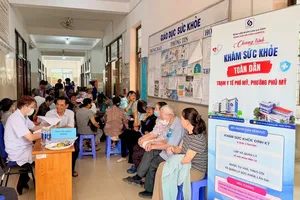
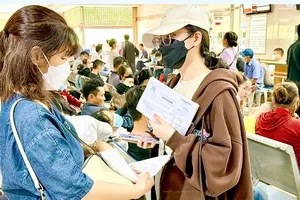
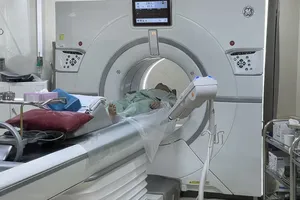
The directive was announced at a conference held by the Ho Chi Minh City Party Committee on July 3 to review the implementation of the 2026 periodic health screening program and plans to expand healthcare facilities across the city.

Mr. Nguyen Phuoc Loc, Deputy Secretary of the Ho Chi Minh City Party Committee and Chairman of the Vietnam Fatherland Front Committee in the city, chaired the working session, which was attended by leaders of the city's Health Department, relevant agencies and representatives from the 36 communes and wards in the northwestern area.
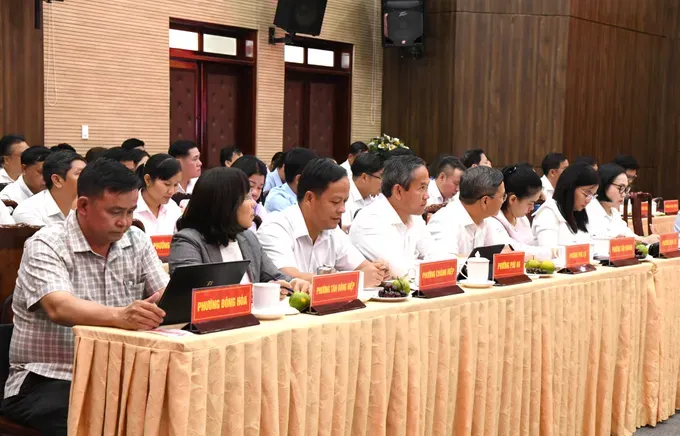
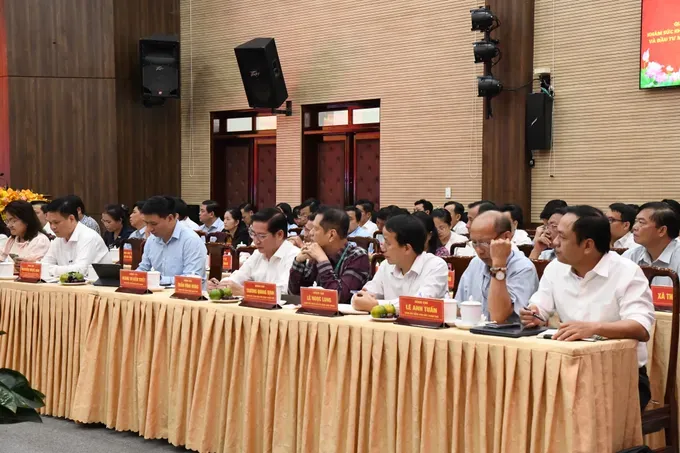
According to the Ho Chi Minh City Department of Health, the city's periodic health screening program had been launched in all 168 wards, communes and special zones as of July 2, achieving full geographic coverage. Since July 1, the city has also rolled out electronic health records through the Ho Chi Minh City Digital Citizen application.
Mr. Nguyen Phuoc Loc commended the municipal Health Department for coordinating with local authorities and relevant agencies to implement the program while integrating it with the national population database and electronic health records. He described the initiative as a key political task aimed at achieving universal health coverage.

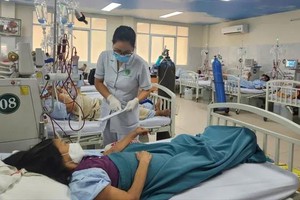
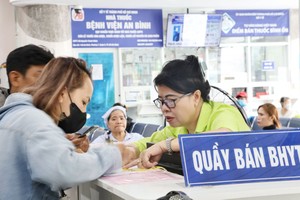
He instructed the department to conduct a comprehensive assessment of the northwestern area and propose the expansion of qualified Grade I and tertiary hospitals by establishing second campuses or satellite facilities. The department was also asked to review healthcare infrastructure and plan the development of specialized hospitals, including pediatric, obstetric, orthopedic and stroke treatment facilities, in areas where demand is greatest.
In addition, local authorities were urged to repurpose surplus government buildings created through administrative restructuring for education, healthcare and other public welfare services.
Mr. Nguyen Phuoc Loc called on local administrations to adopt solutions suited to their specific conditions and work toward completing periodic health screenings for residents in all 36 northwestern communes and wards by the end of October 2026.
)