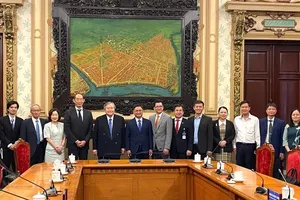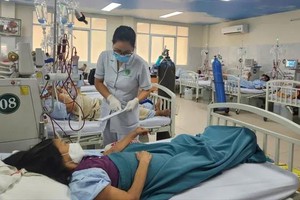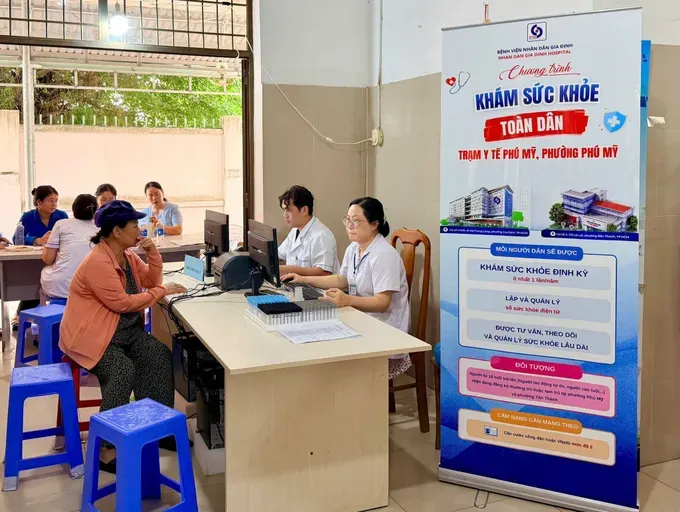
On July 14, the HCMC Department of Health shared its comprehensive plan to seamlessly connect public and private hospitals, ministry and sector-affiliated medical facilities, regional health centers, general clinics, and grassroots health stations with 168 communes, wards, and the special zone across the city. Ultimately, this massive initiative aims to launch a 150-day peak emulation drive to heavily accelerate the robust implementation of the Universal Health Examination Program.
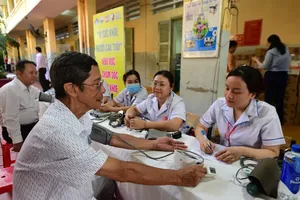
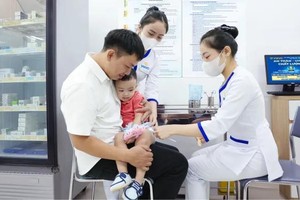
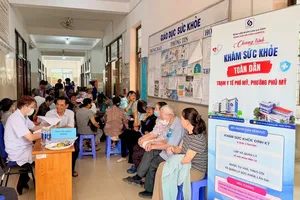
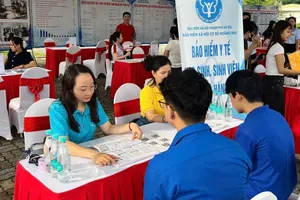
Accordingly, each locality is systematically assigned at least one accompanying medical examination and treatment facilities perfectly tailored to its population size and unique geographical characteristics. These medical units will tightly coordinate with local authorities to organize dynamic mobile health examination teams at grassroots clinics, sub-clinics, and various community check-up points, entirely depending on the practical conditions and specific characteristics of each locality.
This officially marks the very first time HCMC has deployed a sweeping community health program featuring the fully synchronized participation of the entire public and private healthcare system.
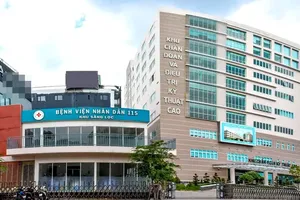
Medical institutions ranging from ministry-affiliated powerhouses like Cho Ray Hospital, Thong Nhat Hospital, Military Hospital 175, and HCMC University Medical Center to HCMC’s top-tier hospitals such as Gia Dinh People’s Hospital, People’s Hospital No.115, Trung Vuong Hospital, An Binh Hospital, Nguyen Tri Phuong Hospital, Le Van Thinh Hospital, and Le Van Viet Hospital have all been thrown into the mix.
Regional general hospitals, private hospitals, regional medical centers, and general clinics have also been actively mobilized to participate, stringently ensuring that all 168 communes, wards, and special zones boast a dedicated accompanying medical force.
A completely novel aspect of this pragmatic model isn’t just heavily supplementing the human resources for health examinations, but it’s also establishing a tight coordination mechanism between hospitals and local authorities.
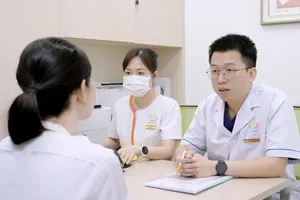
While the locality bears the absolute responsibility for carefully reviewing residential lists, organizing widespread propaganda, mobilizing citizens, and properly arranging examination venues, the hospitals will dispatch doctors, nurses, and technicians to enthusiastically join the mobile examination teams. Simultaneously, they’ll provide indispensable professional support, facilitate seamless hospital transfers, and diligently monitor cases requiring long-term management.
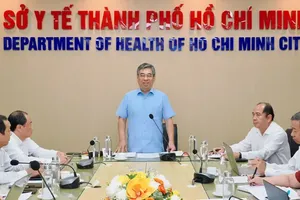
As stated by Director of the HCMC Department of Health Assoc Prof Tang Chi Thuong, MD PhD, precision is key. He explained that to strictly ensure the overarching goal is completed dead on schedule, localities will formulate robust plans utilizing a “reverse time management” method.
Essentially, this involves calculating backward from the total population requiring examinations and the remaining days to pinpoint highly specific targets for every single month, week, and day. Based precisely on that data, medical units will proactively coordinate personnel and equipment, reliably organizing regular and continuous check-ups, even outside standard office hours and on weekends, to create optimal convenience for participating citizens.
“The People’s Committees of the 168 communes, wards, and the special zone must urgently finalize the signing of contracts with their assigned hospitals, unify the examination schedules, nail down the event locations, and solidify the mobilization plans for residents to actively participate, stringently ensuring they're fully ready to step into the 150-day peak emulation drive starting from its official launch on July 16.”
Director of the HCMC Department of Health Assoc Prof Tang Chi Thuong
Alongside the comprehensive list of public hospitals, regional medical centers, and general clinics actively participating in the program, the HCMC Department of Health also published a list of private general clinics fully qualified to conduct these health examinations. This allows localities to carefully consult, select, and proactively sign contracts whenever absolutely necessary.
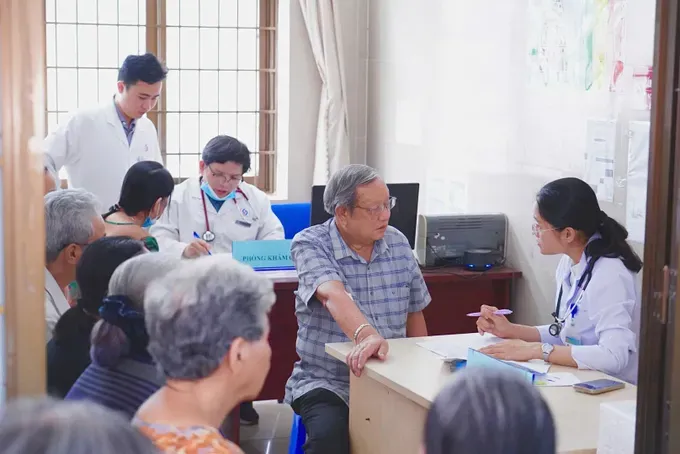
Regarding the pressing need for specialist doctor support, general hospitals, specialized hospitals, and grassroots clinics in communes, wards, and the special zone can proactively reach out to suitable medical facilities to heavily bolster their professional capacity during the ongoing rollout process.
The head of the HCMC health sector stressed that the ultimate goal of this massive mobilization is to fiercely strive to fulfill the ambitious target of 100 percent of city dwellers receiving comprehensive health check-ups, having electronic health records properly established, and being continuously managed health-wise throughout their entire lifecycles.
Remarkably, this is slated to be achieved right in the very first year of implementing Resolution No.72-NQ/TW issued by the Politburo, which heavily focuses on creating monumental breakthroughs in public healthcare in the new context.
Looking further ahead, the “hospital-locality cooperation” model will be strictly maintained long after the dust settles on the universal health examination campaign, effectively transforming into a rock-solid foundation for continuous healthcare activities right within the community.
Based entirely on the invaluable data updated in the health e-records, hospitals will continually assist local clinics and dedicated healthcare teams in accurately managing chronic diseases, actively monitoring the elderly, providing expert treatment consultation, facilitating smooth transfers, and delivering crucial professional training.
According to the HCMC Department of Health, during this grueling 150-day peak emulation drive, each hospital is intimately tied to a specific locality, and every single mobile examination team acts as a vital extended arm of the broader medical system.
In the end, they’re all steering towards the overall goal of ensuring that every single citizen receives thorough health check-ups, is continuously managed health-wise, and can effortlessly access top-notch healthcare services right from the foundational grassroots level.

)