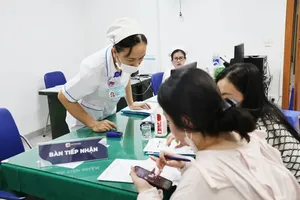
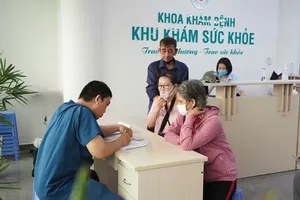
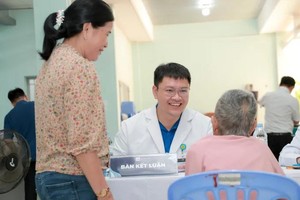
From July 6 to 12, the program recorded 120,086 health checkups, its highest weekly figure since launch. At this rate, Ho Chi Minh City is expected to surpass 500,000 residents screened this week as it works toward providing annual health checkups for all residents by 2026.
Several localities have adopted innovative approaches tailored to their specific conditions. Con Dao Special Zone continues to lead the city, with 35.73 percent of its population having received health screenings. It is followed by An Nhon Tay Commune (28.16 percent), Thanh An Commune (18.71 percent), Bac Tan Uyen Commune (16.21 percent) and Vinh Loc Commune (15.02 percent).
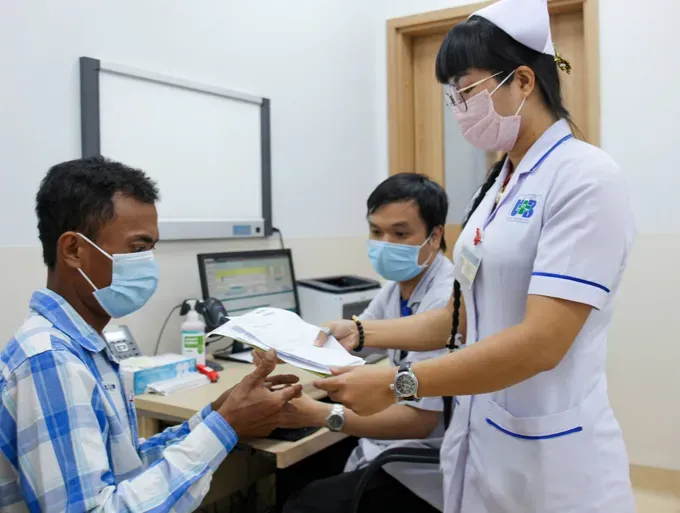
In terms of the number of people screened, several densely populated localities have also posted impressive results. More than 12,700 residents have been examined in An Nhon Tay Commune, over 10,700 in Tang Nhon Phu Ward, and nearly 10,700 in Ba Diem Commune, while many other localities have recorded between 8,000 and 9,000 health checkups.
However, disparities remain among localities. Ten communes and wards have so far recorded health screening rates of less than 1 percent of their populations, including Binh Chau, Phu Giao, Ban Co, Xuyen Moc, Hoa Hoi, Ngai Giao, Lai Thieu, An Phu, Tru Van Tho and Bau Lam.
According to Associate Professor, Dr. Tang Chi Thuong, Director of the Ho Chi Minh City Department of Health, the initial results are encouraging but represent only the beginning of a strategically important program.
The ultimate goal is not simply to meet numerical targets for health screenings, but to foster a culture of proactive healthcare within the community, gradually build electronic health records for every resident, detect diseases early, effectively manage non-communicable diseases, and reduce future treatment burdens, he said.
To sustain and accelerate implementation, the municipal Department of Health has urged authorities in communes, wards, and special zones to continue mobilizing the entire political system, strengthen public communication to raise awareness of the benefits of regular health checkups, and enable local health stations to focus on professional duties while coordinating closely with hospitals and healthcare facilities to achieve the city's universal health screening target.