On the afternoon of July 13, a group of the Ho Chi Minh City National Assembly Delegation met with officials at the People's Committee of Dau Tieng Commune to review the handling of voters' recommendations on ensuring adequate medical staffing at health stations in communes under the city's new two-tier local government system.
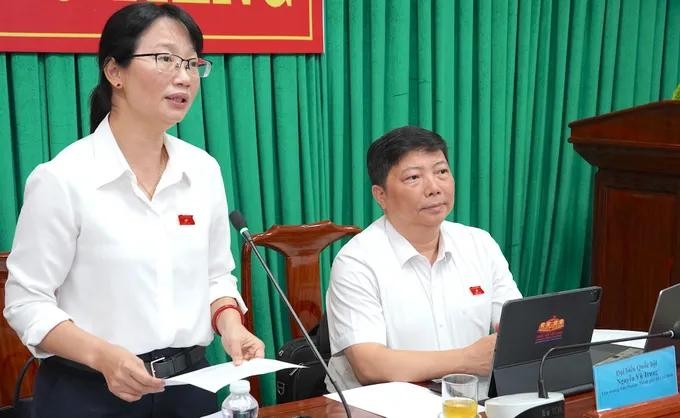
The meeting was chaired by Tran Thi Dieu Thuy, Deputy Head of the Ho Chi Minh City National Assembly Delegation.
Reporting to the delegation, Dr. Tran Thi Mai Suong, deputy director of the Dau Tieng Commune Health Station, said the facility operates one main station and three satellite clinics with 34 of its 36 approved staff positions filled, providing healthcare services for more than 39,000 residents.
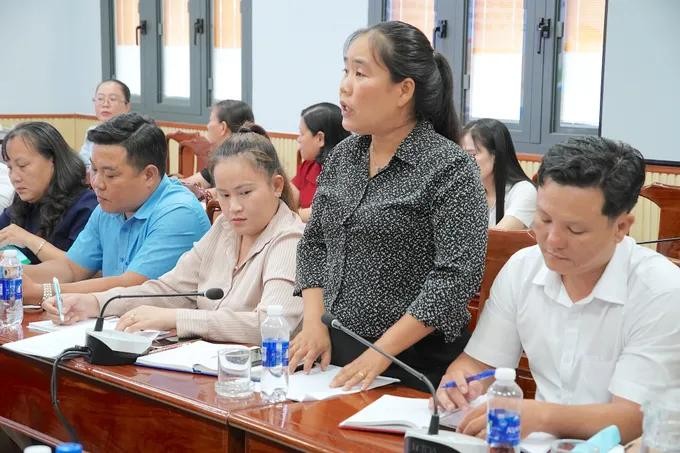
The health station has maintained primary healthcare services and health insurance-covered medicine distribution. Patients requiring treatment beyond the station's capacity are safely referred to higher-level hospitals. However, the station still lacks a psychiatrist to provide mental health services, does not have personnel or laboratory equipment for antiretroviral (ARV) treatment, and faces equipment shortages that have slowed digital transformation efforts.
Leaders of the health stations in Long Hoa, Thanh An, and Minh Thanh communes reported similar challenges. In addition to shortages of specialist doctors, aging facilities are unable to meet healthcare demand, limiting service revenue needed to pay salaries and allowances.
The communes proposed increasing the staffing cap for health stations from a maximum of 10 employees to 20 per station, or determining staffing levels based on actual population size. They also called for improved salary and professional allowance policies to attract young doctors, expanding doctor rotation programs from Grade I hospitals to grassroots health facilities, and allowing newly graduated doctors to complete their 12-month internship at commune health stations.
Representatives of the health stations also proposed adding information technology and public health positions, along with expanding community health worker networks to support digital transformation and chronic disease management. They also called for improved working conditions, construction of new health stations, investment in medical equipment, expanded training opportunities, and stronger technical support from higher-level hospitals.
Concluding the meeting, Deputy Head Tran Thi Dieu Thuy said the city had made initial progress in addressing shortages of medical professionals, improving treatment capacity at the grassroots level, and strengthening public confidence. However, attracting doctors to areas far from the city center remains difficult because of heavy workloads and relatively low incomes.
She called on the Ho Chi Minh City Department of Health to work closely with the Department of Home Affairs to advise the city People's Committee on assigning 2026 staffing quotas to each health station based on population size, the number of healthcare sites, and local conditions. Commune authorities should prioritize recruitment to ensure every health station has at least one full-time doctor.
The Deputy Head of the Ho Chi Minh City National Assembly Delegation also recommended establishing flexible mechanisms for assigning medical personnel and providing professional support among commune health stations and between hospitals and grassroots facilities, particularly for stations that have not yet met staffing targets, to ensure uninterrupted primary healthcare services.
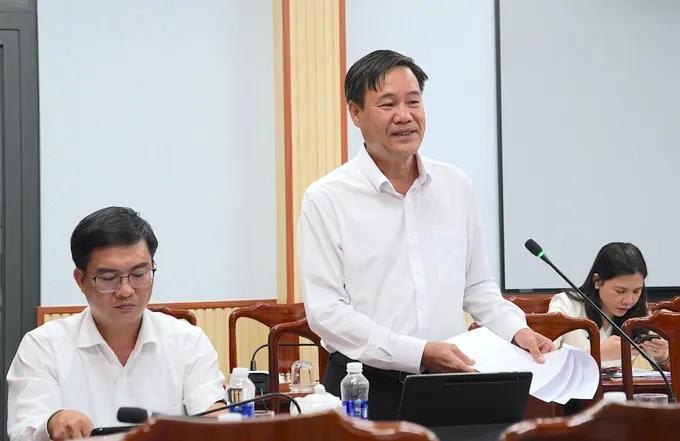
Regarding financial mechanisms and the city's special policies, Deputy Head Tran Thi Dieu Thuy urged the Department of Health to recommend that the city People's Committee allocate sufficient funding to implement Resolution No. 73/2025/NQ-HDND and Resolution No. 72/2025/NQ-HDND. She also called for proposals to the city People's Council to increase financial incentives and expand eligibility for recruitment support policies for doctors and pharmacists working in disadvantaged and island communes.
She further recommended prioritizing public investment to upgrade facilities and medical equipment at health stations in densely populated and newly merged areas, while continuing to promote digital transformation and integrate medical data systems to reduce administrative procedures and improve healthcare services for residents.