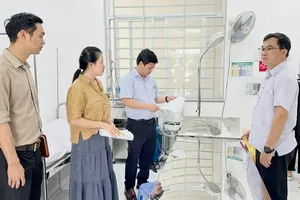
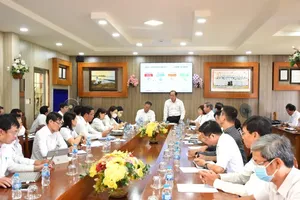
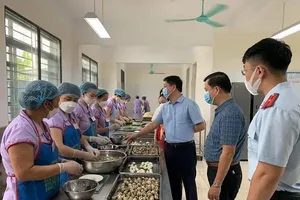
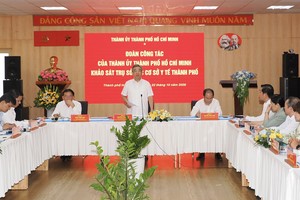
On the morning of July 7, Vice Secretary of the Party Committee and Chairman of the Vietnam Fatherland Front Committee of Ho Chi Minh City, Nguyen Phuoc Loc, held a working session with the Standing Committee of the Ho Chi Minh City People's Committee on the allocation of surplus public offices and state-owned land to the healthcare and education sectors.
Effectively utilize surplus public buildings and land to better serve the people
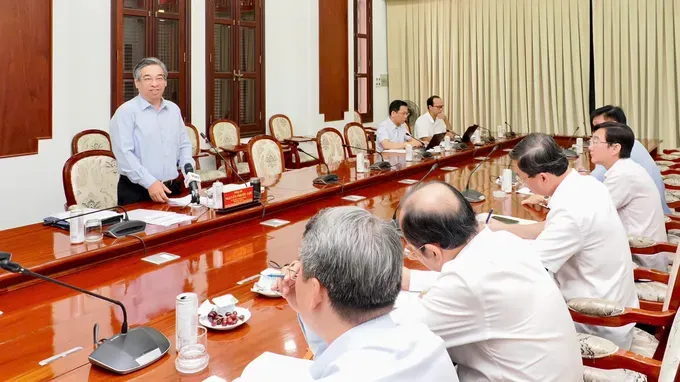
Reporting at the meeting, Vice Chairman of the Ho Chi Minh City People's Committee Nguyen Cong Vinh said the city is urgently updating and finalizing its plan for managing and utilizing surplus public buildings and land, with priority given to essential public services, particularly education and healthcare.
Regarding the education sector, the demand for schools and classrooms remains substantial in the city center and areas experiencing rapid urbanization. However, most of the remaining land parcels are small and scattered. The People's Committee has instructed the Department of Education and Training to coordinate closely with local authorities in reviewing actual demand, giving priority to land plots of sufficient size for the construction of schools that meet prescribed standards.
For smaller land parcels adjacent to existing educational institutions, the city will study options to expand school facilities and provide additional learning and recreational space for students.
Additionally, local authorities have been instructed to review the school network following the administrative unit reorganization. In practice, some areas have a high concentration of schools, while others continue to face shortages of educational facilities. The allocation of resources should therefore be based on population demand, student enrollment, and the urban development orientation of each locality.
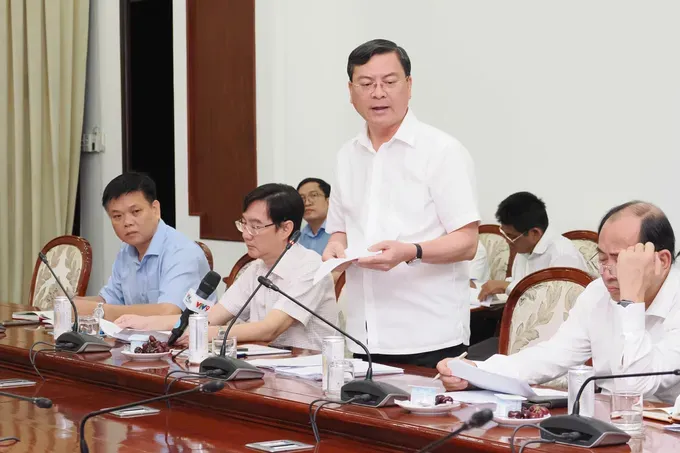
Vice Chairman of the Ho Chi Minh City People's Committee Nguyen Cong Vinh instructed the healthcare sector to proactively prepare land reserves for the long-term development of hospitals and medical facilities. Beyond addressing current needs, the city must also plan for future growth as the population continues to increase. For large land parcels, planning should be carried out from the outset to reserve sufficient space for healthcare and education facilities.
During the period before these sites are fully utilized for their intended purposes, they may be developed into parks, green spaces, or other public amenities for residents. As development demand increases in the future, the city will be better positioned to implement hospital and school projects without spending considerable time identifying new land resources.
Departments, agencies, and local authorities must continue to coordinate closely in reviewing land resources and surplus public buildings and land while developing long-term, sustainable utilization plans with the highest priority placed on effectively serving the people. Education and healthcare must be regarded as the top priorities in the city's social infrastructure development strategy for the coming period, the Vice Chairman of the Ho Chi Minh City People's Committee stressed.
A foundation for sustainable development
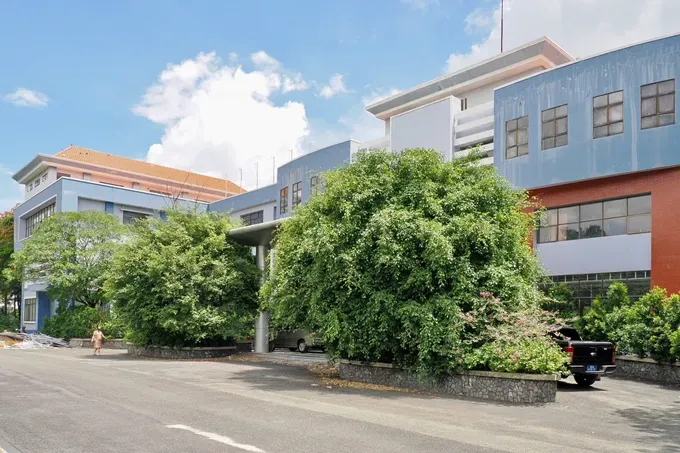
Concluding the meeting, Vice Secretary of the Ho Chi Minh City Party Committee Nguyen Phuoc Loc emphasized that the effective management and utilization of surplus public buildings and land following the administrative reorganization is not only an immediate task but also a valuable opportunity for the city to strengthen resources for essential sectors, particularly healthcare, education, culture, and community-serving public facilities.
The city must fully grasp and faithfully implement the Central Government's directive to give priority to allocating surplus public buildings and land to sectors that directly serve the public interest. In particular, every effort must be made to prevent public assets from being wasted or used for purposes inconsistent with their intended function.
In the immediate term, the Ho Chi Minh City People's Committee should continue directing relevant departments and agencies to urgently review and finalize plans for utilizing surplus public properties, with priority given to healthcare, education, culture, and other public service facilities.
The utilization of existing public office buildings must be aligned with the city's overall development master plan while ensuring consistency with the Central Government's major orientations to develop Ho Chi Minh City into a modern, sustainably developed metropolis with an enhanced quality of life for its residents, Mr. Nguyen Phuoc Loc emphasized.
Regarding the education sector, the Vice Secretary of the Ho Chi Minh City Party Committee noted that Ho Chi Minh City does not face an overall shortage of schools across the city; rather, shortages are localized in certain areas experiencing rapid urbanization. Therefore, the allocation of surplus public buildings should prioritize addressing classroom shortages, thereby creating favorable conditions for students to attend full-day schooling (two sessions per day) in line with the education sector's policy.
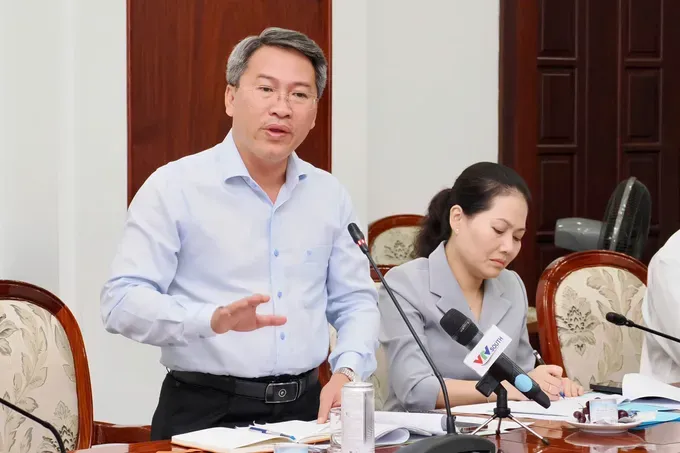
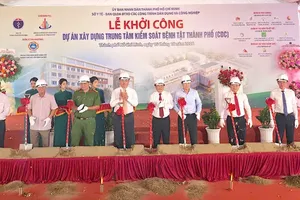
Regarding the healthcare sector, he stressed that it should be accorded special priority to expand development capacity, ease overcrowding at leading tertiary hospitals, and improve the quality of healthcare services for the public. In recent years, several initiatives to repurpose surplus public facilities have delivered tangible results. These include the transfer of the former District 3 Medical Center to the Ho Chi Minh City Ear, Nose, and Throat Hospital, the former District 10 Medical Center to the People's Hospital 115, and the former Healthcare Protection Board for Officials to the Ho Chi Minh City Eye Hospital.
According to Vice Secretary of the Ho Chi Minh City Party Committee Nguyen Phuoc Loc, the immediate solution is to maximize the use of existing facilities. Over the longer term, however, the city should develop a comprehensive master plan for the use of land resources and infrastructure dedicated to healthcare and education, aligned with its urban development strategy, population distribution, and transport infrastructure planning. Relevant agencies should conduct a comprehensive review of public land resources while coordinating with central ministries and agencies to explore the allocation of additional land for high-quality healthcare and educational facilities.
Investment decisions should be guided by reliable data, demand forecasts, and long-term planning to avoid fragmented investment and ensure synchronized infrastructure development.
Mr. Nguyen Phuoc Loc also proposed studying integrated models that combine education and healthcare, such as establishing school-based health stations and developing school health service models to enhance public service delivery at the grassroots level. He also called for accelerating the development of the city's healthcare system under a multi-center model. In addition to the existing specialized medical hub in the inner city, Ho Chi Minh City should develop new healthcare growth poles in the northwestern, eastern, and other key emerging development areas.
The effective utilization of surplus public office buildings and land will not only address immediate demands but also lay a solid foundation for the sustainable development of the city's healthcare and education systems for many years to come, he emphasized.
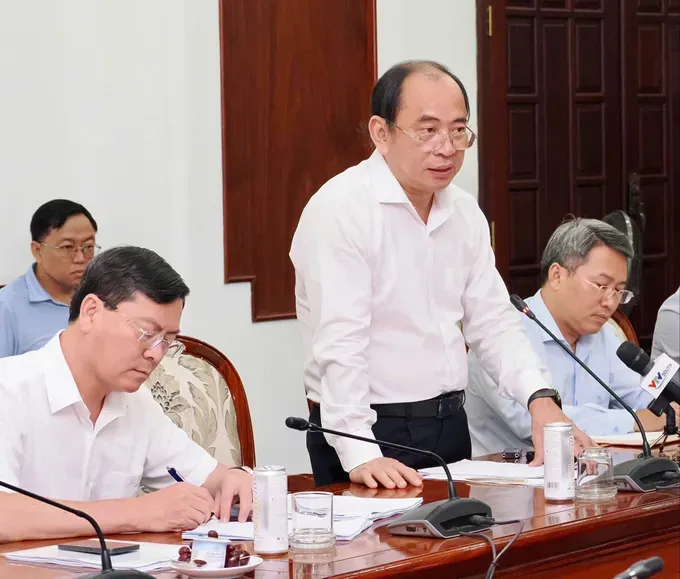
According to Associate Professor Dr. Nguyen Tan Phat, Director of the Ho Chi Minh City Department of Education and Training, the handover and repurposing of surplus public facilities should be considered based on the specific operational requirements of each sector. For the education sector, the current priority is to provide additional classrooms, expand learning space, support the implementation of full-day schooling (two sessions per day), and ease overcrowding in areas experiencing rapid urbanization. Many surplus public facilities made available following the administrative reorganization are located in strategic areas and already have relatively complete infrastructure. If properly reviewed and renovated, they can enable the education sector to rapidly expand its facilities without the need for entirely new construction, thereby conserving public resources while meeting students' growing educational needs.
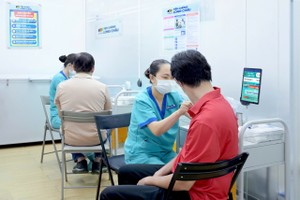
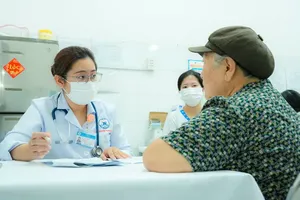
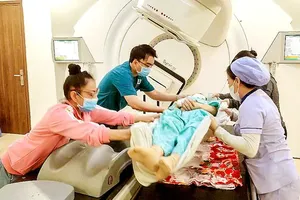
According to Associate Professor Dr. Tang Chi Thuong, Director of the Ho Chi Minh City Department of Health, alongside the city's rapid socio-economic development and continued population growth driven by migration, public demand for medical examination and treatment services continues to increase. Meanwhile, many existing healthcare facilities, particularly those in the city center, are facing mounting pressure from overcrowded infrastructure and limited space for expansion. Against this backdrop, the effective utilization of surplus public buildings and land made available following the administrative reorganization will provide additional resources to expand the city's healthcare network and improve people's access to healthcare services.
The city's orientation is to develop a multi-center healthcare system, rather than concentrating all resources in the inner-city area, while gradually establishing new healthcare hubs in the eastern, northwestern, and other key development areas.
If properly planned and effectively utilized, surplus public facilities made available after the administrative reorganization will become an important resource for the city to achieve its healthcare development goals through 2030 and beyond, contributing to improved quality of life for residents and ensuring sustainable social welfare.

)