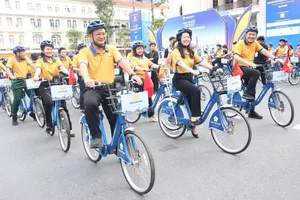
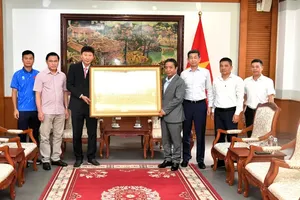
A new vision for sports development
City officials say the strategy builds on decades of investment in sports as a means of developing human capital. Since the years following the country's reunification, Ho Chi Minh City has maintained a forward-looking approach that has helped it become the country's leading sports powerhouse through continuous reforms in governance, organization and athlete development.
A major turning point came with the administrative merger of Ho Chi Minh City, Binh Duong and Ba Ria-Vung Tau on July 1, 2025, creating a new regional framework that officials describe as a "super sports hub."
According to Nguyen Nam Nhan, Deputy Director of the city's Department of Culture and Sports, the expanded administrative structure provides greater resources, stronger institutions and enhanced internal capacity. The new model aligns with the country's national strategy of shifting from a medal-focused approach to one that emphasizes the social and economic value of sports while promoting Olympic-standard, professional and modern sports development.
Under the new regional strategy, Ho Chi Minh City will serve as the center for elite sports, sports science and digital transformation. The former Binh Duong area will focus on identifying and training young talent while supporting the sports equipment manufacturing industry. Meanwhile, the former Ba Ria-Vung Tau area will capitalize on its coastal advantages by hosting international sporting events and promoting sports tourism.
The city is also implementing a new sports governance model that encourages public-private partnerships, digital transformation and streamlined management.
Ly Dai Nghia, Director of the Ho Chi Minh City Sports Training and Competition Center, said the city plans to reduce its coaching and athlete workforce by 20-25 percent in order to concentrate resources on priority sports and introduce key performance indicators (KPIs) to improve management efficiency.
Science and technology have been identified as critical drivers of future success. The city has begun piloting artificial intelligence-powered equipment capable of measuring athletes' strength, speed and performance in real time during training sessions. Brainwave monitoring technology and multi-point sensor systems are also expected to be introduced to personalize training programs, reinforcing Ho Chi Minh City's ambition to become Vietnam's leading center for sports digitalization.
The city's commitment to innovation is also reflected in its approach to organizing sporting events.
The first Ho Chi Minh City Sports Games, scheduled for 2026, is expected to attract nearly 11,000 coaches and athletes competing in 44 sports. Rather than holding the opening ceremony inside an indoor arena, organizers have chosen Saigon Riverside Park as the venue, highlighting a new vision that integrates sports with the city's riverfront landscape and public spaces.
The Deputy Director of the city's Department of Culture and Sports said the decision reflects an effort to bring sports closer to the public while showcasing Ho Chi Minh City's identity as a modern river city connected to new urban development areas.
Upgrading the city's sports sector is not merely an industry objective but part of a broader mission to foster human development, stronger communities and a modern metropolis capable of meeting national expectations, said Mr. Nguyen Nam Nhan, Deputy Director of the city's Department of Culture and Sports
Realizing the vision
Despite its strengths, Ho Chi Minh City faces increasing competition from other localities and growing demands associated with professional sports. City leaders believe continued reform, long-term planning and stronger international cooperation will be essential to maintaining its leadership position.
According to Mr. Ly Dai Nghia, Ho Chi Minh City now has more than 30 sports federations and associations operating effectively through socialized funding, making it a national pioneer in mobilizing private-sector resources.
The city has also established strategic cooperation with 12 countries and territories in athlete training and coaching technology transfer, enabling local sports programs to benefit from international expertise.
Ho Chi Minh City's preparations to host the 10th National Sports Games in late 2026 are expected to provide a comprehensive test of its organizational capacity, technological capabilities and urban infrastructure. Upgrading sports facilities across the city has become a priority.
Major venues, including Hoa Lu Sports Center, Phu Tho Swimming and Diving Club, Phu Tho Indoor Stadium, Phu Tho Sports Training Hall and Thong Nhat Stadium, are undergoing renovation. Construction of a new sports talent training center at Hoa Lu Sports Center officially began in September 2025.
More recently, the municipal Department of Culture and Sports took over operations of a new modern headquarters at the Sports Training and Competition Center in Binh Duong Ward, providing upgraded infrastructure to support elite athlete development.
Beyond competitive achievement, Ho Chi Minh City increasingly views sports as a comprehensive entertainment industry.
The Director of the Ho Chi Minh City Sports Training and Competition Center estimated that between 1986 and the end of 2025, the city co-hosted more than 500 prestigious international sporting events, including the Golden Racket Table Tennis Tournament, international marathons, World Badminton Cup events, international chess tournaments and World Three-Cushion Carom Billiards competitions.
These events have promoted the city's image as a dynamic, open and welcoming destination while generating economic benefits, media exposure and new opportunities for tourism and related service industries.
One of the most notable examples was the 2024 World Teqball Championships, hosted in Ho Chi Minh City for the first time. The tournament reached an estimated global audience of 470 million potential viewers, received media coverage in 74 countries and generated approximately US$2.1 million in media value.
The 2025 Ho Chi Minh City International Martial Arts Festival also transformed public spaces into vibrant cultural and sporting venues, attracting around 35,000 spectators, generating 8.67 million social media impressions and producing an estimated media value of VND16.5 billion (US$627,348).
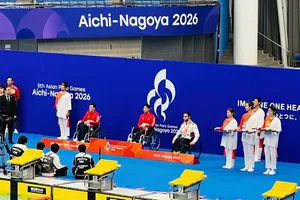
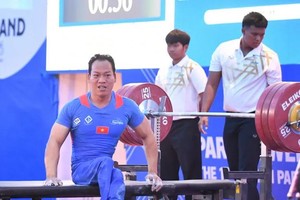
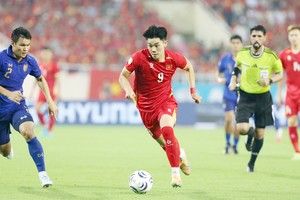
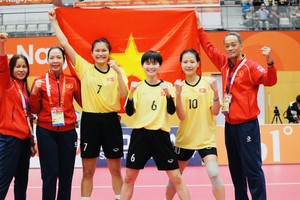
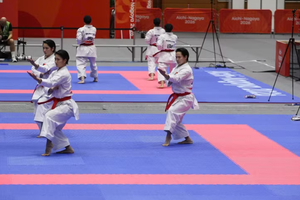
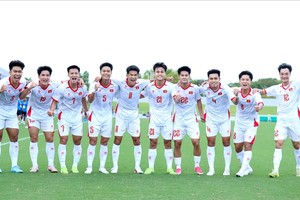
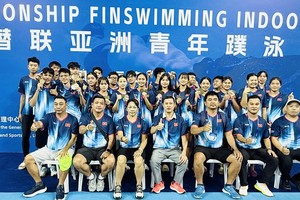
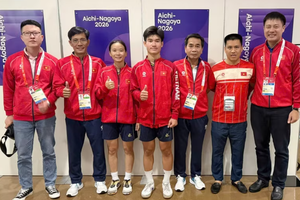
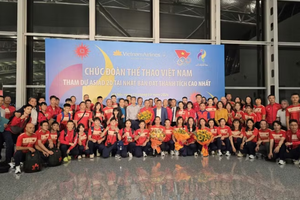
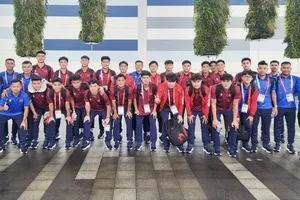
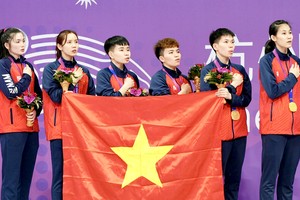
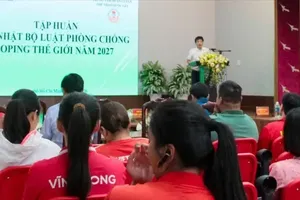
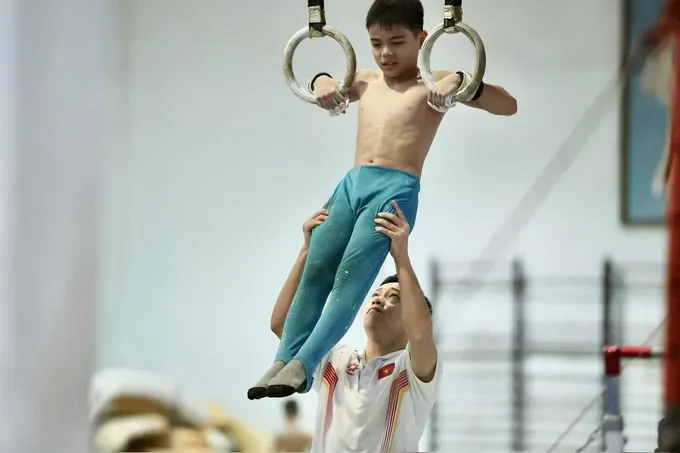
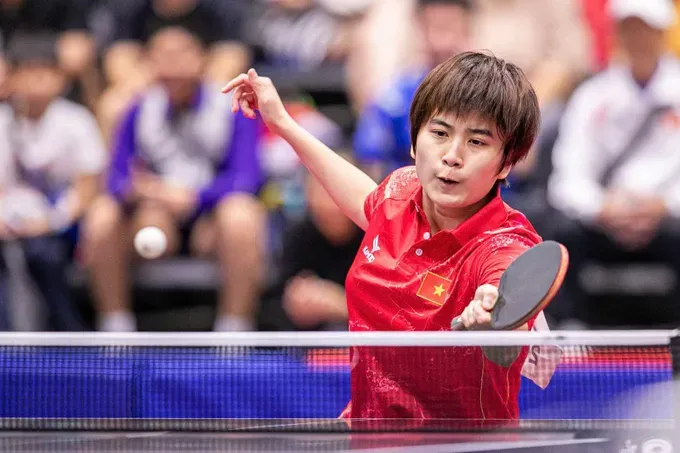
>>>Below are photos highlighting Ho Chi Minh City's athletes, who have consistently made significant contributions to Vietnam's sporting achievements over the years. (Photos: SGGP/ Dung Phuong)
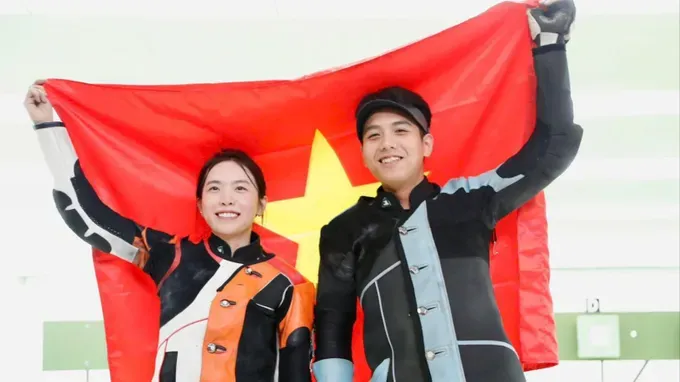
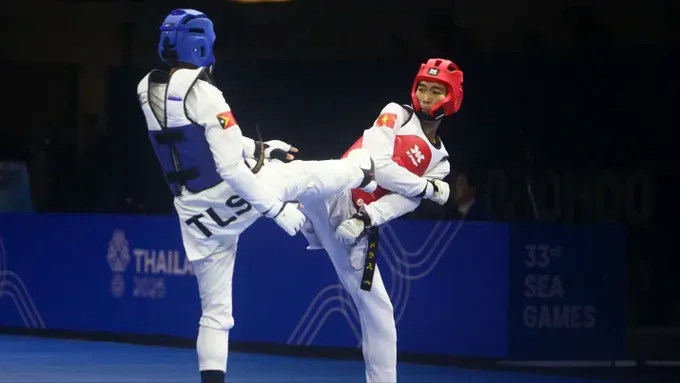
According to Mr. Nguyen Nam Nhan, 36.7 percent of the city's population now exercises regularly, while 32 percent of households are classified as sporting families. More than 15,600 sports facilities and clubs currently serve residents across the city.
He said this broad participation forms the foundation of a sustainable sports economy, noting that without a sufficiently large community of participants, it would be difficult to develop sports services, events, retail markets and sponsorship.
Under the city's new strategy, sports are increasingly viewed as a multi-layered ecosystem encompassing event organization, sponsorship, broadcasting rights, education and training, retail, tourism and technology.