The priority sports identified in the program include shooting, archery, weightlifting, cycling, rowing and canoeing, athletics, swimming, karate and sepak takraw. The roadmap will be implemented through three phases of 2026-2030, 2031-2035 and 2036-2046.
Although Vietnam’s sports sector has previously invested in disciplines such as taekwondo, sepak takraw, weightlifting, shooting, gymnastics and swimming for international competitions, this marks the first time a comprehensive national program has specifically targeted nine sports to strengthen Vietnam’s position in continental and global arenas.
According to Prof. Dr. Lam Quang Thanh, former Deputy Director General of the Vietnam Sports Administration, focusing investment on key sports is both necessary and practical, helping eliminate inefficient, scattered spending.
The program proposes several solutions to improve athletes’ performance, including applying specialized training models, expanding long-term overseas training programs in countries with strengths in targeted sports, and implementing advanced methods such as “Elite Training Camps,” “Periodized Training,” and “Personalized Athlete Development.”
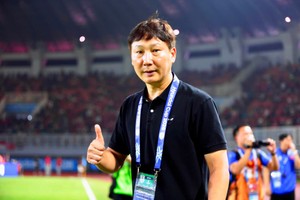
Vietnam also plans to invite coaches and experts with proven success at the Asian Games and Olympics to work directly with national teams.
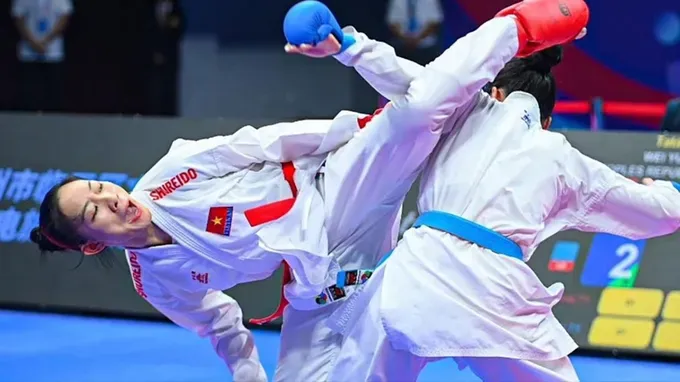
The upcoming 2026 Asian Games, scheduled for September, will serve as the opening stage for Vietnam’s “Development of Key Sports for Olympic and Asian Games Participation 2026-2046” program. Vietnam aims to win at least five gold medals, particularly in strong sports such as karate, sepak takraw, rowing, and shooting.
In the immediate future, nine national teams such as shooting, archery, weightlifting, cycling, rowing and canoeing, athletics, swimming, karate and sepak takraw will undergo annual long-term training at national sports training centers.
To finalize the program, the Vietnam Sports Authority has already established development tasks for all nine sports groups beginning in early 2026.
Mr. Nguyen Manh Hung, Secretary General of the Vietnam Athletics Federation, said the federation is focusing on selecting events best suited to each athlete’s abilities.
For athletics, long-term international training programs are being designed for each event group, with overseas experts contributing to coaching and technical development, he added.
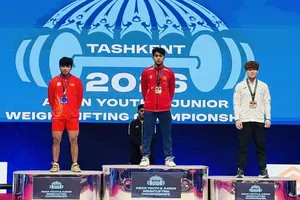
Meanwhile, Mr. Do Dinh Khang, Secretary General of the Vietnam Weightlifting and Bodybuilding Federation, said that Vietnamese weightlifting will continue focusing on lower weight categories that better suit the physical characteristics and strengths of Vietnamese athletes.
These are also categories where Vietnamese lifters can compete for medals at the Asian level and potentially contend at the Olympics, he noted.