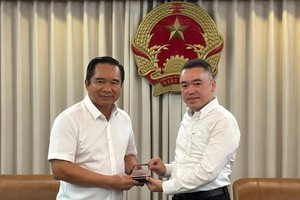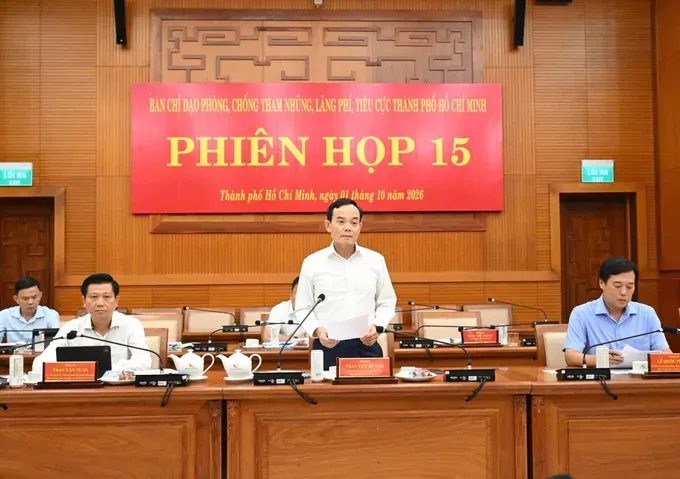
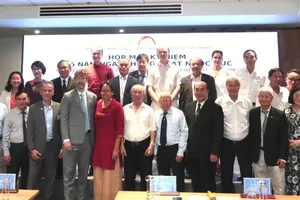
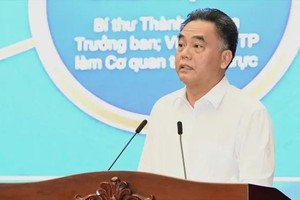
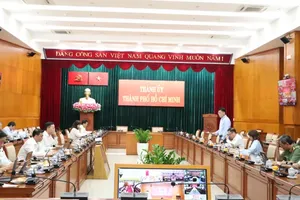
On October 1, the Ho Chi Minh City Steering Committee on Prevention and Control of Corruption, Wastefulness, and Negative Phenomena held its 15th session. Mr. Tran Luu Quang, Member of the Politburo, Secretary of the Ho Chi Minh City Party Committee, and Head of the Steering Committee, chaired the meeting.
The Steering Committee convened its 15th session to evaluate anti-corruption, anti-wastefulness, and anti-negativity performance during the first nine months of the year while outlining key priorities for the final three months of 2026.
According to the Steering Committee, efforts to combat corruption, wastefulness, and negative phenomena across the city continued to yield positive, comprehensive, decisive, and far-reaching results over the nine-month period.
Inspection and supervision activities proactively took the lead, concentrating on sensitive sectors prone to violations, including land management, public investment, and public assets.
Competent authorities demonstrated enhanced, seamless coordination in resolving bottlenecks related to forensic evaluation, property valuation, and asset recovery. This helped accelerate the investigation, prosecution, and trial of cases under the Steering Committee’s supervision and guidance.
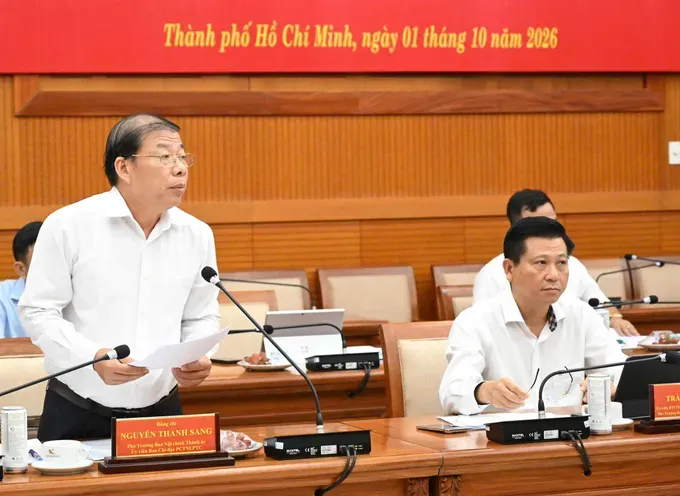
Anti-wastefulness measures received strong leadership, direction, and heightened implementation across all levels and sectors, achieving increasingly visible impact. Furthermore, the quality of inspection, supervision, and complaint-and-denunciation handling was enhanced, contributing to political stability, social order, and security.
Competent authorities proactively strengthened coordination to thoroughly resolve arising difficulties and obstacles. This accelerated the verification, investigation, prosecution, and trial of cases and incidents under supervision, yielding notable results. Specifically, oversight was concluded for six criminal cases and two incidents, while two new incidents were placed under active monitoring.
The Steering Committee identified the final months of 2026 as a crucial period to accelerate and fully achieve the year's goals and targets amid a heavy workload, with several complex, high-profile cases entering stages that require definitive resolution.
Consequently, the Steering Committee instructed party committees, party organizations, agencies, and units to maintain high focus, elevate leadership responsibility, and resolutely fulfill the annual work program. Concurrently, agencies must amend, supplement, and refine working regulations, procedures, standards, norms, public expenditure regimes, transparency and accountability mandates, job rotation protocols, and other preventive measures to fully and promptly institutionalize the Party's guidelines on preventing and combating corruption, wastefulness, and negative phenomena.
Additionally, relevant bodies were tasked with reviewing and perfecting legal documents, removing institutional bottlenecks, and effectively executing the specific mechanisms and policies under the Urban Development Law.
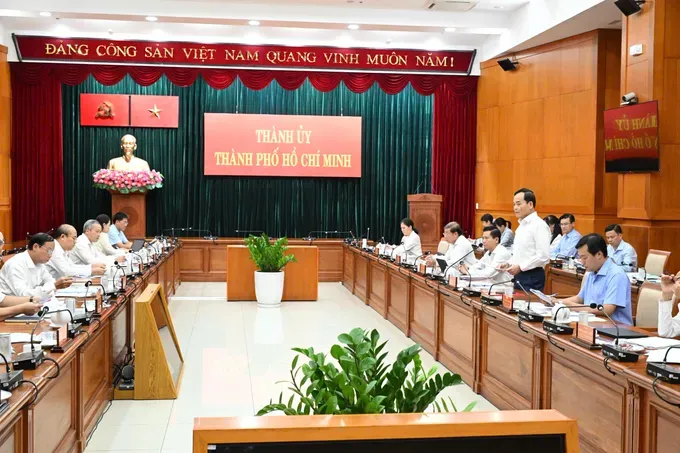
The Steering Committee also directed authorities to definitively address delayed, backlogged, and prolonged projects, as well as surplus public properties and land holdings. This includes conducting a precise review of all lagging projects, stalled construction works, and abandoned or deteriorated properties, while firmly enforcing accountability for infringing collectives and individuals based on inspection findings.
Specifically, the committee mandated the complete resolution in 2026 of difficulties facing projects with existing action plans. Priority is assigned to key projects monitored by the Central Steering Committee on Prevention and Control of Corruption, Wastefulness, and Negative Phenomena, notably the Tidal Flood Control Project and the Pham Van Dong – Go Dua Intersection – National Highway 1 section project.
In addition, authorities are tasked with accelerating the resolution of remaining cases and incidents under the Steering Committee’s oversight, while studying and recommending selected benchmark cases for targeted direction to draw preventive lessons.
The Steering Committee agreed to establish a dedicated supervision team for major construction works and key projects across the city. Additionally, it concluded oversight of one criminal case and two incidents following the completion of legal proceedings in accordance with regulations.

)