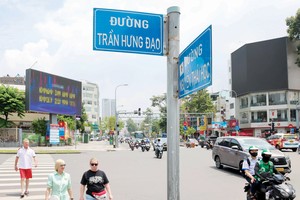
The review comes as authorities consider new regulations governing the naming and renaming of streets and public facilities. Officials say the rules should minimize disruption for residents while addressing duplicate, temporary, and meaningless street names.
Standardizing street-name management

Mr. Cao Thanh Binh, Head of the Ho Chi Minh City People's Council's Culture and Social Affairs Committee, said authorities and experts broadly support allowing streets with the same name to remain if they are located in different wards, communes, or special administrative zones.
The approach would reduce the need for residents and businesses to update identity documents, business registrations, and other paperwork, while still allowing authorities to distinguish locations through administrative data.
For numbered streets, the draft regulations would allow numerical names provided they are included in an official "name bank." If the city adopts a numbering system from 1 to 100, for example, the full sequence would have to be formally registered, while numbers outside the approved list could not be used unless added later.
The draft would also prohibit duplicate numerical street names within the same ward, commune or special administrative zone.
Removing meaningless and temporary names
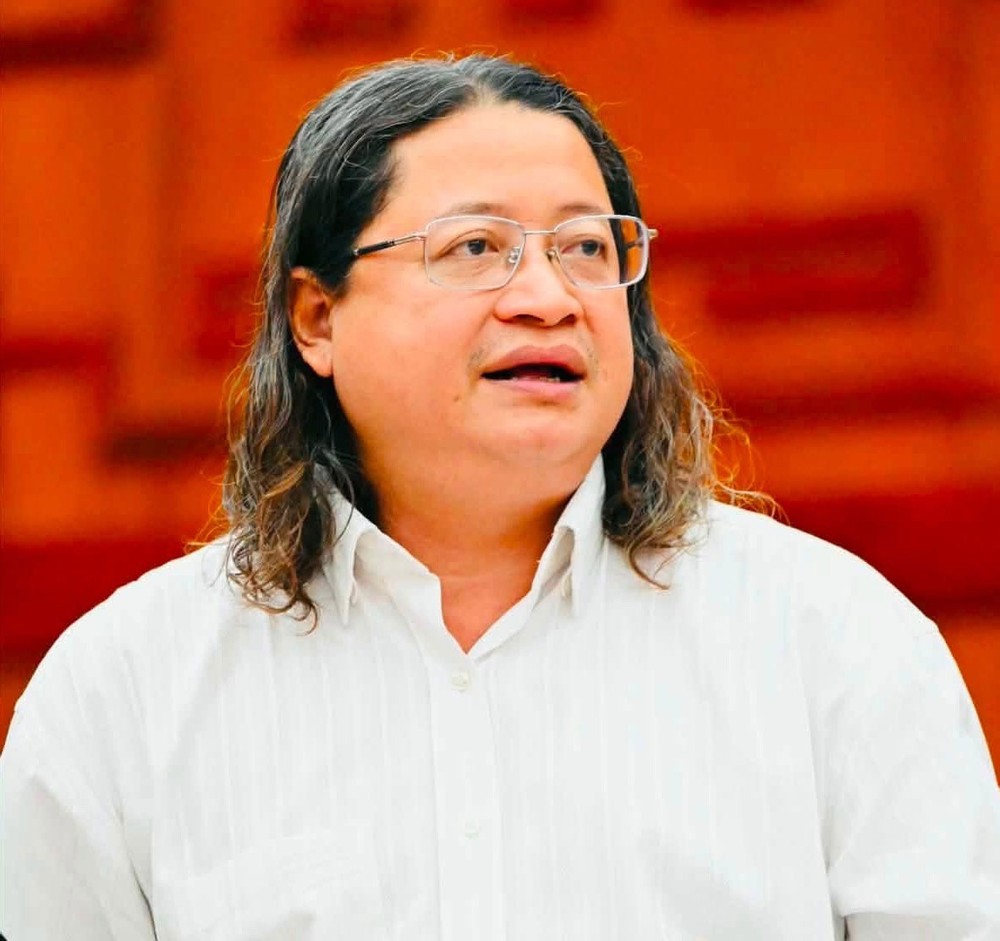
Mr. Nguyen Minh Nhut, Deputy Director of the city's Department of Culture and Sports, said authorities would prioritize dealing with temporary and meaningless names.
"Every name carries its own historical and cultural significance," he said, adding that street names should reflect the identity of the city and remain closely connected to residents' daily lives.
He said the naming and renaming process should take residents' views into account, particularly after the administrative merger, and avoid unnecessary changes that could cause disruption.
The issue is complicated by the practical consequences of changing street names.
Respecting the city's historical evolution
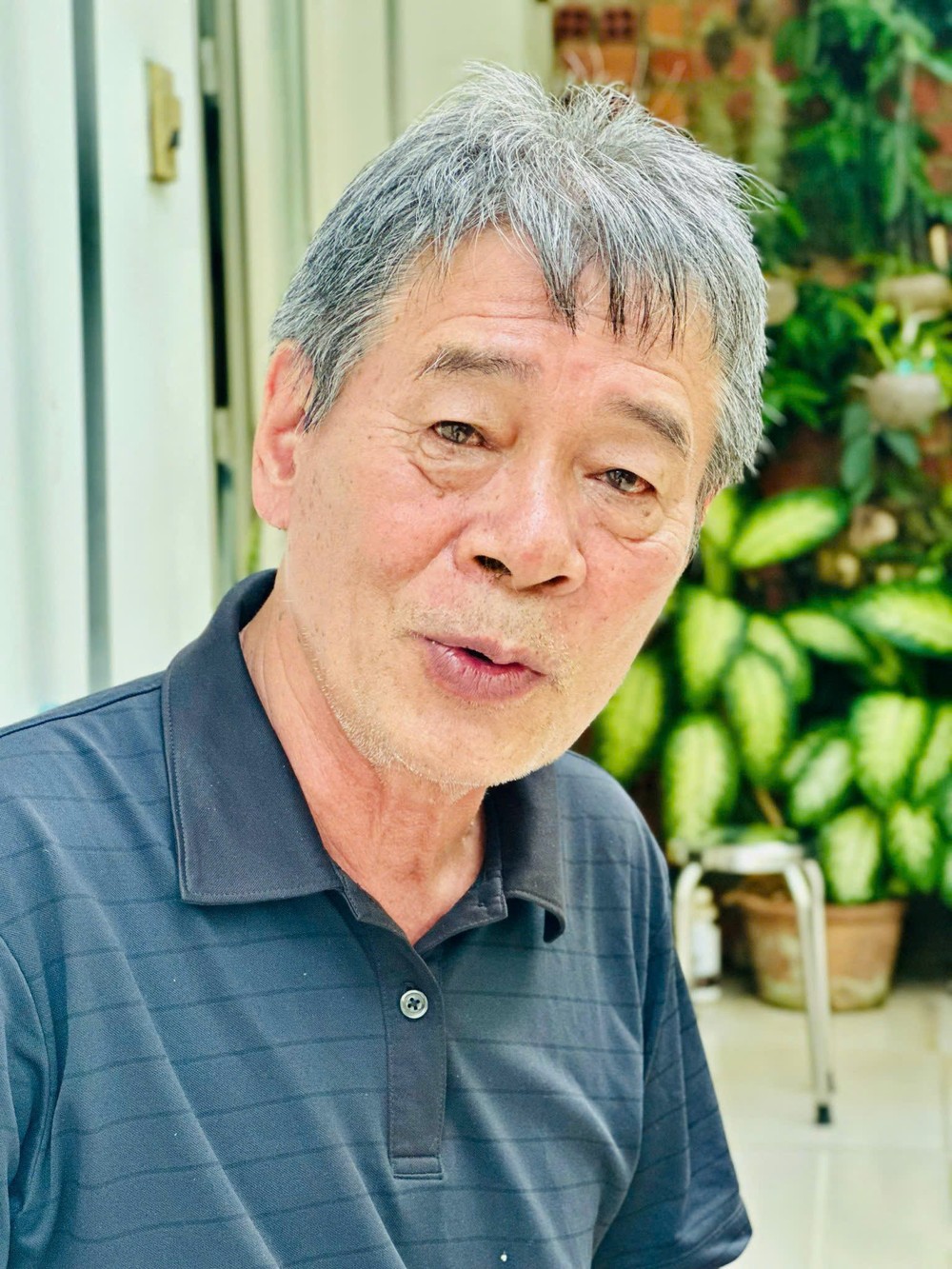
Mr. Nguyen Dinh Thong, Vice Chairman of the Ho Chi Minh City Association of Historical Sciences, said renaming streets could affect identity documents, personal identification numbers, business registrations, and other legal paperwork.
He said duplicate names across different wards or communes would not necessarily create major administrative problems if data systems were properly organized.
"For now, we should respect names that have become part of the city's history," he said. Changes should be considered only after socio-economic activities and administrative management have stabilized, he added.
Beyond administrative concerns, experts say street names can play a role in preserving collective memory.
A "living map of history"

Prof. Dr. Nguyen Duc Loc, Director of the Institute for Social Life Research, said a well-organized street-name system could serve as a "living map of history", helping residents understand the people, events, and cultural characteristics associated with different parts of the city.
Following the administrative overhaul, the city should conduct a comprehensive review of street names, he said, with common criteria and long-term planning. Different urban areas could also be organized around historical themes linked to prominent figures, events, and local cultural traditions.
Expanding the pool beyond historical figures
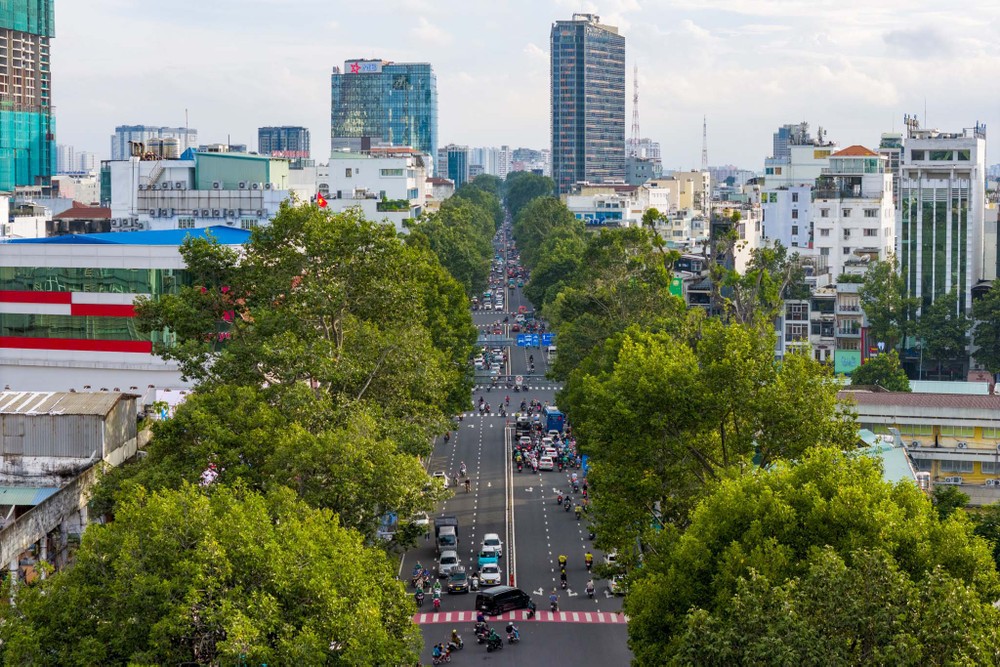
Ms. Le Tu Cam, Chairwoman of the Ho Chi Minh City Cultural Heritage Association, said the city could broaden its pool of street names beyond historical figures.
Government Decree 91/2005/ND-CP provides for streets and public facilities to be named after geographical locations, prominent figures, historical and cultural sites, historical events, and other terms of significance. In practice, however, names of historical figures account for most existing street names, she said.
She said old geographical names and historical and cultural sites could provide an important source of new names, particularly as some traditional place names risk disappearing after changes to administrative boundaries.
"If these resources are fully explored, every street and name could become an 'open-air heritage site' carrying traces of history and collective memory," she said.
More than "soulless numbers"
Poet and journalist Le Minh Quoc said numbered streets generally offer less cultural information than names linked to people, events, traditional crafts, religious sites or other features associated with a locality.
He suggested that, over the longer term, some numbered streets could be given names with greater historical and cultural significance. Possible sources could include geographical names associated with Vietnam's seas and islands, Vietnamese heroic mothers, People's Armed Forces heroes, traditional craft villages, and traditional occupations.
Such an approach, he said, would help preserve the cultural identity of Sai Gon-Gia Dinh-Ho Chi Minh City.
Building "cultural clusters"
Nguyen Quoc Dung, a retired resident of Phuoc An residential quarter in Phu Loi Ward, said duplicate street names were difficult to avoid after the administrative changes but should not automatically lead to widespread renaming.
He suggested placing brief explanations of the historical and cultural significance of street names beneath street signs to help residents understand the places where they live.
Keeping established names, he said, would help preserve local history while limiting disruption to residents.




)