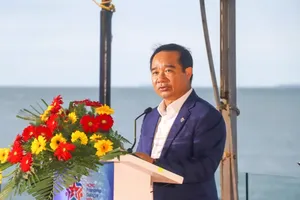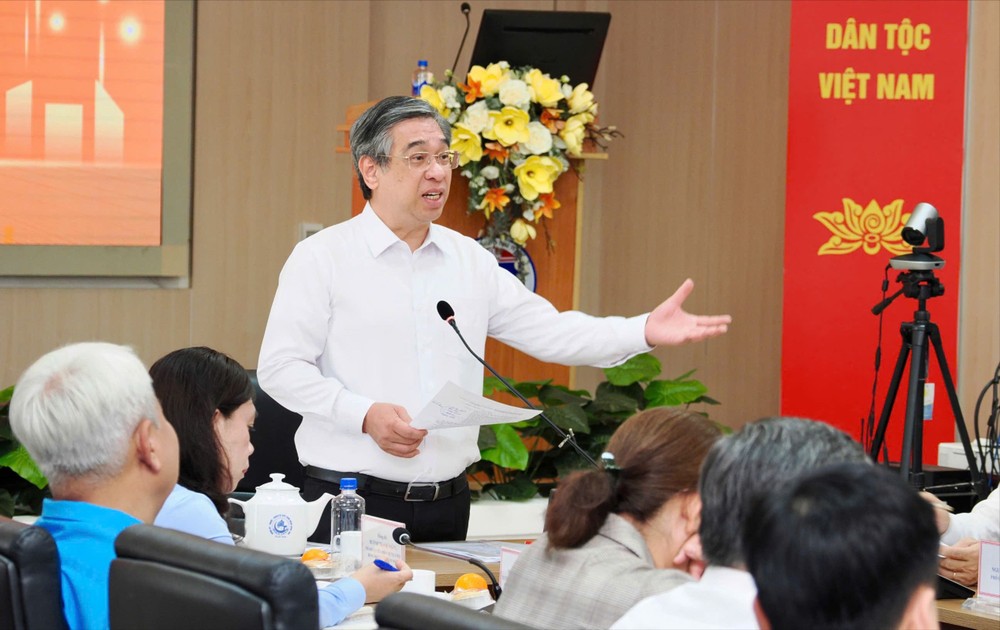
Mr. Nguyen Phuoc Loc, Deputy Secretary of the HCMC Party Committee and Chairman of the Vietnam Fatherland Front Committee of HCMC, held a working session with the municipal Department of Health on plans for universal health check-ups and long-term investment in the city’s healthcare system.
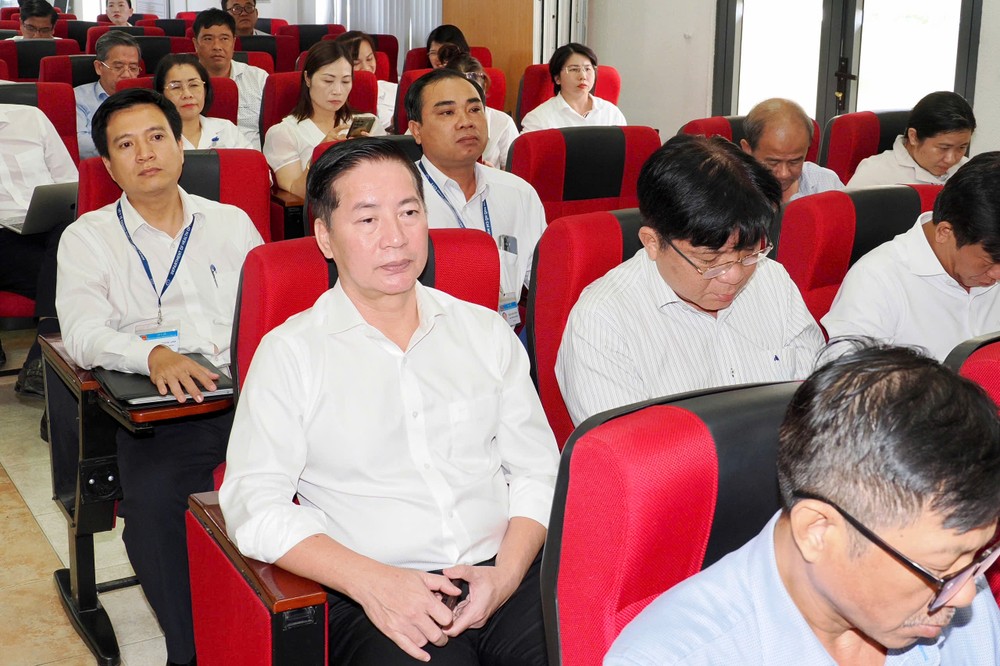
Representatives from municipal departments, agencies, and healthcare institutions also attended the meeting.
Flexible approaches to universal health screening
According to Assoc. Prof. - Dr. Nguyen Anh Dung, Deputy Director of the HCMC Department of Health, the city is preparing to launch a universal annual health screening program starting from 2026, aiming to ensure that every resident undergoes at least one health examination each year. All medical results will be integrated into electronic health records for lifelong monitoring and management.
The initiative marks a major shift in the city’s public healthcare strategy, transitioning from a treatment-centered model to one focused on prevention, early detection, and proactive health management.
The program will cover all residents living in HCMC, including both permanent and temporary residents, identified through the national VNeID digital identification platform. It will also include employees working for city-managed agencies, organizations, and businesses operating in the city.
In 2026 alone, the healthcare sector is expected to conduct approximately 15 million health screening visits, ensuring that all residents across 168 wards, communes, and special administrative zones receive at least one medical check-up annually.
Priority will be given to vulnerable groups, including the elderly, people with disabilities, poor and near-poor households, policy beneficiaries, people suffering from chronic diseases, and residents in disadvantaged areas. City officials described this as a core principle to guarantee equitable access to healthcare services.
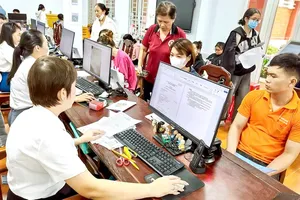
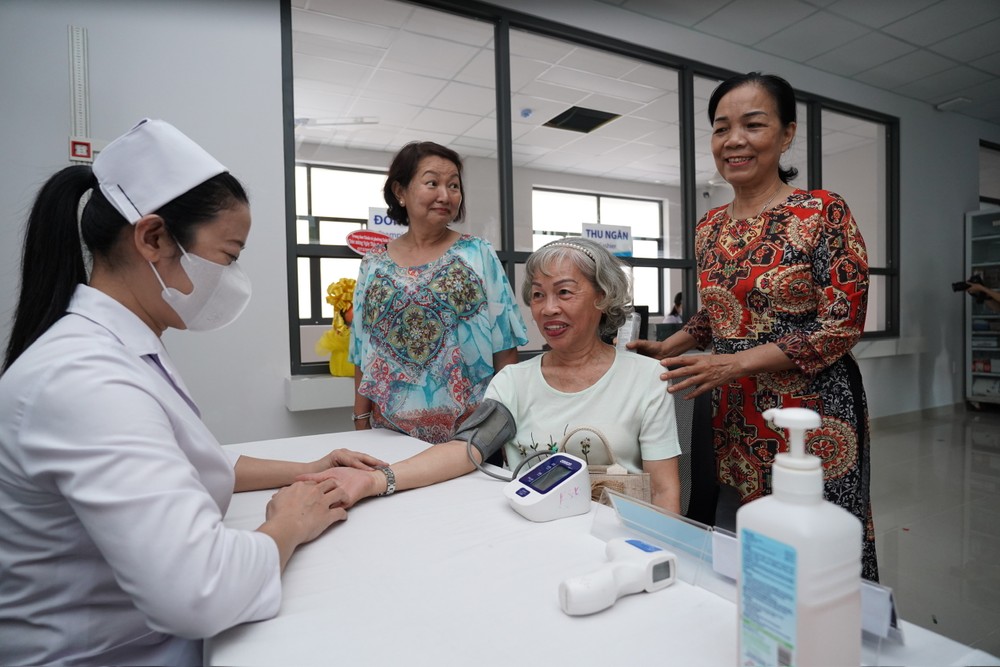
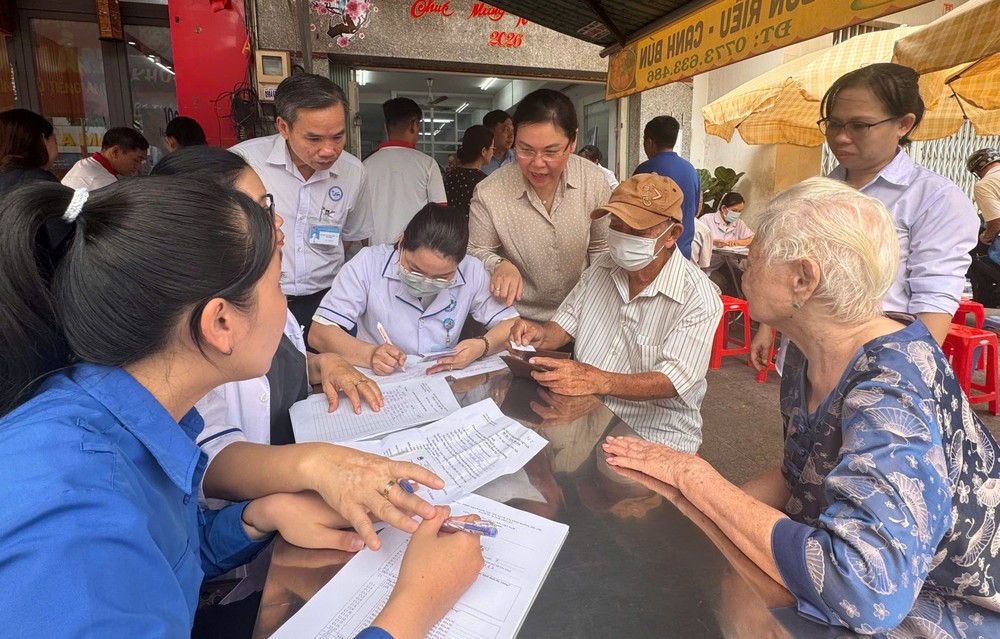
Assoc. Prof. - Dr. Nguyen Anh Dung said HCMC would adopt multiple flexible screening methods to maximize accessibility. In addition to examinations at qualified healthcare facilities, mobile health screening sites will be established at schools, enterprises, and residential areas. Home-based medical examinations will also be provided for frail elderly residents, people living alone, and individuals with limited mobility.
All health data collected through the program will be uploaded to electronic health records to support continuous healthcare monitoring throughout residents’ lives.
The Department of Health has designed three separate health screening packages tailored to different age groups. The estimated budget for the 2026 program is approximately VND2.507 trillion, covering more than 10.3 million health screenings.
Of the total projected funding, more than VND1.515 trillion will be allocated to screenings for approximately 4.5 million informal workers, while nearly VND539 billion will support healthcare services for around 1.6 million elderly residents.
Of the total projected funding, more than VND1.515 trillion will be allocated to screenings for approximately 4.5 million informal workers, while nearly VND539 billion will support healthcare services for around 1.6 million elderly residents.
For the city’s more than 4.5 million formal-sector workers, enterprises and employers will be responsible for organizing periodic health examinations in accordance with existing regulations. Screening costs will be capped at VND350,000 per person per year.
Funding sources will include the State budget, school healthcare funds, employer contributions, and other lawful financial resources.
Ahead of the official rollout, the municipal health sector has already begun preparations. Hospitals and medical centers have been instructed to establish separate health screening areas distinct from regular treatment zones in order to avoid overcrowding and maintain service quality. Mobile screening teams have also been deployed to serve communities directly.
Healthcare development remains a city priority
Speaking at the meeting, Mr. Nguyen Phuoc Loc commended the healthcare sector for its contributions in recent years, praising medical workers for demonstrating responsibility, resilience, and professional expertise in protecting public health and supporting the city’s socio-economic recovery and development.
Drawing from practical experience, he urged the health sector to continue fundamentally reforming its development mindset by shifting away from a sole focus on treatment toward comprehensive population health management, with prevention, preventive medicine, grassroots healthcare, and primary care serving as the foundation.
He stressed that this orientation aligns with major policies of the Party, the State, and the Government, while also addressing urgent challenges posed by rapid population aging, changing disease patterns, and increasingly complex public health risks.
Mr. Nguyen Phuoc Loc emphasized that the universal health screening program is an important political task carrying profound significance for public healthcare protection. Beyond early disease detection, the initiative is expected to establish a comprehensive health database to support long-term governance and policymaking.
He therefore called on the Department of Health to develop the project methodically and scientifically, clearly defining objectives, implementation roadmaps, resource allocation, and the responsibilities of every agency, sector, and administrative level under the principle of “clear people, clear tasks, clear timelines, clear responsibilities, and clear results.”
“This is not solely the responsibility of the healthcare sector,” Mr. Nguyen Phuoc Loc said. “It requires the coordinated participation of the entire political system, including departments, agencies, local authorities, socio-political organizations, businesses, religious organizations, and residents. Only by mobilizing the combined strength of society can the program be implemented effectively and sustainably.”
Regarding long-term healthcare development, he instructed the health sector to align closely with HCMC’s master development plan through 2075. The city must clearly define specialized medical centers, gateway hospitals, grassroots healthcare networks, and community healthcare institutions.
Investment, he said, should go hand in hand with the development of high-quality human resources, modernization of medical equipment, enhancement of professional capacity, and improved public access to healthcare services.
Mr. Nguyen Phuoc Loc also acknowledged the contributions of private healthcare providers and healthcare enterprises, particularly hospital systems and vaccination centers that have actively participated in community healthcare services, preventive medicine, and support for special localities such as Con Dao.
He urged the sector to place greater emphasis on elderly healthcare, rehabilitation services, chronic disease management, quality-of-life improvement, and the creation of healthier living environments for residents.
“The city will continue accompanying and supporting the healthcare sector through mechanisms, policies, and resources so that it can better meet the growing healthcare demands of residents in the new development phase,” he stressed.
According to the HCMC Department of Health, the city currently has a population of approximately 15 million people. Its healthcare network includes 170 hospitals and inpatient medical centers, 168 commune-level health stations, and more than 12,000 private clinics.