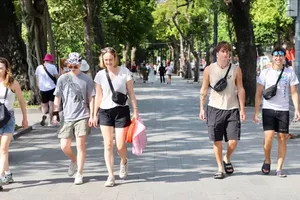
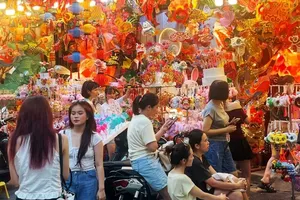
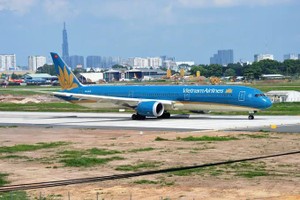
Ho Chi Minh City has recorded strong growth in tourism during the nine-day holiday period marking Hung Kings’ Commemoration Day, National Reunification Day (April 30) and May Day, welcoming nearly 1.7 million visitors and leading the country in both arrivals and tourism revenue.
According to the city’s tourism sector, this surge is not only seasonal but also reflects structural changes in the market, including the rapid introduction of new tourism products, deeper experiential travel, and the rising trend of short-distance trips.
Expanding multi-sensory tourism experiences
Since early April, the city’s tourism industry has launched nearly 1,000 new products and services.
Among the highlights is a helicopter sightseeing tour offering a 40-minute aerial view of the city, priced at over VND4 million (US$152) per passenger. The service uses AW-189 helicopters, which can carry up to 16 passengers, and EC-155B1 aircraft, with a maximum capacity of 12 passengers. Looking ahead, the operator is expected to introduce bundled experiences that combine helicopter sightseeing with activities such as golfing and dinner cruises, offering more diverse and premium tourism options.
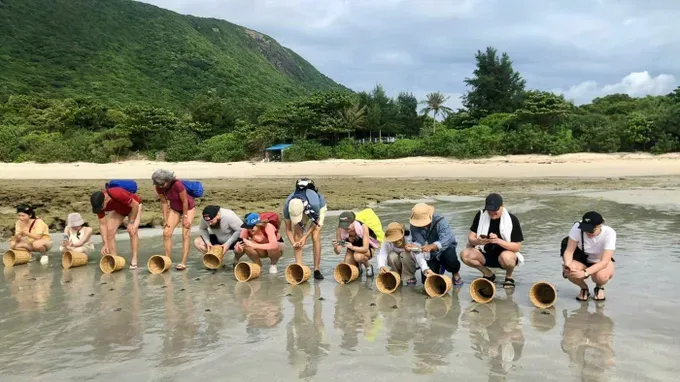
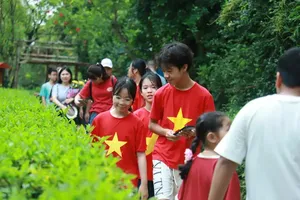
Among young travelers, activity-based and relaxation-oriented tourism products are gaining strong popularity, thanks to their combination of sports, sightseeing and leisure experiences.
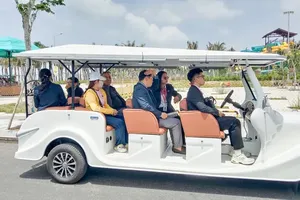
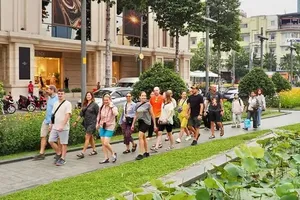
Metro-linked itineraries connecting attractions such as Suoi Tien Theme Park and Van Thanh Tourist Area have also become new choices for many families. In addition, free walking tours, night city tours, explorations of Chinatown (Cho Lon) and local lifestyle experiences continue to be upgraded in terms of service quality.
Furthermore, vintage-style tours such as “Retro Rides,” which use classic cars to explore historic Saigon streets, and heritage-themed journeys like “Saigon Century Heritage” are also attracting visitors.
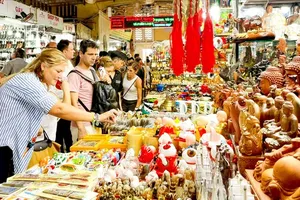
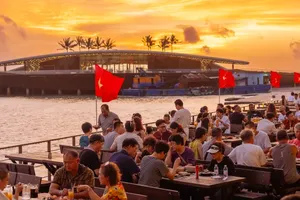
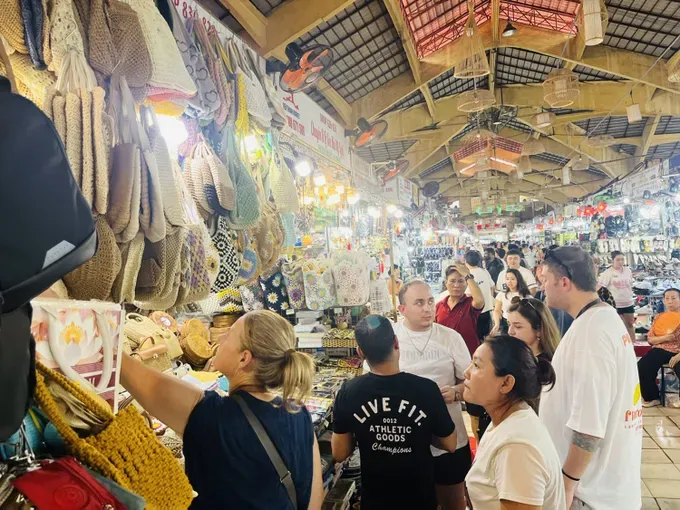
International arrivals are also increasing. During the holiday period, the city welcomed around 190,000 international tourists. Australian visitor David Miller shared his experience: “I was surprised by how many options Ho Chi Minh City offers. In one day, I could visit historical sites in the morning, take a river cruise at sunset, and enjoy street food at night. The city is very dynamic and energetic.”
Building an integrated tourism space
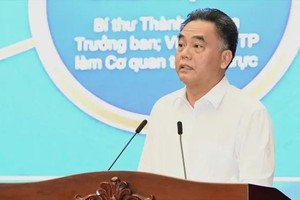
According to Director of the Ho Chi Minh City Department of Tourism Pham Huy Binh, post-merger development has created an “integrated tourism space” built on three pillars, including urban, industrial, and coastal tourism.
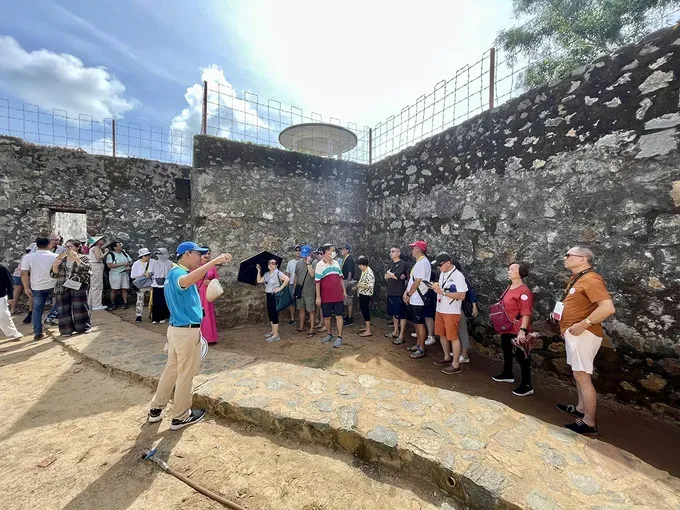
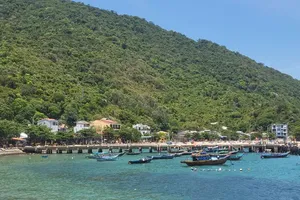
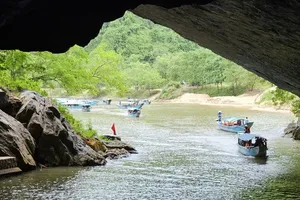
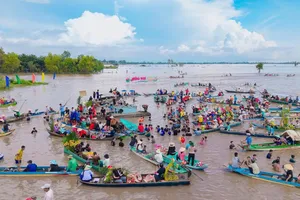
The central area focuses on cultural, festival and event tourism. The Can Gio – Vung Tau corridor develops eco-tourism, resort tourism and cruise tourism. Meanwhile, the former Binh Duong area is oriented toward industrial tourism, craft villages, and river-based ecological experiences.
The city’s strength lies in its ability to combine multiple tourism types within a unified destination, including MICE tourism, cultural and historical tours, river tourism, coastal resorts, eco-tourism and creative industries.
Notably, there is growing demand from foreign business delegations to visit industrial zones in the former Binh Duong area to study investment opportunities, opening a new direction for industrial tourism linked with investment promotion, according to Deputy Director of the municipal Department of Tourism Le Truong Hien Hoa.
Infrastructure and regional linkages driving growth
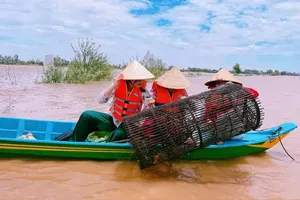
Tourism growth has also been supported by continuous product innovation and service upgrades. A recent three-day survey of community-based tourism in Long Son Commune highlighted strong potential for eco-community tourism linked with local cultural preservation, including traditional salt making, fishing, and coastal spiritual life.
Large-scale tourism and real estate projects are also attracting major domestic and international investors. About 120 kilometers from the city center, Ho Tram has emerged as a key coastal tourism hub with 41 approved tourism projects covering over 660 hectares and billions of US dollar in investment. Many international hotel brands are operating or developing resorts there, including Meliá Ho Tram Beach Resort and Hyatt Regency Ho Tram Residences.
Infrastructure development is also playing a key role. The Bien Hoa – Vung Tau Expressway is expected to significantly shorten travel time between Ho Chi Minh City and the eastern coastal area while easing congestion on National Highway 51.
The DT 994 coastal road connecting Vung Tau – Lam Dong is being upgraded to form a continuous coastal tourism corridor linking high-end resorts in Ho Tram, Binh Chau, Long Hai and Phuoc Hai, considered a “golden coastal route” for tourism experiences.
Tour operators develop inter-regional tourism circuits
Tour operators in HCMC are increasingly building two–four day inter-provincial tours to extend visitor stays. Cultural craft villages such as Lai Thieu pottery, Tan Phuoc Khanh, Tuong Binh Hiep lacquerware, An Thanh rattan weaving and Minh Long ceramics are becoming key stops in tourism routes.
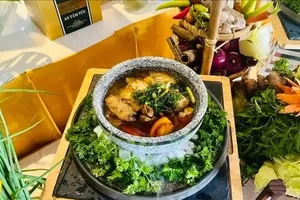
A notable product is the “Culinary Journey” connecting Ho Chi Minh City – Binh Duong – Vung Tau, introduced by TST Tourist. The itinerary combines food experiences such as Ngoc Linh ginseng, pho, and visits to Windmill film studio, Thien Hau Pagoda, and coastal specialties like banh khot, alongside cultural and historical attractions.
Large entertainment complexes such as Dai Nam Tourist Area are also reporting rising visitor numbers, reflecting a clear shift toward suburban and regional tourism experiences.