Immediate implementation of resolutions
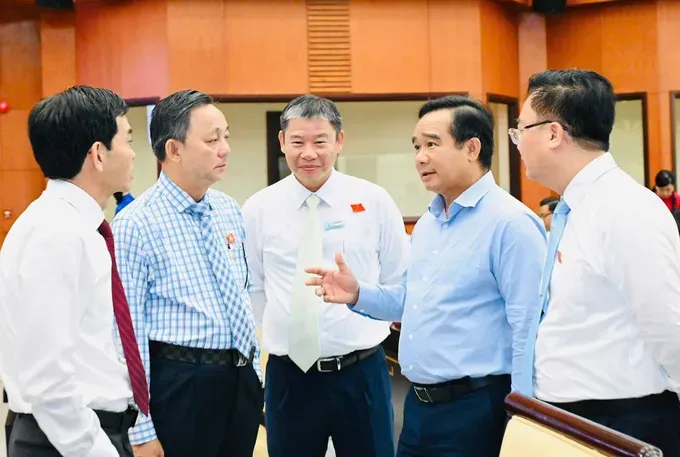
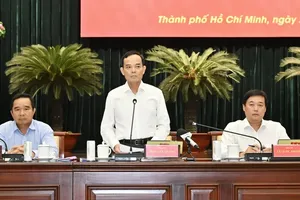
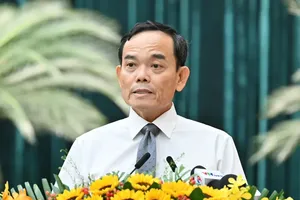
Speaking at the session, Chairman of the Ho Chi Minh City People’s Committee Nguyen Van Duoc said the city had maintained its growth momentum in the first nine months of 2026, laying a positive foundation for the final three-month push of the year. Traditional growth drivers have continued to be strengthened, while new drivers are gradually delivering results.
He noted, however, that the results achieved so far merely provide a foundation, while the pressure in the final three months remains substantial. Ho Chi Minh City must simultaneously achieve growth of at least 10 percent, collect VND1 quadrillion (US$38.5 million) in budget revenue, and complete 100 percent of its public investment disbursement plan.
To achieve these targets, the municipal People’s Committee is committed to making every effort, taking decisive action, and swiftly and effectively implementing the resolutions adopted by the municipal People’s Council. The city will clearly define each task, the lead agency, the completion deadline, and the responsibility of the head of each agency. It will also continue reviewing and finalizing the remaining resolutions to implement the Urban Development Law for submission at the next session.
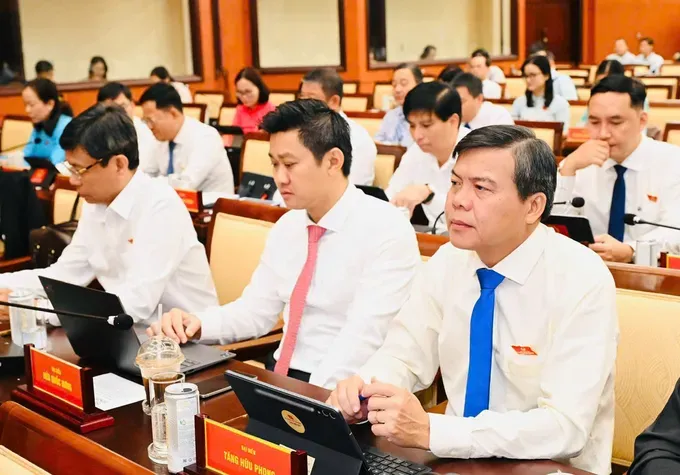
Chairman of the city Nguyen Van Duoc affirmed that the city would continue to accelerate administrative reform and promote decentralization and delegation of authority, coupled with inspection and oversight. The city will take firm action to address buck-passing, avoidance of responsibility, delays in providing policy advice, and slow implementation.
The city will focus on resolving long-standing problems in projects, particularly those capable of boosting disbursement, driving growth, and generating revenue. It will ensure that resources are not further held up by obstacles falling under the responsibility of state management agencies.
The Ho Chi Minh City People’s Committee will also maintain close coordination with the Standing Committee, committees, and members of the municipal People’s Council, promptly reporting and proposing solutions to issues beyond its authority to ensure that mechanisms and policies are implemented in a consistent, coordinated, and effective manner.
· State budget revenue in Ho Chi Minh City has reached approximately VND670 trillion to date, equivalent to 83.5 percent of the annual estimate.
· Public investment disbursement is expected to reach approximately 70 percent of the assigned plan by the end of September 2026.
24 resolutions adopted to implement the Urban Development Law
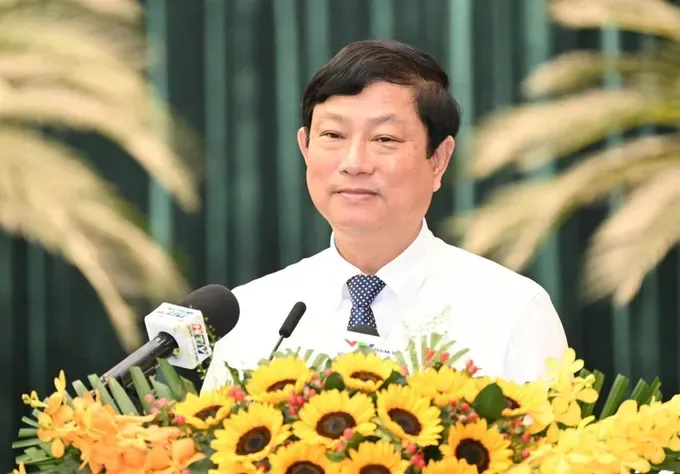
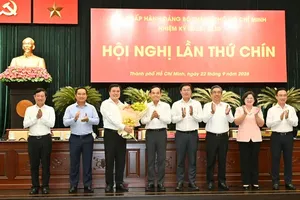
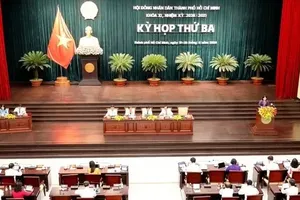
After one and a half days of work, the fifth session of the Ho Chi Minh City People’s Council adopted 38 resolutions, including 24 resolutions to implement the Urban Development Law. The session also addressed personnel matters, including the election of an additional Vice Chairman of the Ho Chi Minh City People’s Committee for the 2026–2031 term.
In his closing remarks, Chairman of the Ho Chi Minh City People’s Council Vo Van Minh called on the municipal People’s Committee to promptly translate the resolutions into programs and plans and begin implementation immediately after the session.
Implementation must clearly define who is responsible, what needs to be done, individual responsibilities, deadlines, and deliverables, while linking implementation results to performance evaluations based on KPIs. During implementation, the municipal People’s Committee must regularly monitor and assess progress to identify difficulties and obstacles, proactively manage risks, strengthen inspection and oversight, and enhance accountability. Any issues arising beyond expectations must be promptly reported to the Standing Committee of the Ho Chi Minh City People’s Council for coordinated action or submitted to the People’s Council for consideration and decision within its jurisdiction.
Regarding the implementation of the Urban Development Law, the Ho Chi Minh City People’s Council will convene additional sessions to consider and adopt necessary resolutions. Chairman of the Ho Chi Minh City People’s Council Vo Van Minh called on relevant agencies to proactively provide policy advice and coordinate preparations to ensure timely submission, stressing the need for urgency without being hasty or subjective.
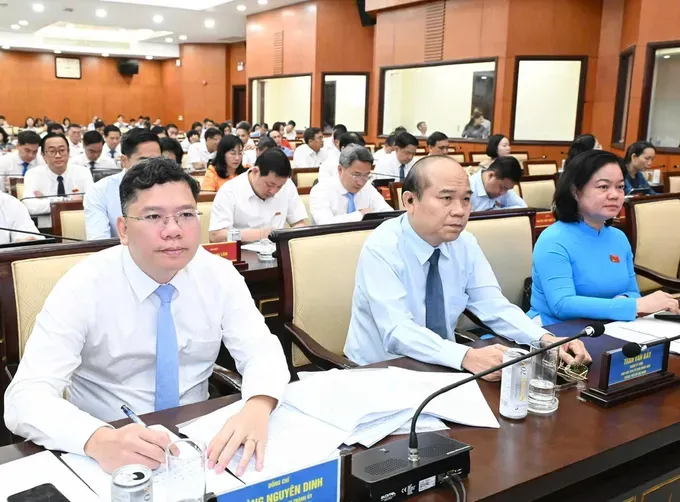
He also requested that every policy, once issued, be within the proper authority and consistent with the legal system. Policies must clearly specify their target groups, eligibility criteria, and responsibilities and be sufficiently specific to facilitate implementation.
Dossiers prepared for the resolutions must undergo comprehensive reviews of their legal and practical foundations, with thorough assessments of their socio-economic impacts, resource and budget requirements, implementation arrangements, and effects on residents and businesses.
Mr. Vo Van Minh called for greater consultation with experts, scientists, businesses, and groups directly affected by the policies, as well as the selective adoption of appropriate experience from developed cities for application to Ho Chi Minh City’s specific circumstances.
“All municipal departments, agencies, local administrations, and relevant organizations must get to work immediately, without waiting or allowing the resolutions to remain on paper. The policy decisions adopted by the Ho Chi Minh City People’s Council must be translated into concrete works and projects, mobilized resources, economic growth, and improved living standards for residents. Fulfilling the assigned tasks is a responsibility to the Party Committee and people of the city. The concrete results achieved in 2026 must continue to lay the foundation for development in the years ahead, with improving people’s living standards as a key objective," said Chairman of the Ho Chi Minh City People’s Committee Nguyen Van Duoc.
Policies directly targeting social welfare
A series of policy decisions on economic development, urban development, infrastructure, and spatial development were adopted at the fifth session of the Ho Chi Minh City People’s Council. Alongside major mechanisms aimed at driving growth, the session also approved a number of policies directly addressing residents’ livelihoods.
Among them, a policy providing financial support for medical examination and treatment costs for people with Stage 5 chronic kidney disease undergoing regular hemodialysis or continuous ambulatory peritoneal dialysis (CAPD) has received strong public support.
Eligible beneficiaries are people who have resided in Ho Chi Minh City for more than 12 months and belong to one of the following groups: children aged 6–15; households that have exited the near-poor category within the previous 36 months; and people aged 60 or above who are living alone, without family support, or are single and have low incomes.
The city is expected to allocate approximately VND10.5 billion annually from the state budget to implement the policy. The measure will not require additional staff and will make use of the existing medical examination and treatment management system and integrated residential data.
Another policy reflects a social welfare approach that links support with contributions to the community by providing health insurance contributions for voluntary blood donors. Under the draft resolution, Ho Chi Minh City residents who have made at least 20 voluntary blood donations, do not yet have health insurance cards, and continue to donate blood at least twice a year at the time their eligibility is assessed will receive support for their health insurance contributions.
The policy will apply to people with either permanent or temporary residence in the city. Funding is expected to come from the state budget, at approximately VND10.32 billion annually, without increasing the size of the administrative apparatus.
The people-centered approach is also reflected in a policy allowing compensation, support, and resettlement work to be carried out independently before investment policy approval.
The resolution sets out the criteria, conditions, procedures, and processes for public investment projects; public-private partnership (PPP) projects using local budget funds or other lawful local sources; projects that need to be implemented immediately; and urgent or emergency construction investment projects carried out at the direction of the central government and Ho Chi Minh City.
Being able to proactively undertake compensation, support, and resettlement at an earlier stage is expected to shorten project preparation time and accelerate implementation.
Home renovations that do not alter structural load-bearing components do not require a permit
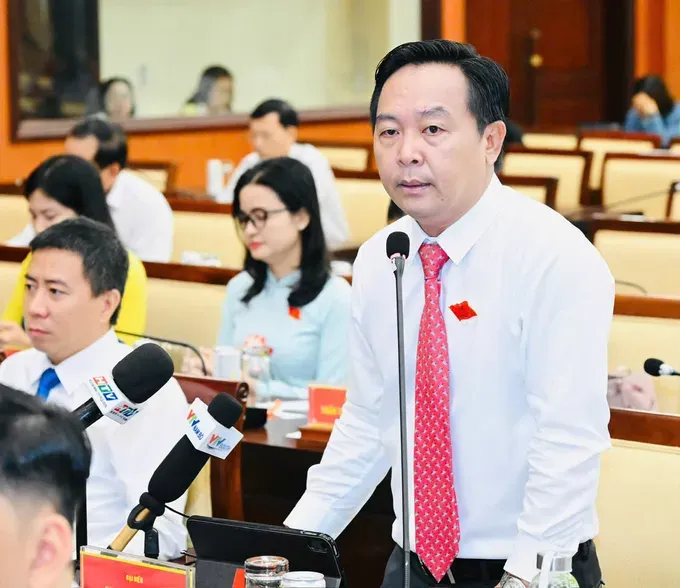
During the discussion, delegate Phan Thanh Tan called for clarification on the proposed suspension of electricity and water supplies to violating construction projects and production and business establishments, particularly cases involving home renovations.
He said clear distinctions should be made between “renovation” and “construction” to avoid differing interpretations.
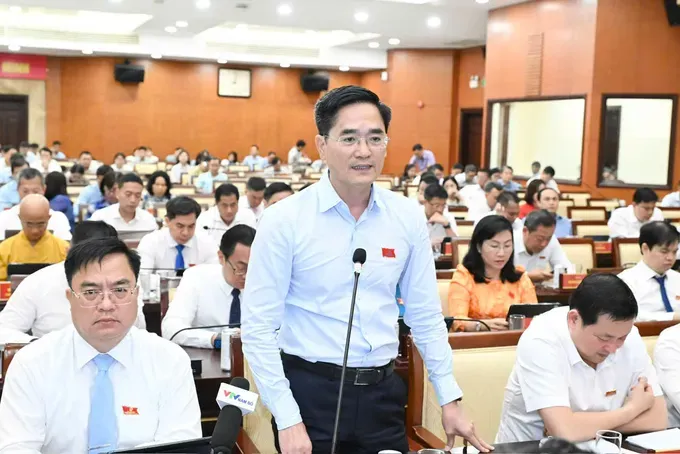
On this issue, Director of the Ho Chi Minh City Department of Construction Tran Quang Lam affirmed that renovations that do not affect or alter a building’s load-bearing structure do not require a construction permit. Where the law requires a permit, it must be obtained and the regulations strictly complied with. Enforcement measures will apply only to violations in construction activities.
Regarding the issue, Chairman of the Ho Chi Minh City People’s Council Vo Van Minh stressed that illegal construction must be dealt with decisively from the outset. Structures that must be dismantled to hand over cleared sites during compensation and site clearance should not be allowed to remain until forced demolition becomes necessary.
The suspension of electricity and water supplies may also be applied to permitted structures that commit serious environmental violations, as well as karaoke venues and dance clubs that fail to meet fire prevention and firefighting safety requirements but continue to operate despite the violations.