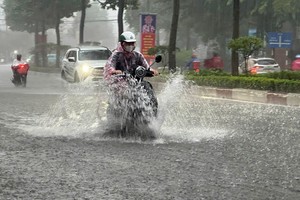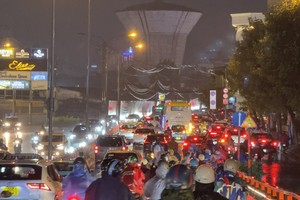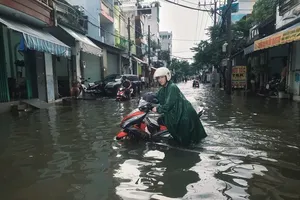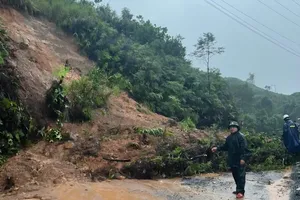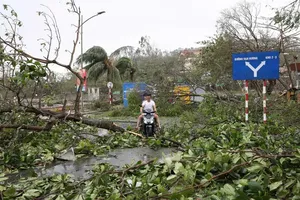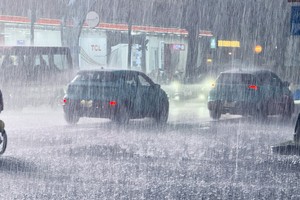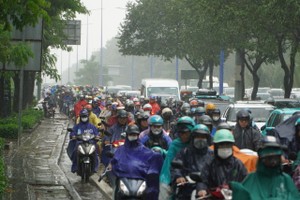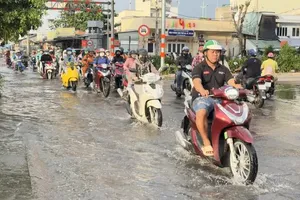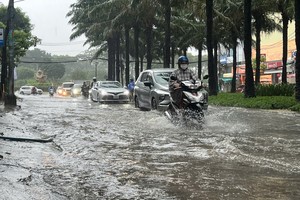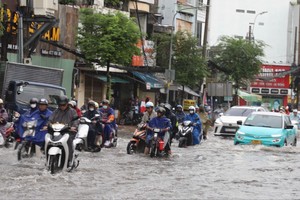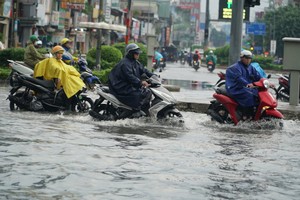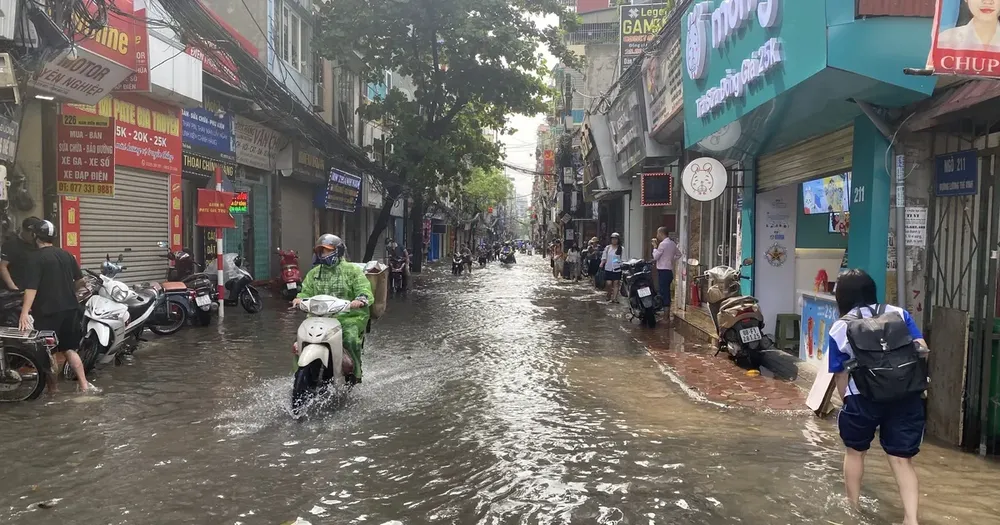
According to the Ministry of Agriculture and Rural Development, the Central Highlands and Southern regions are forecast to experience moderate to heavy rainfall from July 27 through the night of July 28. Accumulated rainfall is expected to reach 40 to 100 millimeters, with some localized areas recording over 200 millimeters.
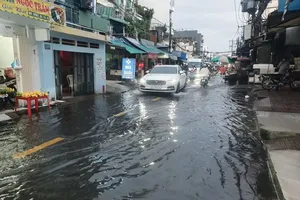
Meteorologists warned that rainfall exceeding 100 millimeters within a three-hour window could hit several areas, significantly heightening the risk of urban and lowland inundation, industrial park flooding, flash floods along small streams, and landslides in mountainous zones.
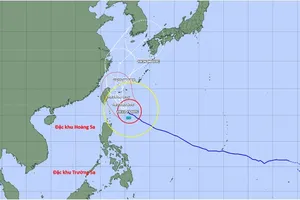
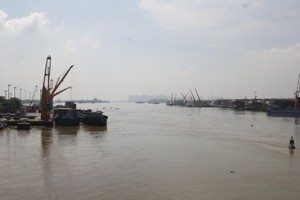
At sea, conditions remain hazardous. The maritime zone stretching from Khanh Hoa to Ho Chi Minh City, along with the western part of the central and southern East Sea, including the western waters off the Truong Sa (Spratly) Islands, is projected to face strong southwesterly winds reaching level 6 (39–49 km/h) with gusts up to level 7 (50-61 km/h)– level 8 (62–74 km/h), generating wave heights of 2 to 3 meters.
In response, the National Steering Committee for Civil Defense dispatched an urgent directive to 19 Central and Southern localities. The committee requested local authorities to closely monitor weather updates and issue timely warnings to community officials and residents to ensure proactive risk prevention.
The affected localities include Thanh Hoa, Nghe An, Ha Tinh, Quang Tri, Hue, Da Nang, Quang Ngai, Gia Lai, Dak Lak, Khanh Hoa, Lam Dong, Dong Nai, Ho Chi Minh City, Tay Ninh, Dong Thap, Vinh Long, Can Tho, Ca Mau, and An Giang.
Local authorities have been instructed to inspect high-risk areas prone to deep flooding, flash floods, and landslides, and to proactively evacuate residents to safer locations. Localities must also mobilize personnel and resources under the "four on-the-spot" principle—ensuring leadership, forces, materials, and logistics are prepared locally—to handle any emerging emergencies promptly.
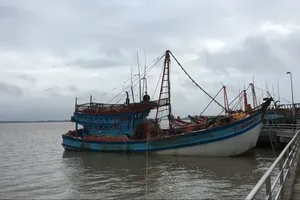
For coastal provinces and cities, the committee urged local agencies to inform vessel owners, captains, and fishermen operating at sea about the strong winds. This will allow them to take preventive measures, adjust operational plans, and safeguard lives and assets. Continuous communication channels must be maintained to address potential incidents without delay.
In addition, local authorities are tasked with stepping up public communication efforts, offering guidance on emergency responses to heavy rain, thunderstorms, tornadoes, lightning, hail, flooding, flash floods, landslides, and strong gales at sea. Local agencies have been ordered to maintain 24/7 duty status, closely track developments, and regularly report updates to the National Steering Committee for Civil Defense.