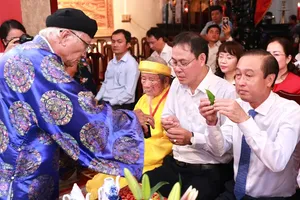
On December 17, the Vietnam Fatherland Front Committee in Ho Chi Minh City, in coordination with the city’s Social Insurance Agency, organized a program to distribute health insurance cards to needy people in 2026.
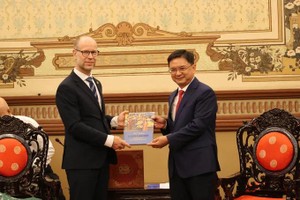
During the event, the Vietnam Fatherland Front Committee in Ho Chi Minh City and the city’s Social Insurance Agency received support from various organizations and businesses totaling more than VND2.8 billion (approximately US$106,270), including over VND1 billion (US$38,000) from Vietcombank’s Ho Chi Minh City branch, while several other sponsors contributed over VND50 million (US$1,898) each.
Using these funds, the Ho Chi Minh City Social Insurance Agency plans to distribute more than 3,000 health insurance cards to underprivileged residents across the city. At the event, the Organizing Committee presented 50 health insurance cards and 50 gifts to 50 disadvantaged people in Tan Hung Ward.
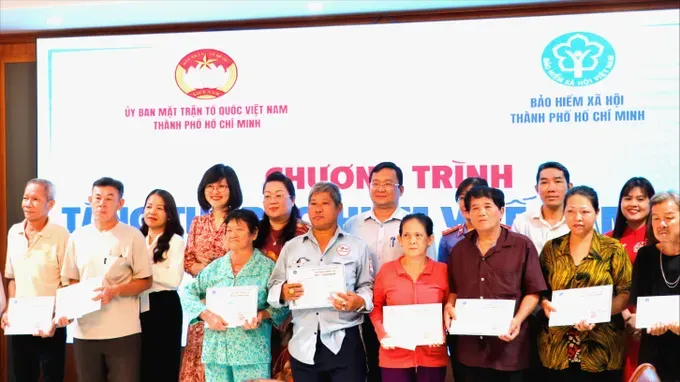
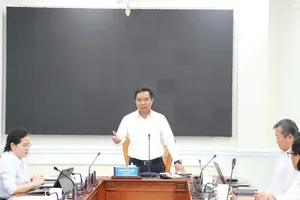
Mr. Phan Hong An, Vice Chairman of the Vietnam Fatherland Front Committee in Ho Chi Minh City, emphasized that the health insurance card distribution program is a meaningful social initiative. It enables residents to access health insurance and receive better healthcare, contributing to social welfare for vulnerable groups. The program also reflects the Party and State’s commitment to ensuring that no one is left behind.
Deputy Director of the Ho Chi Minh City Social Insurance Agency, Nguyen Hong Hanh, stated that over the past five years, the Agency has closely collaborated with the Vietnam Fatherland Front Committee in the city, as well as various organizations and individuals, to conduct multiple campaigns distributing social insurance books and health insurance cards to underprivileged residents. Each health insurance card carries not only material value but also a message of solidarity, ensuring that citizens can access medical services with confidence when facing illness. Through these efforts, the health insurance policy has effectively become a protective “shield” safeguarding both the health and financial well-being of the population, particularly among vulnerable groups.