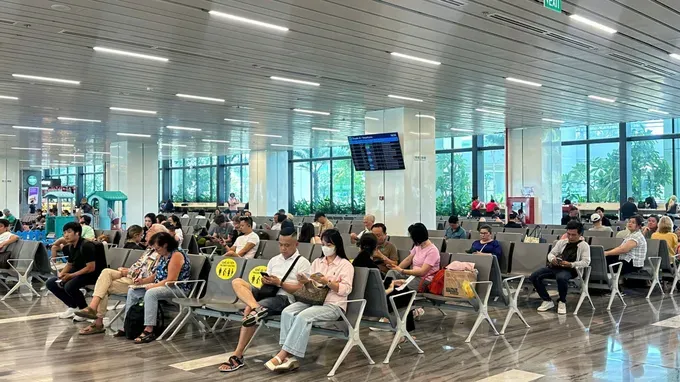
This assurance of transport services across all modes of transport, including road, urban rail, waterways, and aviation.
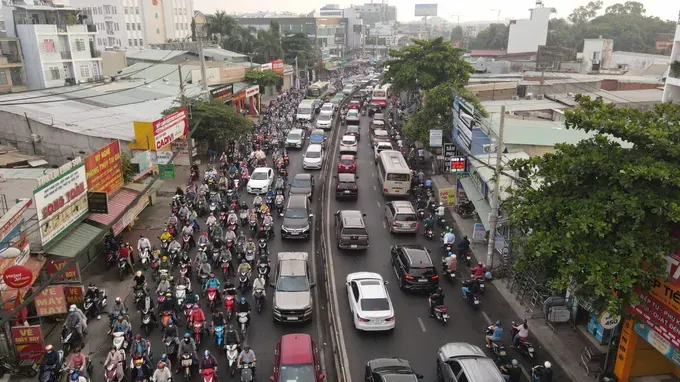
Passenger traffic is forecast to increase sharply this year compared to the same period, concentrating at key transport hubs such as Tan Son Nhat Airport, interprovincial bus stations, railway stations, and central areas of the city. Gateway routes, including the Ho Chi Minh City – Long Thanh – Dau Giay Expressway, National Highway 13, and National Highway 51, as well as tourist destinations such as Can Gio, Vung Tau, and Suoi Tien, are expected to experience a sudden surge in traffic volume.
In the public transport sector, the bus system is expected to serve an average of more than 1.5 million passenger trips per day, an increase of about 10 percent compared to last year. Metro Line No. 1 (Ben Thanh – Suoi Tien) will continue to play a key role, with an estimated transport volume of 90,000 to 95,000 passengers per day during peak periods.
To meet demand, Metro Line No. 1 will increase train frequency and extend operating hours from 5 a.m. to 11 p.m., with intervals of 5–15 minutes per trip, helping to ease pressure on road traffic. The city will also flexibly adjust bus operation schedules and increase services on routes connecting the airport, bus stations, and tourist areas.
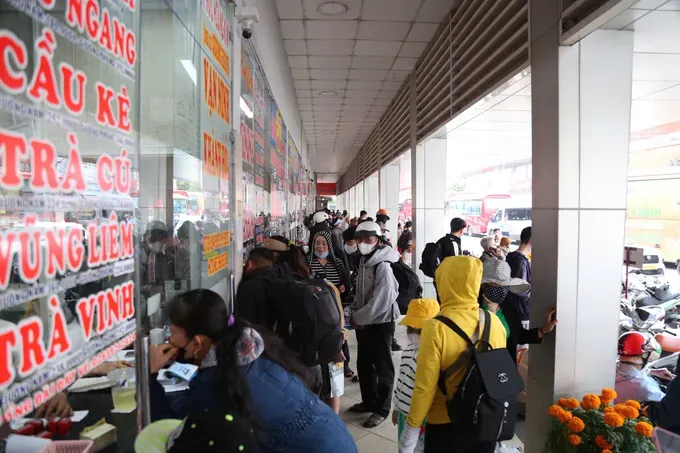
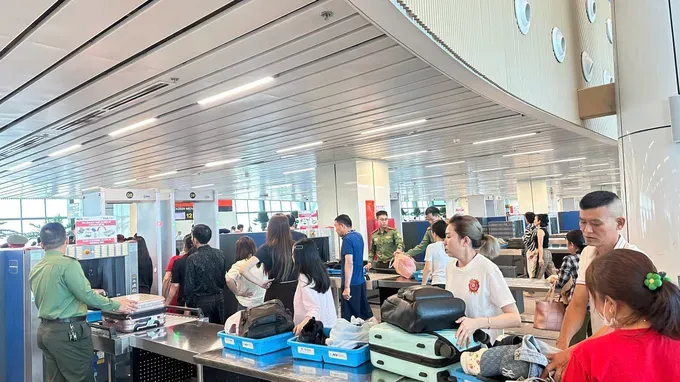
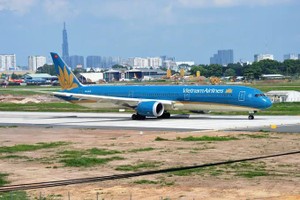
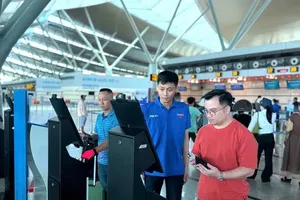
At interprovincial bus stations, passenger volume is expected to reach nearly 90,000 passengers per day during the holiday period. Tan Son Nhat Airport is forecast to handle around 130,000 passengers per day. River bus routes, ferries, and high-speed boats to Vung Tau and Con Dao are also required to develop plans to increase service frequency.
In addition, traffic safety assurance measures are being tightened. Transport operators are required to thoroughly inspect the technical condition of vehicles and drivers’ health while strictly prohibiting overloading or unlawful fare increases. Traffic police forces will intensify patrols and inspections at gateway areas and congestion hotspots, while also implementing flexible traffic diversion plans to reduce prolonged congestion.
At ferry terminals such as Cat Lai and Binh Khanh, increased service frequency must go hand in hand with requirements to ensure adequate safety equipment, life-saving facilities, and fire prevention and firefighting systems.
The city is also stepping up the application of technology in traffic management and operations. Camera systems and traffic lights are being continuously monitored to enable timely adjustments in line with real-time conditions. Traffic information is updated through electronic boards, mobile applications, and social media, helping residents proactively choose their travel routes. Transport operators are required to publicly disclose fares, schedules, and hotline numbers to support passengers.
With synchronized preparations in place, Ho Chi Minh City aims to prevent shortages of transport services and prolonged traffic congestion during the holiday period.
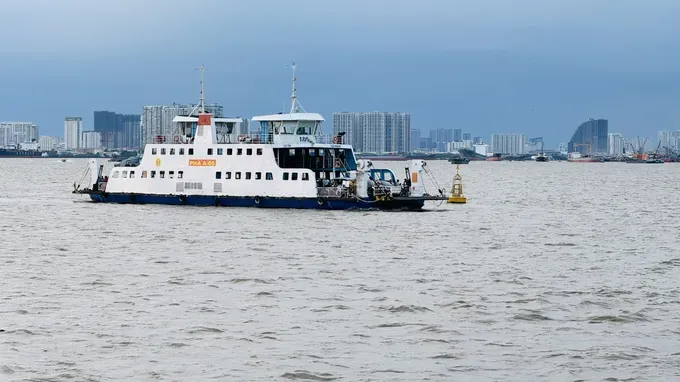
On the morning of April 25, Director of the Ho Chi Minh City Youth Volunteer Ferry Management Enterprise, Nguyen Chien Thang, said that the unit had proactively developed traffic management plans early for both the Cat Lai and Binh Khanh ferry terminals. During peak days, all 15 ferries will be put into operation to disperse vehicle density and reduce congestion at both ends of the terminals.
In addition, the unit is closely coordinating with traffic police and local public security forces to implement early traffic diversion measures, ensuring public order and safety, and facilitating safe and convenient travel for residents.
Ferry fares remain unchanged from normal days. Exemption and discount policies continue to be applied in accordance with regulations for priority vehicles, students, and children under 10 years of age.










)