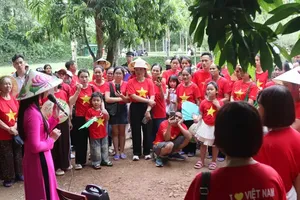
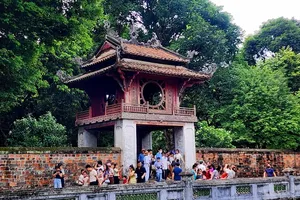
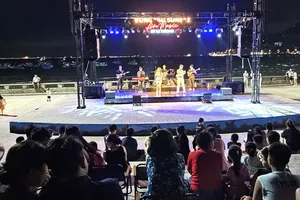
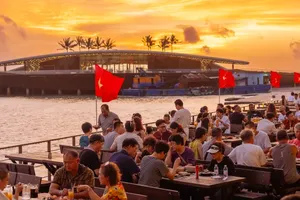
The listing of Mui Ne among Booking.com’s top 10 global trending destinations for 2026, alongside Bilbao (Spain), Barranquilla (Colombia), Philadelphia (the United States) and Guangzhou (China) underscores a shift toward more distinctive and experience-led tourism in Vietnam.
For years, Vietnam’s tourism advantage has largely relied on natural resources and competitive costs.
This approach supported rapid expansion but also led to overexploitation and a gradual loss of identity. Mui Ne’s appearance in global trend reports highlights a move toward more narrative-driven and personalized tourism.
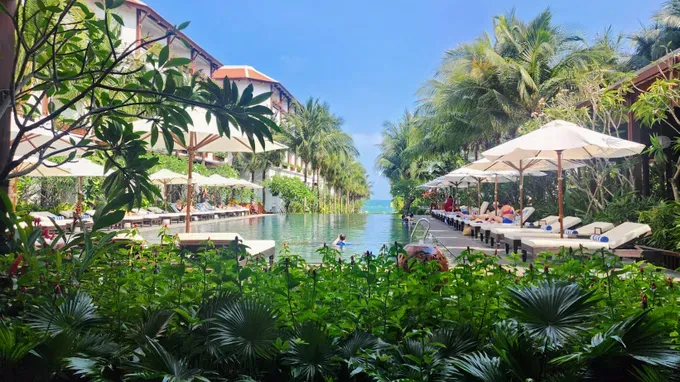
This shift is taking place across the country. Da Nang is emerging as a center for events and luxury resorts, Phu Quoc is building integrated resort destinations, while the capital city of Hanoi and Ho Chi Minh City are leveraging cultural richness and dynamic urban life. All point to a move from passive resource use to active experience design.
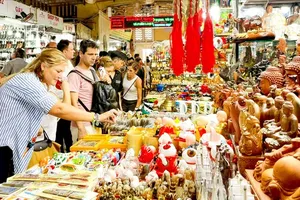
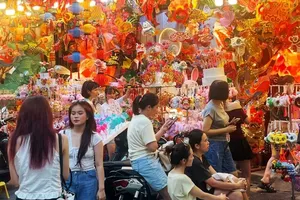
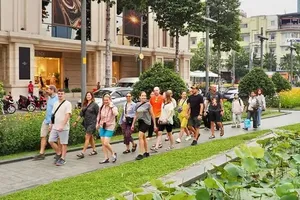
At the same time, tourists are seeking deeper experiences, moving away from “check-in” travel toward more meaningful journeys. This trend creates opportunities for community tourism, turning local spaces into valuable tourism assets. However, opportunities come with challenges. As destinations gain popularity, the risks of overcrowding and over-commercialization increase. The key issue is no longer how many visitors to attract, but how to maintain the quality of experiences as numbers grow, requiring coordinated efforts in planning, management and community awareness.
Recognition can provide an initial boost, but long-term value lies in preserving identity, continuously innovating products and adapting to changing trends. As more destinations move in this direction, Vietnam’s tourism sector has the potential to build a more diverse and sustainable ecosystem.








)