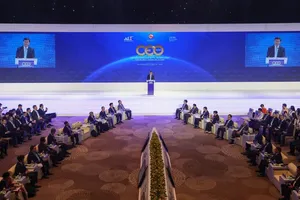
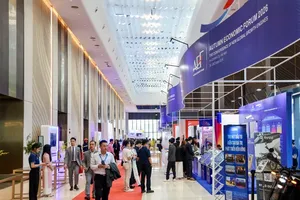
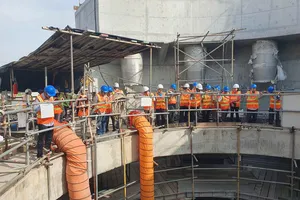
Ho Chi Minh City has just issued a list of large-scale investment projects for the 2026-2030 period, ranging from logistics and high technology to environment and urban infrastructure. In the context of a restructuring of global capital flows, this list opens up significant opportunities to attract investment into the economy.
According to Pham Binh An, Deputy Director of the Ho Chi Minh City Institute for Development Studies, the city is expanding its urban space into a multi-centered megacity model, where industrial, logistics, and service hubs are connected into a continuous value chain. This structure explains the investment attraction portfolio, focusing on sectors with the potential to spread and drive growth.
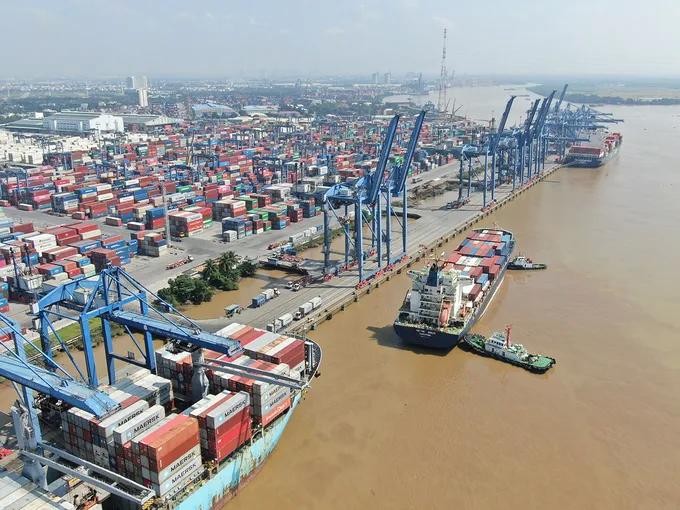
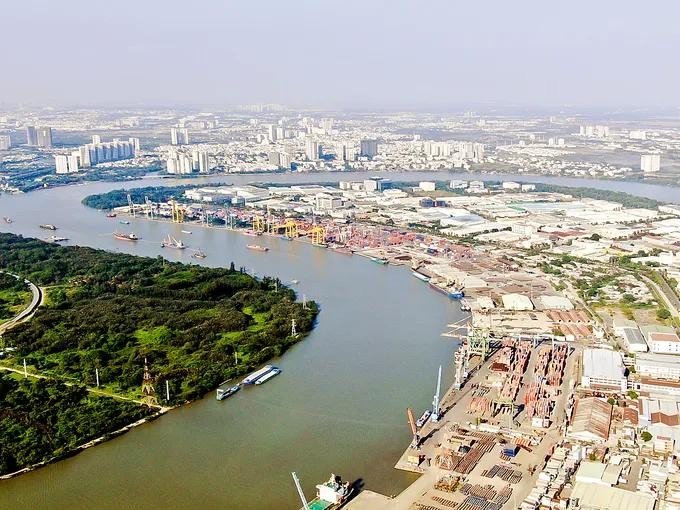
In particular, the logistics and port project group is identified as one of the pillars, with large-scale projects such as My Xuan 6 port, Long Son general port, and the Long Binh ICD cluster. These are not just individual infrastructure projects but links in the inter-regional logistics chain, directly connecting to the Cai Mep - Thi Vai port cluster and the Southeast region's transportation system.
Along with that, the city is expanding and upgrading 105 industrial parks with over 49,000 hectares, and implementing strategic infrastructure projects such as the Can Gio international transshipment port, the Cai Mep Ha logistics center, and the chain. Offshore wind power with a capacity of 15,000 MW will contribute to reducing transportation costs and enhancing export competitiveness.
The investment attraction strategy is also shifting strongly towards high-tech fields, the digital economy, and green development, with data centers, research, incubation, and high-tech manufacturing facilities playing a fundamental role in deeper participation in the global value chain.
Removing bottlenecks to attract capital flows
The expanding investment portfolio has created new development opportunities, but the critical issue lies not in the number of projects, but in the ability to convert them into actual capital flows for implementation. Nguyen Thanh Toan, Deputy Director of the Ho Chi Minh City Department of Finance, said the state budget currently meets only about 20 percent–25 percent of investment demand, forcing the city to adopt a multi-tiered capital mobilization model in which the private sector and FDI play a decisive role.
According to Truong Tuan Anh, General Director of the Ho Chi Minh City State Financial Investment Company, a viable approach is to leverage “seed capital” from the budget to guide social capital flows. Data from 2015–2020 show that with VND2.854 trillion in interest rate subsidies, the city mobilized more than VND26.686 trillion in investment capital, equivalent to each Vietnamese dong of public funds attracting about VND9.35 in private capital. However, for this mechanism to work effectively, it requires an open and flexible policy framework to ensure capital flows into priority sectors.
Foreign business associations continue to view Ho Chi Minh City as a highly attractive destination. Bruno Jaspaert, President of the European Business Association in Vietnam, noted that up to 93 percent of European businesses are willing to recommend Vietnam as an investment destination. “The global investment market has reached approximately US$1.6 trillion, while Vietnam has attracted only about US$2 billion, indicating substantial untapped potential if appropriate mechanisms are put in place,” said Robert Kraybill, Investment Director of the IIX Fund.
On solutions, Travis Mitchell, CEO of the American Chamber of Commerce in Vietnam (AmCham), said the city should prioritize building a stable, transparent and predictable investment environment to enhance capital attraction. Key measures include simplifying administrative procedures, shortening licensing timelines, ensuring consistency in tax and customs policy implementation, and refining the legal framework for the digital economy in line with international standards.
To retain and expand long-term capital flows, the city must accelerate the development of the International Finance Center, improve capital market transparency and strengthen dispute resolution mechanisms. At the same time, it should step up investment in integrated logistics infrastructure, energy and high-quality human resources.
Experts say that, amid limited budget resources, developing market-based capital mobilization tools such as public-private partnerships (PPP), green bonds and infrastructure investment funds will help supplement funding while fostering more sustainable capital inflows.