On June 12, the Nature Conservation and Biodiversity Agency under the Ministry of Agriculture and Environment, in collaboration with World Wide Fund for Nature in Vietnam (WWF-Vietnam) organized the event.
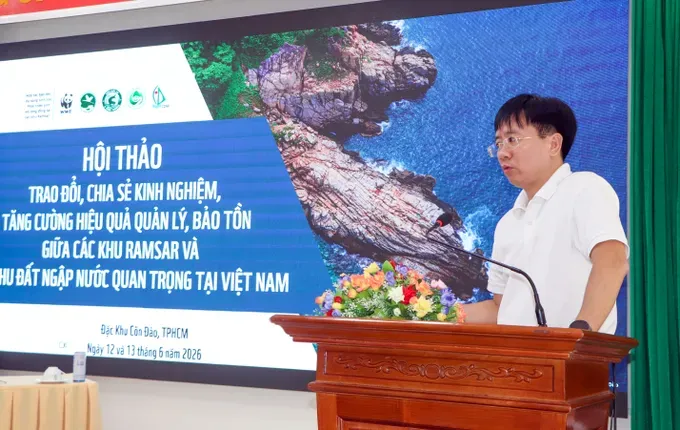
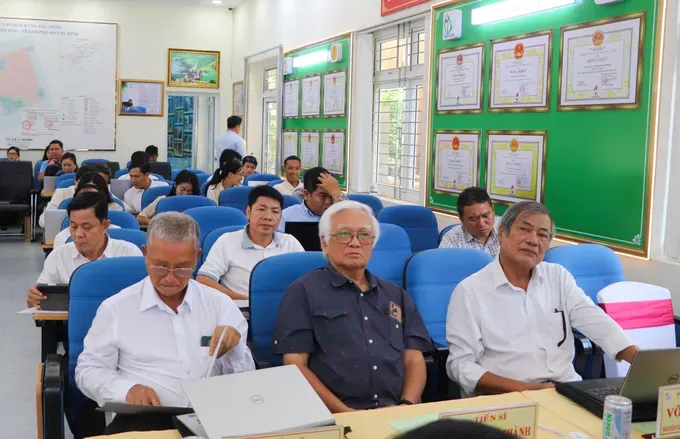
The two-day workshop, held on June 12-13, brought together representatives from Vietnam’s nine Ramsar sites, along with government officials, conservation experts and environmental organizations.
Mr. Bui Minh Thanh, Vice Chairman of the Ho Chi Minh City People’s Committee, attended the workshop.
The results of the discussions will be synthesized into a set of recommendations for government agencies and local authorities to bolster technical and financial assistance and promote greater coordination among Ramsar sites.
Representatives of the Nature Conservation and Biodiversity Agency emphasized that Vietnam’s Ramsar sites are not only valuable natural heritage areas but also vital foundations for the livelihoods of many local communities. Developing technical tools and strengthening cooperation among localities are essential to effectively implementing Vietnam’s commitments under the Ramsar Convention and the National Biodiversity Strategy through 2030.
Since joining the Ramsar Convention in 1989, Vietnam has designated nine Ramsar sites covering over 120,500 hectares. These wetlands are home to thousands of plant and animal species, many of them rare or endangered.
Beyond conserving biodiversity, Ramsar sites deliver critical ecosystem services, including water regulation, coastal protection, carbon sequestration and storage, community livelihood support and ecotourism development.
However, these sites are facing increasing pressure from climate change, sea-level rise, saltwater intrusion, environmental pollution, overexploitation of natural resources and infrastructure development. Many areas also struggle with limited resources, weak interagency coordination mechanisms, insufficient monitoring capacity and challenges in updating biodiversity data.
Experts warned that without effective management measures, biodiversity values and ecosystem services will continue to decline, directly affecting local livelihoods and reducing communities’ resilience to climate change.
In response to these challenges, the workshop brought together stakeholders to share experiences and explore solutions for biodiversity conservation, ecological monitoring and wetland restoration.
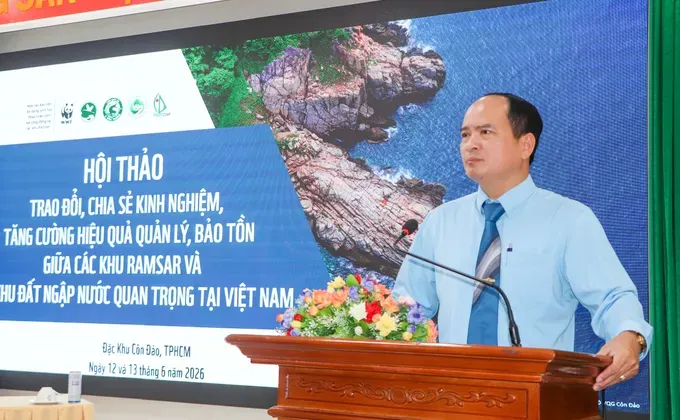
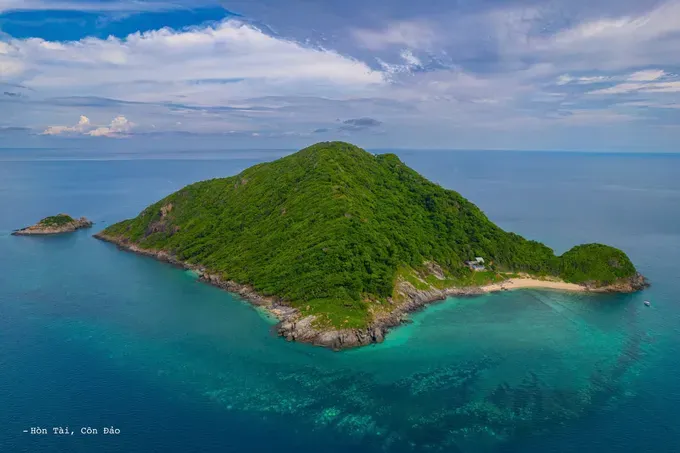
Mr. Nguyen Khac Pho, Director of Con Dao National Park, said that the Con Dao Ramsar site is home to a wide range of terrestrial and marine species, including many rare, endangered and endemic species.
Con Dao is also one of Vietnam’s most important sea turtle conservation areas. On average, around 700 female turtles come ashore each year on beaches within Con Dao National Park to nest and lay eggs. Approximately 150,000 hatchlings are rescued, incubated and released back into the sea annually. By hosting the event in Con Dao, organizers allowed participants to gain firsthand insights into the management of a Ramsar site characterized by its unique marine and island ecosystems.
One of the workshop’s key agendas was to gather feedback on draft technical guidelines for biodiversity monitoring, wetland restoration, updating Ramsar Information Sheets and preparing periodic reports.
Participants viewed this as an important step toward standardizing management approaches, strengthening institutional capacity and improving conservation effectiveness across Ramsar sites nationwide.
Mr. Hoang Viet, Director of WWF-Vietnam’s Freshwater Program, stressed that Ramsar sites do not exist in isolation but are closely connected to river systems, local livelihoods and surrounding communities.
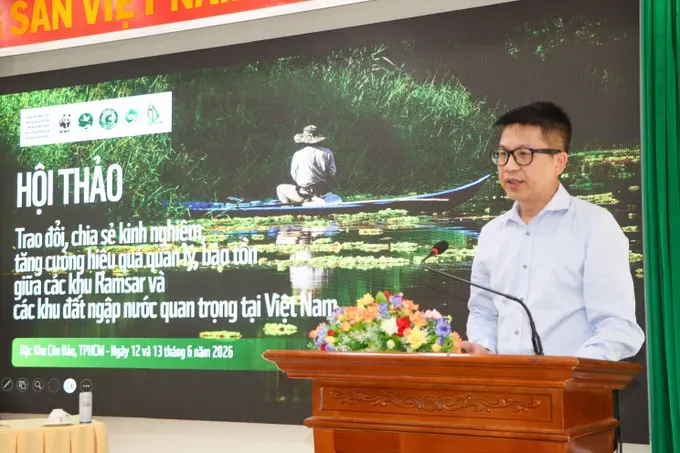
According to him, wetland conservation and restoration activities not only help protect biodiversity but also enhance climate resilience, safeguard water and food security, and sustain local livelihoods.
The workshop was held within the framework of the project “Community Livelihood Development and Biodiversity Conservation at Three Ramsar Sites,” implemented by WWF-Vietnam from 2025 to 2028 in Lang Sen, U Minh Thuong and Mui Ca Mau.
The project aims to improve the management effectiveness of Ramsar sites, restore wetland ecosystems and strengthen climate adaptation capacity. It is also considered an important solution for conserving internationally significant wetlands while contributing to Vietnam’s sustainable development and biodiversity conservation goals.