On the afternoon of March 12, Mr. Bui Minh Thanh, Vice Chairman of the People’s Committee of Ho Chi Minh City, signed Decision No. 1418/QD-UBND on the plan to implement the national strategy on disaster prevention and control through 2030, with a vision to 2050, across the city.
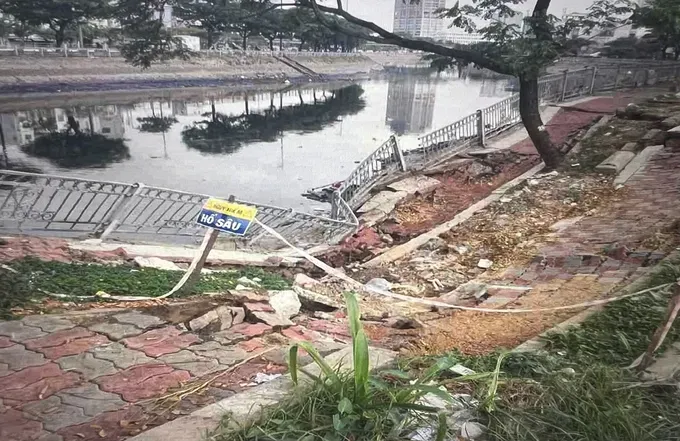
Under the plan, disaster prevention and control efforts will be carried out under the principle of “four-on-the-spot” and “three readiness,” emphasizing proactive response at the grassroots level and the responsibility of heads of agencies and organizations.
The plan aims to reduce disaster-related damage by about 50 percent by 2030 compared with the 2015–2025 period. It also targets that 100 percent of government agencies at all levels, organizations and households will have full access to information and skills for disaster prevention.
Personnel involved in disaster prevention and control will receive training and necessary resources, while the city strengthens monitoring, forecasting, warning and information dissemination.
In addition, Ho Chi Minh City will build and complete a synchronized disaster prevention database system with real-time connectivity to support management and decision-making.
The city will also enhance forecasting and early-warning capacity by investing in and upgrading meteorological and hydrological monitoring systems, developing disaster risk maps and response scenarios aligned with climate change and sea-level rise.
Funding for the plan will come from the state budget, the city’s disaster prevention and control fund, international support and other legitimate mobilized sources.

















)




