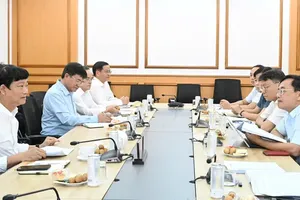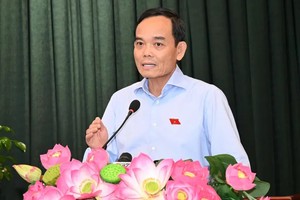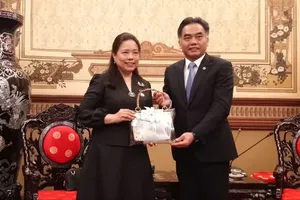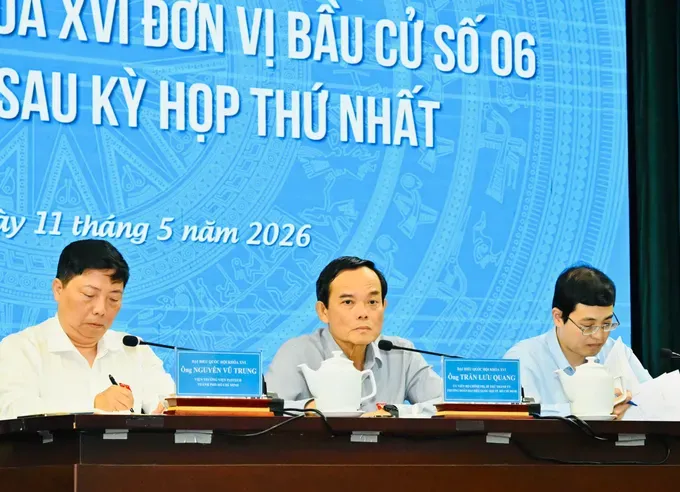
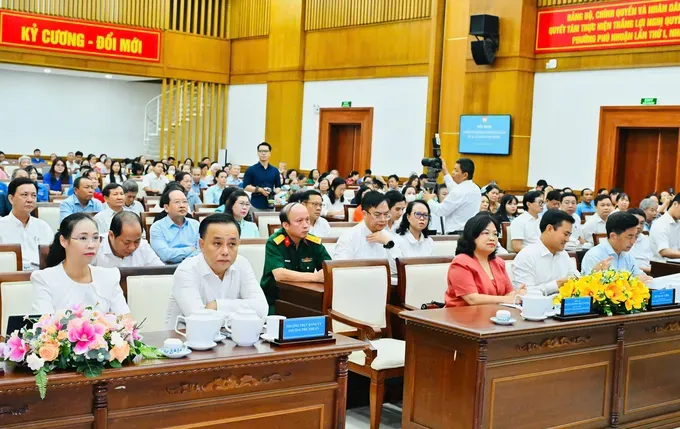
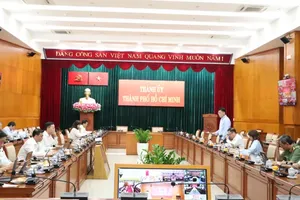
On the morning of May 11, the Ho Chi Minh City delegation of National Assembly deputies from Constituency Unit No. 6 held a voter meeting following the first session of the 16th National Assembly in the wards of Saigon, Tan Dinh, Ben Thanh, Cau Ong Lanh, Ban Co, Xuan Hoa, Nhieu Loc, Phu Nhuan, Cau Kieu, Duc Nhuan, Tan Son Nhat, and Tan Son Hoa. The meeting was conducted in both in-person and online formats.
The Ho Chi Minh City Delegation of National Assembly deputies from Constituency Unit No. 6 includes Secretary of the Ho Chi Minh City Party Committee, Tran Luu Quang, who is head of the city’s 16th-term National Assembly delegation; member of the National Assembly’s Committee for Legal and Judicial Affairs and Vice Chairman of the Vietnam–Switzerland Parliamentary Friendship Group, Do Duc Hien; and Director of the Pasteur Institute in Ho Chi Minh City, Nguyen Vu Trung.
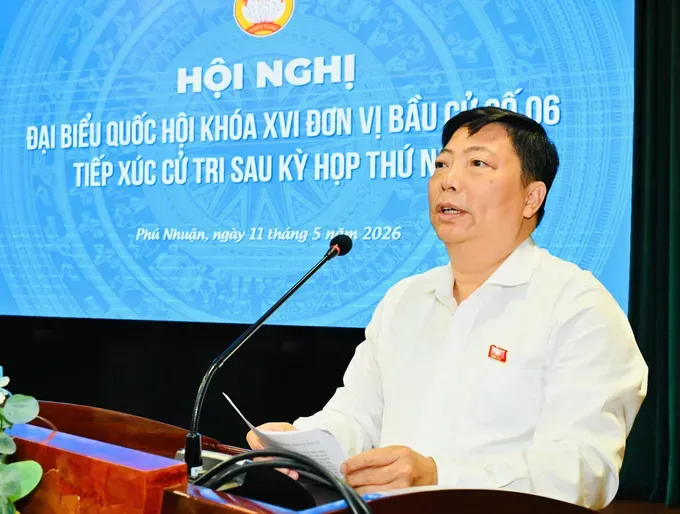
At the meeting, voters from wards expressed concern over issues related to digital transformation, administrative reform, social housing, and food safety.
Voter Nguyen Thu Ha from Saigon Ward highlighted the reality that workers still face numerous difficulties in accessing social housing.
The voter proposed that the Ho Chi Minh City delegation of National Assembly deputies from Constituency Unit No. 6 pay greater attention to the issue and recommend that the National Assembly, the Government, and relevant agencies continue reviewing and refining social housing policies to better align with practical conditions, particularly for workers in major urban centers and industrial parks.
The voter also proposed studying more preferential, stable, and sustainable long-term credit mechanisms for social housing buyers. Such measures would help people, especially low- and middle-income workers, feel more secure in taking out home loans and ease the financial burden during the repayment process.
Voters further called for stronger connectivity and integration of citizen, land, and housing data in order to simplify approval procedures, reduce manual verification steps, and minimize the need for residents to repeatedly travel to submit additional documents. The effective application of digital data would help make the process of approving eligible buyers and lease-purchase beneficiaries for social housing more transparent, convenient, and efficient.
Voters also proposed that the planning and development of social housing projects should be closely linked with public transport systems, schools, healthcare facilities, industrial parks, and other essential amenities. This, they said, would help ensure convenient living, learning, healthcare, and working conditions for residents.
In addition, voters called for mechanisms to encourage the diversified development of social housing models, including worker accommodation and affordable rental housing, in order to better support young workers, laborers, civil servants, newly employed individuals, and other groups with genuine housing needs.
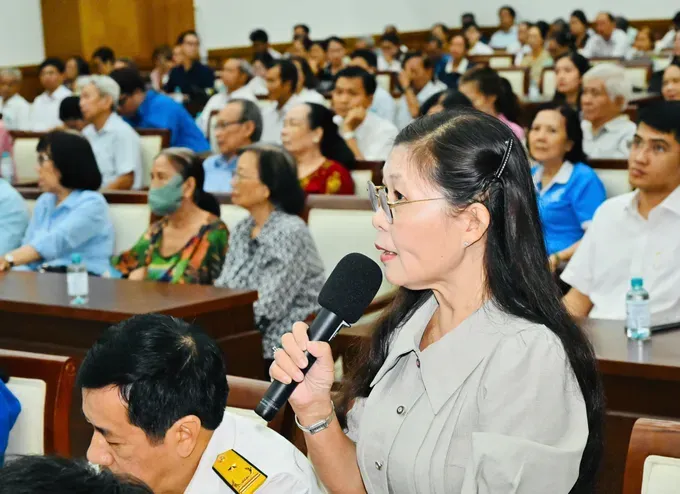
Regarding digital transformation, voter Cao Kim My from Phu Nhuan Ward said that while digital transformation in administrative reform has achieved many important results, the situation of “data silos” among agencies and units still persists.
The voter proposed that the National Assembly strengthen oversight of data sharing and interoperability among state agencies and units in order to facilitate citizens’ access to administrative procedures.
Expressing concern over personal data security when carrying out online administrative procedures, voter Cao Kim My also recommended that the National Assembly introduce stricter mechanisms to protect personal data and impose tougher penalties on acts involving the leakage, trading, or illegal use of personal information.
Only when data is securely protected will people place their trust in and actively participate in the process of digital transformation, administrative reform, and the building of digital government, the voter stated.
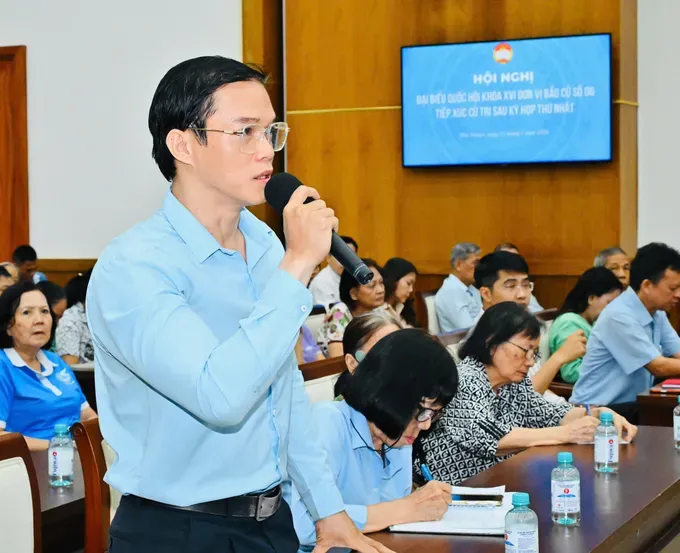
Voter Vu Duy Manh from Phu Nhuan Ward said that several incidents related to school meals had recently been detected and handled. However, food safety in schools, he stressed, should not merely be addressed on a case-by-case basis but rather viewed as an urgent requirement in state governance, educational management, and the care and protection of children.
Therefore, the voter proposed that the National Assembly and relevant authorities continue refining the legal framework governing food safety in schools, with clear regulations defining the responsibilities of each stakeholder throughout the food supply chain, from production, transportation, and storage to processing and meal provision at schools. At the same time, mechanisms should be established for regular, strict, transparent, and public inspections and supervision in order to promptly detect and prevent violations.
In particular, the voter stressed the need to clearly define the responsibilities of meal providers, schools, educational management agencies, local authorities, and specialized food safety agencies when violations occur. There must not be a situation where responsibility is entirely delegated away or where action is taken only after incidents have already happened, the voter emphasized.

)