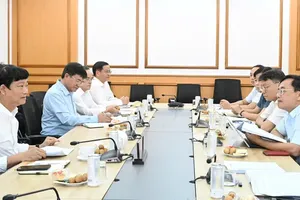
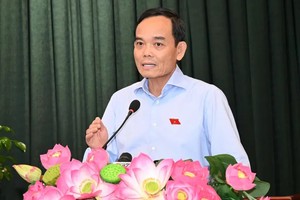
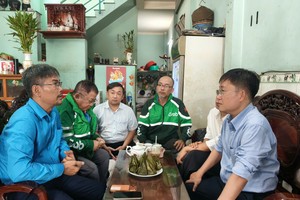
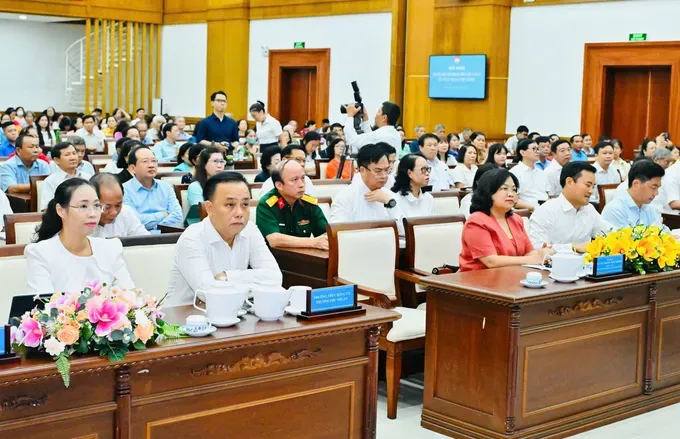
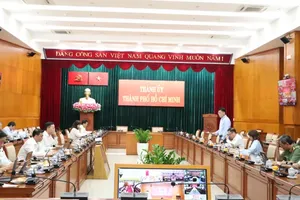
On May 11, the HCMC National Assembly Delegation's Constituency Unit No. 6 met with voters from Saigon, Tan Dinh, Ben Thanh, Cau Ong Lanh, Ban Co, Xuan Hoa, Nhieu Loc, Phu Nhuan, Cau Kieu, Duc Nhuan, Tan Son Nhat and Tan Son Hoa wards through both in-person and online formats.
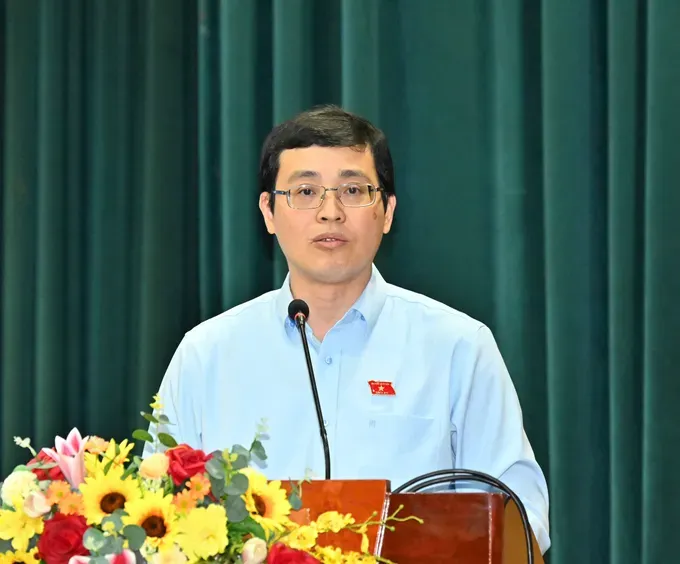
The delegation included Mr. Tran Luu Quang, Politburo member and Secretary of the Ho Chi Minh City Party Committee; Mr. Do Duc Hien, full-time member of the National Assembly’s Committee on Law and Justice; and Mr. Nguyen Vu Trung, Director of the Pasteur Institute in Ho Chi Minh City.
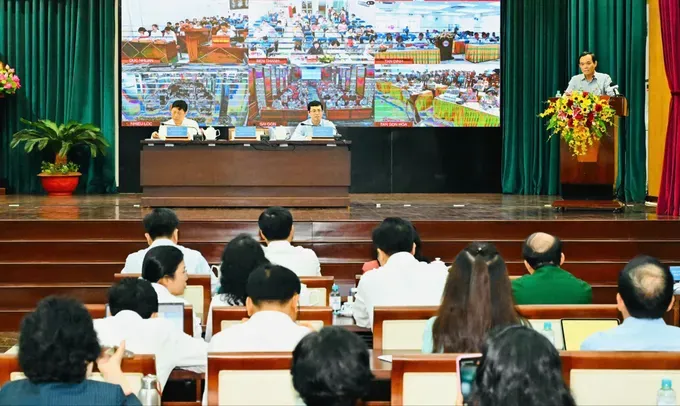
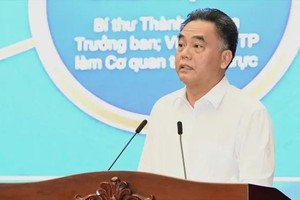
Regarding social housing, Secretary Tran Luu Quang said the Housing Law will continue to be revised to make it easier for residents to access social housing, especially in terms of eligibility criteria, standards and administrative procedures.
In Ho Chi Minh City, the city Labor Federation is coordinating with businesses and investors to develop housing models for workers to rent or purchase. Under the model, enterprises can register through trade unions to rent housing for workers, allowing them to stay free of charge or pay only part of the cost when using social housing.
Currently, the Ho Chi Minh City Labor Federation is working with enterprises and investors to build around 70,000 social housing units.
The city is also studying the development of commercial housing at reasonable prices to help more residents access homes. At the same time, authorities are focusing on transport infrastructure investment and improving connectivity between residential areas and the city center to facilitate commuting, living and working conditions.
Accelerating infrastructure development
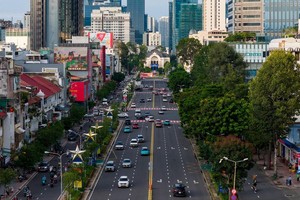
Responding to voter concerns about major infrastructure projects, delayed developments and difficulties facing real estate projects, Mr. Tran Luu Quang said that the city is paying close attention and directing efforts to resolve obstacles.
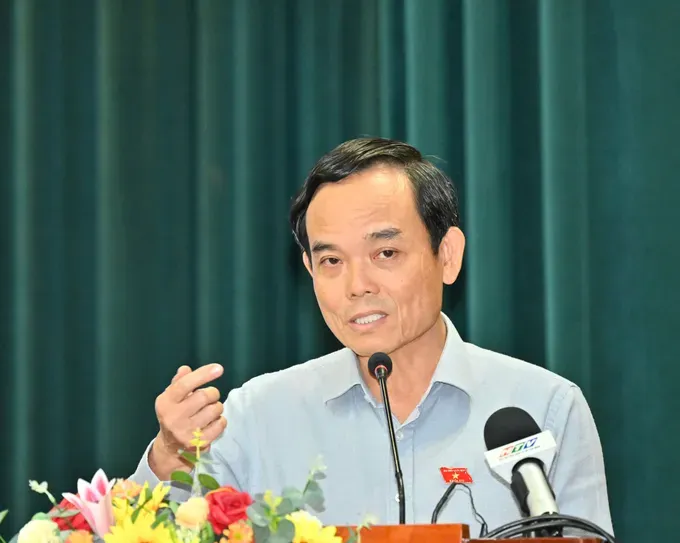
According to the Secretary, Ho Chi Minh City has introduced specific mechanisms to remove bottlenecks and expects significant improvements in infrastructure over the next few years, creating new momentum for socio-economic development.
He added that the city is receiving greater support and expanded authority from the central government to implement more flexible mechanisms and address long-standing project difficulties more effectively.
Once the Politburo issues a new resolution on the development of Ho Chi Minh City to replace Resolution 31, the city will have a basis to submit a draft law on special urban governance, which would grant broader authority to accelerate the resolution of existing obstacles.
Reducing travel time for residents
Regarding high-speed railway development, HCMC Party Secretary Tran Luu Quang said that authorities will carefully calculate investment efficiency and technology mastery to avoid waste and create effective models for future large-scale projects.
For the Ben Thanh–Can Gio railway line being studied by Vingroup, he said the project could become an important pilot model. While the North–South high-speed railway is a large-scale public investment project spanning thousands of kilometers. The more than 50-kilometer long Ben Thanh–Can Gio line could provide practical experience in technology, investment methods, operation management and efficiency.
According to the investor, if implementation proceeds smoothly, the project could be completed within about 32 months. By around 2028, travel time from Ben Thanh Market to Can Gio could be reduced to approximately 15 minutes, creating a major breakthrough in connectivity and opening new development opportunities for the southern area of the city.
The HCMC Party Secretary added that once the railway line and a planned sea-crossing bridge linking Can Gio with Ba Ria-Vung Tau are completed, travel from central Ho Chi Minh City to Vung Tau by car could take just over one hour, providing strong momentum for urban, tourism, service and marine economic development.
Evaluating officials based on data
Discussing digital transformation and administrative reform, HCMC Party Secretary Tran Luu Quang said the city is working to improve conditions for digital transformation, including upgrading equipment, improving network infrastructure, and training officials to meet the demands of the two-tier local government model.
The city is also moving toward evaluating officials based on data and actual work results, gradually overcoming subjective assessment practices.
)