From informal “morning coffee” gatherings to innovative community outreach models, grassroots authorities in Ho Chi Minh City are strengthening ties with residents and promptly addressing problems arising in daily life. As dialogue becomes more frequent, many local bottlenecks are being resolved at the community level, reinforcing public trust.
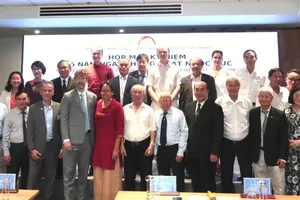
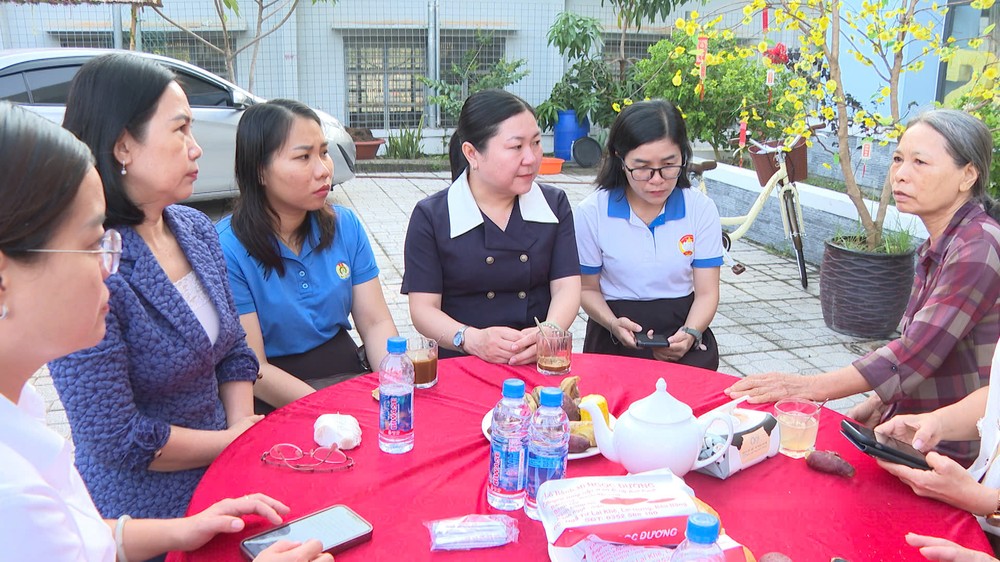
On a weekend morning in May 2025, resident Nguyen Quoc Hung from My Thanh neighborhood attended a “Morning Coffee with Residents” session organized by the People’s Committee of Ben Cat Ward to discuss difficulties his family was facing with local authorities.
In a relaxed atmosphere with no desks and no barriers, Hung shared what seemed like a personal issue but reflected a broader concern among many migrant workers: difficulties obtaining certification of legal housing status for children’s school enrollment because their homes had been built on agricultural land years earlier.
“We are not trying to avoid our obligations, but we need clear and flexible guidance so our children can have stable access to education,” Hung said.
Hung was not alone. At these “morning coffee” sessions, residents and neighborhood representatives openly discuss practical concerns such as administrative reform, traffic safety, urban beautification and security in rental housing areas.
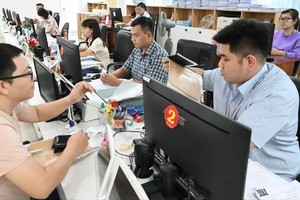
Issues arising during the operation of the two-tier local government model have also been raised directly. Local leaders have responded to feedback on the spot. In Hung’s case, specialized departments were instructed to guide his family through procedures for converting land-use purposes in accordance with regulations while creating the most favorable conditions possible for completing the paperwork.
According to the Ben Cat Ward People’s Committee, the “Morning Coffee with Residents” program rotates among three locations across the ward and has become an effective channel for dialogue between authorities and the public. Each session provides local officials with practical feedback to improve public services while allowing residents to voice concerns and contribute ideas for community development.
Grassroots initiatives bring practical support to city dwellers
Beyond dialogue, many localities in Ho Chi Minh City have introduced practical initiatives aimed at resolving residents’ difficulties at the grassroots level.
In Lai Thieu Ward, a new model launched by ward police has helped dozens of special cases gain access to social welfare benefits. Recognizing that many residents lacked identification papers and that some children had no birth certificates and therefore could not attend school, authorities proactively went “door to door” to review cases and assist residents in completing the necessary documentation.
One typical case involved a woman and her young grandchild who had moved from the Mekong Delta to live in rented accommodation. Without personal identification or household registration documents, the seven-year-old child could not enroll in school. After visiting the boarding house to verify the situation, ward police advised the Lai Thieu Ward People’s Committee on procedures to issue a birth certificate and then helped both grandmother and grandchild obtain identification cards, giving them access to education and social welfare policies.
Authorities also identified 51 residents classified as “special population cases,” mainly lottery ticket sellers, vulnerable workers and children accompanying parents seeking livelihoods. The ward organized birth certificate and identification card issuance to ensure these individuals were not left behind.
Similarly, in Chanh Phu Hoa Ward, local authorities coordinated efforts to issue identification cards and civil status documents for hundreds of elderly residents at a social protection center, helping them access essential public services. Though seemingly small, these actions carry significant meaning in protecting the rights of vulnerable groups.
Binh Hoa Ward has introduced another innovative approach through the “QR 24/7 – Listening to the People of Binh Hoa” model. With only a smartphone, residents can submit feedback and recommendations anytime and anywhere without time restrictions. Complaints and suggestions related to urban order, the environment, social welfare and local governance are received quickly through the system.
According to Chairman Tran Thanh Sang of the Vietnam Fatherland Front Committee of Binh Hoa Ward, the model represents an important step forward in listening to public opinion in line with the trend of digital transformation. It not only enhances transparency and openness but also creates a regular interaction channel between authorities and residents.

)