A key question raised is how to make bus services truly attractive to residents, thereby ensuring the effective implementation of the free bus fare policy in line with the direction of Secretary of the Ho Chi Minh City Party Committee Tran Luu Quang. In this regard, SGGP Newspaper conducted an interview with Mr. Bui Hoa An, Deputy Director of the HCMC Department of Construction, to discuss the issues highlighted in the series.
HCMC to implement free fares on 135 bus routes in 2026
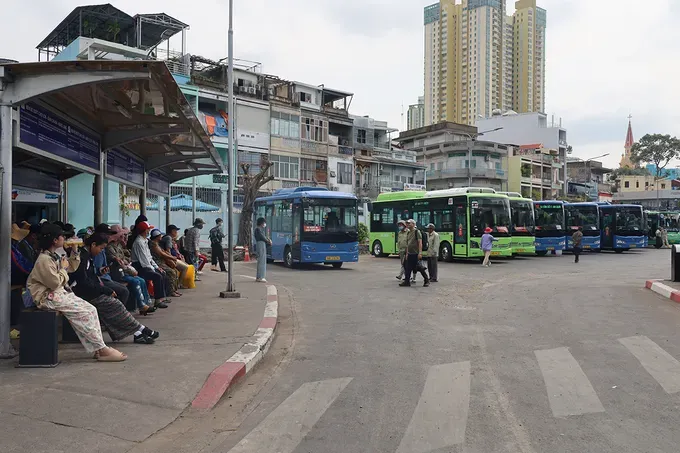
According to Deputy Director of the HCMC Department of Construction Bui Hoa An, the free bus fare program in Ho Chi Minh City is being urgently implemented by the Department of Construction in accordance with directives from the Secretary of the Ho Chi Minh City Party Committee. The city currently operates 180 bus routes, including 135 inner-city routes, including subsidized and non-subsidized services; five tourism-oriented routes; and 40 interprovincial routes. In the initial phase, the Department of Construction has proposed submitting a plan to the Ho Chi Minh City People’s Council to pilot free bus fares for passengers on the 135 inner-city routes from April 30 to December 31.
In the longer term, the city will continue to study and restructure the entire bus network following administrative boundary adjustments, aiming to achieve wider coverage across the metropolitan area, enhance connectivity, and ensure faster, more punctual services, alongside diversified public transport modes to better meet residents’ travel demand.
Once implemented across the entire system, the estimated annual cost of the free bus fare policy is approximately VND7 trillion (US$266 million), in line with the direction of Secretary of the Ho Chi Minh City Party Committee Tran Luu Quang.
The free bus fare policy is intended to help reduce part of residents’ travel expenses amid rising fuel prices, while encouraging a shift toward the use of public transport, limiting reliance on private motorized vehicles, and contributing to reductions in traffic accidents and environmental pollution.
The policy also provides a legal basis for allocating budgetary support to public passenger transport by bus and concretizes matters under the authority of the Ho Chi Minh City People’s Council in implementing support mechanisms for public transport services.
According to preliminary estimates, the total funding required from the municipal budget to implement free bus fares on 135 routes during the remaining eight months of 2026 is projected at approximately VND930 billion (US$35.3 million). The Department of Construction is carefully calculating financial scenarios and developing a detailed implementation plan to ensure feasibility and effectiveness upon rollout.
More than 180 bus routes will be covered under the free fare policy
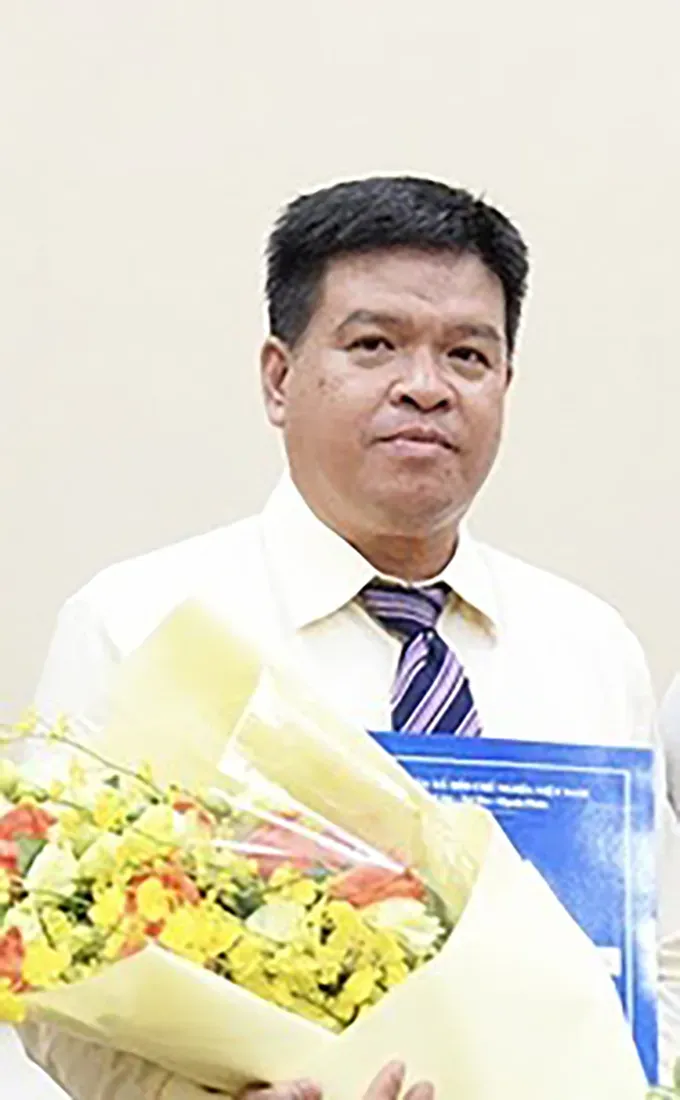
Current travel demand on interprovincial routes remains largely individual in nature, such as the route connecting An Suong Bus Station and Thu Dau Mot. Accordingly, the Department of Construction will continue to coordinate with relevant provinces and cities to further study and implement appropriate measures in the coming period.
At the same time, Ho Chi Minh City will proceed with restructuring its bus network toward comprehensive coverage across the entire area, with the projected number of routes expected to exceed the current 180. The objective is to enhance service capacity, enabling residents to travel more conveniently, quickly, and efficiently.
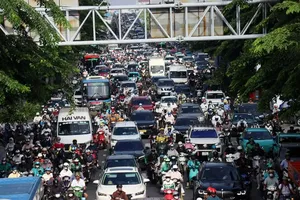
The issue of bus services failing to adhere to schedules, as highlighted by SGGP Newspaper, particularly on routes from central Ho Chi Minh City to areas such as Vung Tau and Thu Dau Mot, is mainly attributed to long travel distances, high traffic volumes, and frequent congestion at key gateways. In addition, bus timetables on certain routes have not been aligned with actual conditions, resulting in extended waiting times or deviations from scheduled arrivals.
The Department is requiring transport operators to review and adjust timetables to ensure greater flexibility across different time periods. At the same time, efforts are being stepped up to apply technology, including GPS-based monitoring and real-time bus arrival information, enabling passengers to better plan their journeys.
Furthermore, the city will coordinate with relevant localities to study the development of priority lanes on suitable road sections, as well as to organize stops and transfer points more effectively in order to shorten travel times.
Accountability of operating units will also be tightened in cases of prolonged delays. While several measures can be implemented as early as 2026, infrastructure-related solutions are expected to require one to two years to deliver tangible improvements in service punctuality.
Smart traffic organization to enhance bus speed
In the immediate term, a practical solution is to optimize existing road space and implement smart traffic management measures to ensure buses operate faster and more punctually and become more attractive to commuters. This includes organizing time-based priority lanes along suitable corridors, particularly during peak hours, alongside strengthened inspection and enforcement of traffic regulations. In addition, short priority segments can be arranged at congestion-prone routes and major intersections to help buses “break through” bottlenecks more quickly.
In addition, greater application of technology will be promoted, such as traffic signal priority for buses, route optimization, and the reduction of unnecessary stops to shorten travel time. Enhancing connectivity and transfer coordination between routes will also make travel more convenient for passengers.
The competent authorities will regularly conduct surveys and collect data on passenger volumes by time period and route, thereby adjusting service frequency accordingly. For high-demand routes, additional trips will be scheduled during peak hours, along with the provision of standby vehicles to promptly respond to sudden surges in demand.
The Department of Construction is coordinating with local authorities to strengthen inspections and address encroachments on sidewalks and roadways. Once the urban order is restored, residents will have a safer pedestrian space to access bus stops.
This is a long-term solution aimed at fostering the habit of using public transport. Ho Chi Minh City calls for the active participation of residents in complying with regulations on sidewalk use, thereby contributing to the development of a civilized and sustainable traffic environment.
The Department has been coordinating with relevant agencies to develop a range of synchronized solutions aimed at improving accessibility to public transport. As a first step, a comprehensive review of the existing network of bus stops and shelters is being conducted, with adjustments and additions planned for densely populated areas, new urban zones, and locations such as schools and hospitals.
The reorganization of bus stops will be calculated to ensure convenience and safety while enhancing connectivity with other modes of transport. At the same time, the application of technology is being promoted, including digital maps and journey-planning applications that provide real-time bus arrival information, enabling residents to take a more proactive approach to their travel.
)