Expanding economic space beyond borders
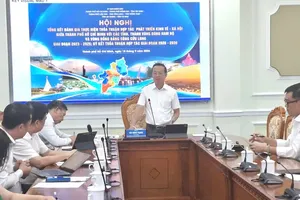
On the morning of April 10, delegates in Group 2, the Ho Chi Minh City National Assembly delegation, continued discussions on implementing the 2026 socio-economic development plan. The session focused on key issues such as achieving double-digit growth, controlling inflation, and maintaining macroeconomic stability.
 "A group discussion session on the socio-economic situation by the Ho Chi Minh City National Assembly delegation. (Photo: SGGP/ Quang Phuc)")
In his remarks at the session, Mr. Tao Duc Thang, a deputy from Ho Chi Minh City and Chairman and CEO of Viettel Group, emphasized that expanding economic activities abroad is essential to achieving the targeted double-digit growth. He cited Viettel’s experience, along with lessons from major corporations such as PetroVietnam, FPT and Vingroup.
According to him, international expansion provides greater room for growth and enables Vietnamese enterprises to aim for regional and global rankings. Viettel has sustained double-digit growth for years, with 60–70 percent of its revenue coming from overseas markets.
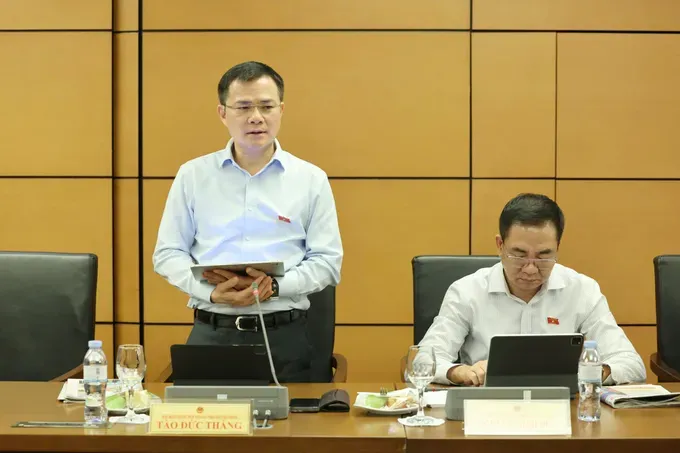
He proposed developing a national program to expand the country’s economic presence abroad by identifying strategic markets where it has technological advantages and selecting leading enterprises to pioneer and build ecosystems.
Regarding the draft National Assembly resolution on mechanisms and special policies for handling international investment disputes, deputy Tao Duc Thang noted that disputes are inevitable in overseas investment. He suggested adding provisions specifying entities that Vietnam can initiate legal action against, enabling proactive protection of national interests in global markets.
Addressing macroeconomic pressures
Mr. Tran Anh Tuan, another deputy from Ho Chi Minh City, highlighted several immediate challenges, including rising U.S. dollar exchange rate pressures affecting imports and increasing lending and deposit interest rates.
He warned that without breakthrough solutions, businesses would face significant input cost burdens. Therefore, he urged the Government to adopt both short- and long-term measures to sustain high growth in 2026 and maintain momentum for subsequent years.
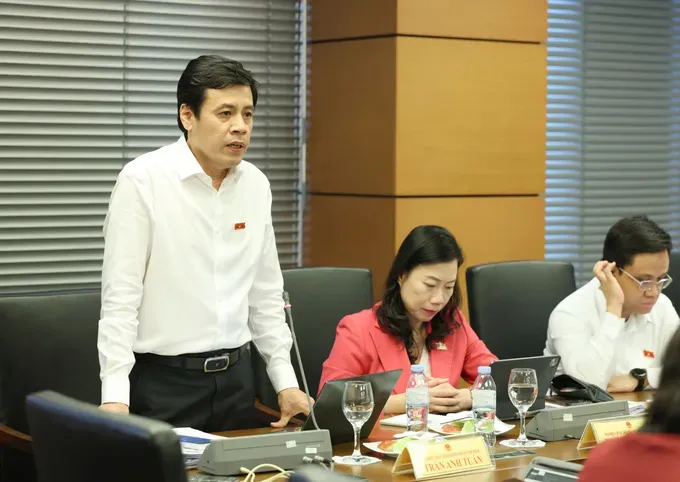
Specifically, he recommended that the State Bank of Vietnam implement tools to stabilize and lower lending interest rates to encourage business activity and stimulate demand. He also proposed issuing valuable financial instruments within credit institutions to stabilize the current interest rate environment.
On exchange rate pressures, deputy Tran Anh Tuan suggested policies to stabilize the currency and support production capacity, particularly for businesses reliant on imported raw materials. Priority policies should target sectors critical to development.
Amid rising input costs, he acknowledged the Government’s efforts to ensure energy security through tax reductions and exemptions, but stressed the need for a long-term strategy, including a gradual transition to renewable and clean energy sources.
Proposal for Ho Chi Minh City to issue international bonds
Discussing financial targets, resource mobilization and economic restructuring for the 2026–2030 period, deputy Ho Sy Hung from Hanoi, Deputy Minister of Finance, raised concerns about the feasibility of increasing tax revenue by 16–17 percent while GDP growth is projected at 10 percent.
He called for clarification on how much revenue growth would come from natural economic expansion versus tax reforms and improved revenue management. He also expressed caution over plans to mobilize VND6.5 quadrillion (US$247 billion), 2.7 times higher than the previous period, particularly the issuance of VND3.23 quadrillion (US$123 billion) in government bonds and external borrowing plans of VND1.35 quadrillion (US$51.3 billion).
While commending banks for reducing interest rates by 0.5–1 percent in line with the State Bank’s direction, he urged the Government to introduce mechanisms enabling domestic private enterprises to access medium- and long-term capital and advanced technology, helping them become key drivers of the economy.
He noted that the country’s economy remains heavily dependent on foreign-invested enterprises, which account for more than 75 percent of export value.
Warnings on inflation and resource mobilization
During the working session, Ho Chi Minh City National Assembly deputy Truong Minh Huy Vu discussed macroeconomic stability and issued several warnings. He predicted that energy price fluctuations could lead to rising inflation in the second and third quarters, thereby affecting growth.
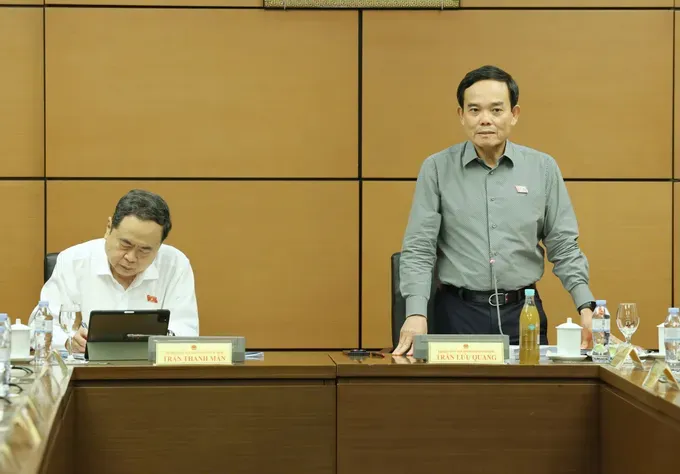
He cautioned that keeping energy prices below US$85 per barrel for the rest of the year would be difficult. Therefore, he urged the Government and National Assembly to closely monitor consumer prices and adopt measures to support input costs such as fuel and transportation.
He also emphasized the need to reassess electricity pricing to ensure alignment with economic conditions.
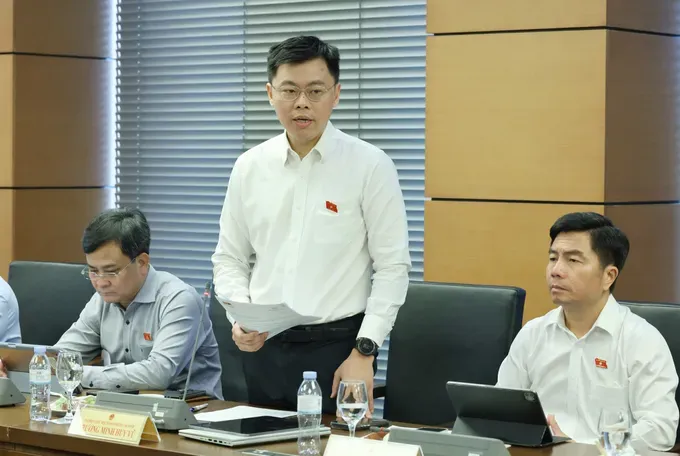
Regarding capital absorption, the deputy proposed creating a comprehensive five-year “resource mobilization map” and incorporating additional public-private partnership (PPP) models into legislation.
Notably, he suggested allowing Ho Chi Minh City to issue international bonds under specific resolutions or financial mechanisms. These bonds could be piloted for key infrastructure projects, particularly metro systems, without breaching public debt ceilings.
Bond issuance should not be widespread, but selectively applied to major projects, especially metro developments, as a pilot for international bond issuance, he concluded.





)