However, businesses must overcome differences in standards, consumer culture, and distribution systems to convert these opportunities into orders.
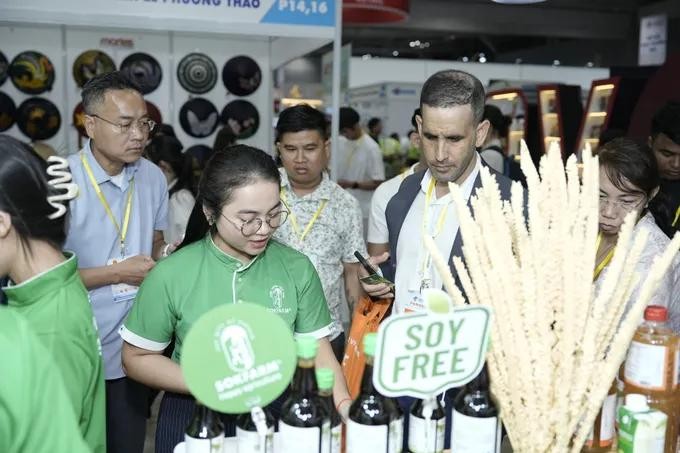
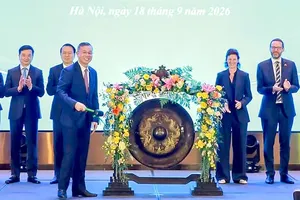
On the morning of September 23, the Vietnam Trade Promotion Agency under the Ministry of Industry and Trade held the September 2026 trade promotion briefing with the network of Vietnam Trade Offices abroad, themed "Vietnamese Halal: Identifying Supply Capacity, Market Demand, and Coordination Mechanisms to Boost Exports".
Director Vu Ba Phu of the Vietnam Trade Promotion Agency stated that the Halal market is worth trillions of US dollar and is expanding beyond food into cosmetics, tourism, finance, logistics, and various service sectors. This offers Vietnam a chance to diversify its export markets and leverage its strengths in agricultural produce, food, seafood, and processed goods. Nevertheless, enterprises must enhance their supply capacity to meet individual national standards.
According to the Ministry of Industry and Trade, the Halal market is valued at approximately US$2.6 trillion in 2024 and is projected to grow to US$3.56 trillion by 2029. The Halal food segment alone accounts for about US$1.53 trillion.
Phung Van Thanh, Commercial Counselor of Vietnam in Malaysia, noted that Malaysia has a population of nearly 35 million, over 60 percent of whom are Muslim. The country ranks among the top five Halal food importers within the Organization of Islamic Cooperation (OIC), spending about US$20 billion annually. The market scale for Halal food in Malaysia stands at around US$50 billion per year.
Regarding the Middle East, Truong Xuan Trung, who is in charge of the Vietnam Trade Office in the United Arab Emirates (UAE), stated that the UAE must import around 80 percent of its food needs while serving as a vital re-export hub for the region. Meanwhile, Saudi Arabia spends about US$18 billion annually on imported food and agricultural products, yet Vietnam's export turnover of Halal products to this market reached only about US$180 million in 2025.
Vu Thi Thanh Huyen, General Director of Nha Xanh Toan Cau, noted that Halal certification is merely an initial condition. Although businesses have spent years refining products to meet certification standards, securing large orders remains difficult because each nation has distinct requirements, consumer cultures, and distribution networks. Thus, enterprises need the Trade Office network to supply specific information on product demand and market requirements, as well as assist in connecting with importers.
The director of the Vietnam Trade Promotion Agency emphasized that trust holds special significance in the Halal market. Businesses need dedicated strategies to build and protect their brand while maintaining product quality. Additionally, coordination among enterprises, trade offices, and industry associations must be strengthened to integrate Vietnamese goods more deeply into the global Halal supply chain.