These remain major pressures for businesses as industrial production and retail growth show positive signs, while exports and the overall business sector’s financial health have yet to recover at a corresponding pace.
Production rises, but businesses remain under pressure
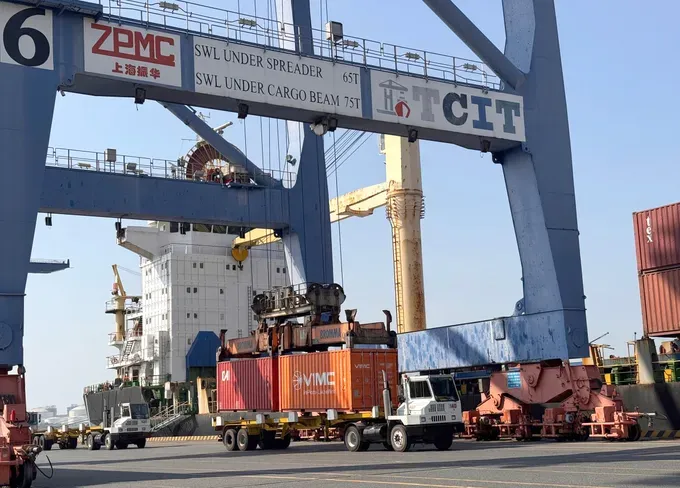
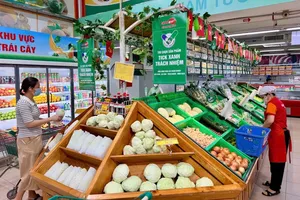
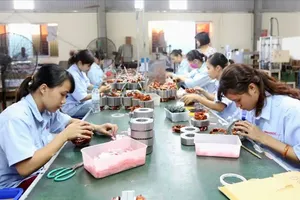
According to the Ho Chi Minh City Department of Industry and Trade, in the first eight months of 2026, the city's Index of Industrial Production (IIP) rose 10.8 percent, while total retail sales of goods and consumer service revenue increased 13.7 percent, and imports grew 11.9 percent. Around 51,800 businesses entered or re-entered the market, up 49 percent, while 43,100 businesses withdrew from the market, an increase of 24.4 percent.
Mai Huu Tin, Chairman of the Ho Chi Minh City Business Association, said businesses' input costs had risen by nearly 30 percent since the beginning of the year, while selling prices had been difficult to adjust accordingly.
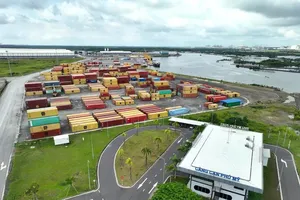
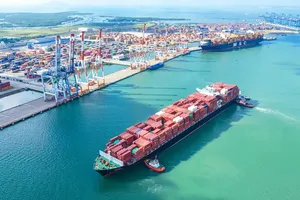
Exporters are also facing additional pressure as Vietnamese goods in some markets are subject to higher tariffs than products from several other countries in the region, reducing their competitiveness. Small and medium-sized enterprises (SMEs) face even greater pressure as purchasing power has yet to recover firmly, while capital, logistics and business-model transformation costs remain high. Lending rates have at times exceeded 10 percent, beyond what businesses can afford to bear.
Lu Nguyen Xuan Vu, Chairman of the Saigon Entrepreneurs Association, proposed maintaining the 2-percentage-point reduction in value-added tax beyond 2026; studying preferential credit or interest-rate support for SMEs; and helping businesses connect with e-commerce platforms at reasonable costs.
Meanwhile, Chairwoman of the High-Quality Vietnamese Goods Business Association, Vu Kim Hanh, said the development of a “Made by Vietnam” e-commerce platform should be accelerated to create additional outlets for Vietnamese products.
Many businesses also called for further effective administrative reforms, particularly procedures related to taxation; shorter processing times for certificates of origin; lower logistics costs; solutions to shortages of production materials; and better access to market data.
Preferential financing, expanded markets
In the final months of the year, access to capital and markets will remain major challenges for businesses, requiring concerted efforts from multiple stakeholders to address them.
Nguyen Quang Thanh, Deputy General Director of the Ho Chi Minh City Finance and Investment State-owned Company (HFIC), said the city had earmarked trillions of Vietnamese dong to subsidize 50 percent or 100 percent of loan interest rates for businesses under its investment stimulus program. HFIC has been tasked with implementing the program. The city is also studying adjustments to several conditions to broaden businesses' access to the policy.
Bank lending is also being stepped up. According to Deputy Director of the State Bank of Vietnam's Region 2 Branch, Nguyen Duc Lenh, the total value of credit packages that 19 commercial banks have registered to provide under the 2026 Bank-Business Connectivity Program in Ho Chi Minh City has reached VND591 trillion (US$22.7 billion). The packages have been rolled out since the beginning of the year. The banking sector will continue to require credit institutions to cut costs and stabilize and lower lending rates to support production and business activities.
Alongside capital support, Ho Chi Minh City is stepping up efforts to stimulate market demand and create outlets for locally produced goods.
Mr. Bui Ta Hoang Vu, Director of the Ho Chi Minh City Department of Industry and Trade, said the city would modernize its distribution system and strengthen supply-demand linkages.
From November through the Lunar New Year, market-stimulus programs will be intensified, with the aim of helping participating businesses increase revenue by at least 20 percent year on year. The Department of Industry and Trade will also review and categorize business proposals for handling within its authority or in coordination with other departments and agencies.
At the same time, the city needs to increase resources and establish mechanisms for trade promotion, particularly in overseas markets, to help businesses find customers and expand their market reach, contributing to the goal of increasing exports.
Businesses' ability to absorb capital depends largely on their own financial health. Deputy Director of the State Bank of Vietnam's Region 2 Branch, Nguyen Duc Lenh, noted that whether a loan is secured or unsecured, cash flow and debt-servicing capacity remain important factors in banks' credit assessments. Businesses need to ensure financial transparency, standardize their accounting records, and strengthen data connectivity among tax, customs and banking systems to improve access to credit.