Export turnover for fruit and vegetables in March 2026 was estimated at US$482.6 million, up 37.3 percent from February 2026 and 1.2 percent higher than the same period last year. In the first three months of the year, exports reached approximately US$1.478 billion, a 27 percent increase year-on-year, indicating that the sector has maintained strong growth despite ongoing volatility in global agricultural markets.
On the import side, fruit and vegetable imports in March 2026 totaled nearly US$196 million, up 1 percent from the previous month but down 2 percent year-on-year. Cumulatively, imports in the first quarter reached US$761.4 million, up 25.7 percent compared with the same period last year. As a result, the sector maintained a trade surplus, with March alone posting a surplus of US$286.6 million, bringing the total surplus for the first quarter of 2026 to US$716.8 million.
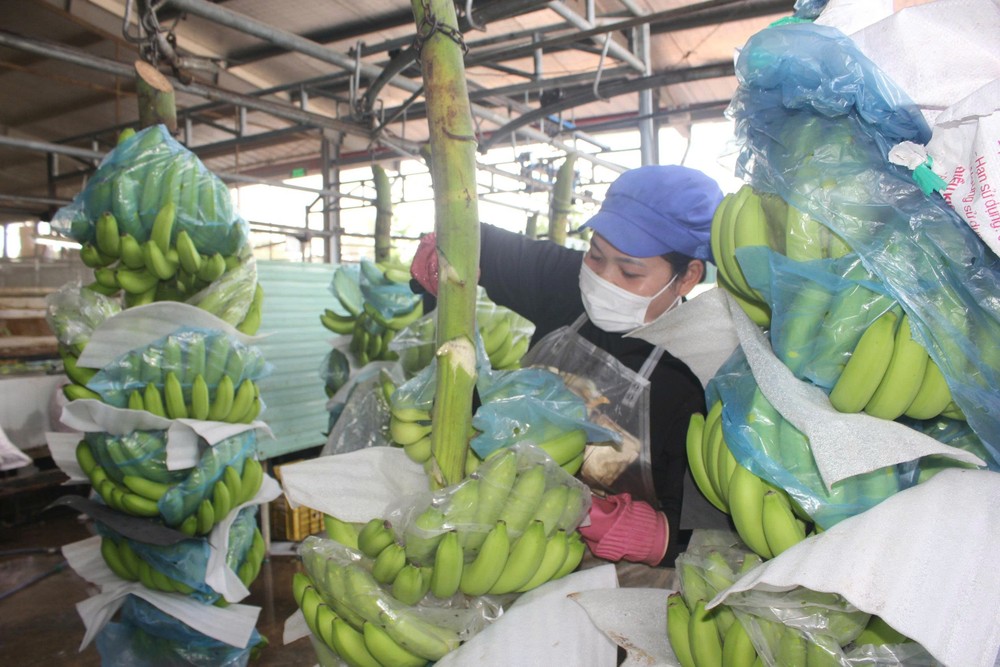
By market, China remained the largest destination for Vietnamese fruit and vegetables. In the first two months of 2026, exports to this market exceeded US$538 million, up 76 percent year-on-year and accounting for more than 54 percent of total export value. The strong growth also highlights the sector’s considerable reliance on the Chinese market.
The United States ranked second, with export turnover of nearly US$79.5 million, representing about 8 percent of total exports. It was followed by South Korea and Japan, with export values of more than US$42.7 million and around US$35 million, respectively. Several markets recorded robust growth, including Malaysia, up 197 percent; Germany, up 183 percent; and the Netherlands, up 155 percent, reflecting a trend of expanding export markets beyond Asia. Meanwhile, exports to Thailand declined, reaching only about 72 percent of the level recorded in the same period last year.
On the import side, China and the United States were also the two largest suppliers to Vietnam. In the first two months of the year, imports from China exceeded US$214 million, accounting for nearly 38 percent of total imports, while imports from the United States reached about US$167 million, or nearly 30 percent. In addition, imports from markets such as Australia, India, and Thailand all increased sharply. Notably, imports from India surged by more than 243 percent and those from Australia by over 200 percent, reflecting rising demand to diversify domestic supply sources.
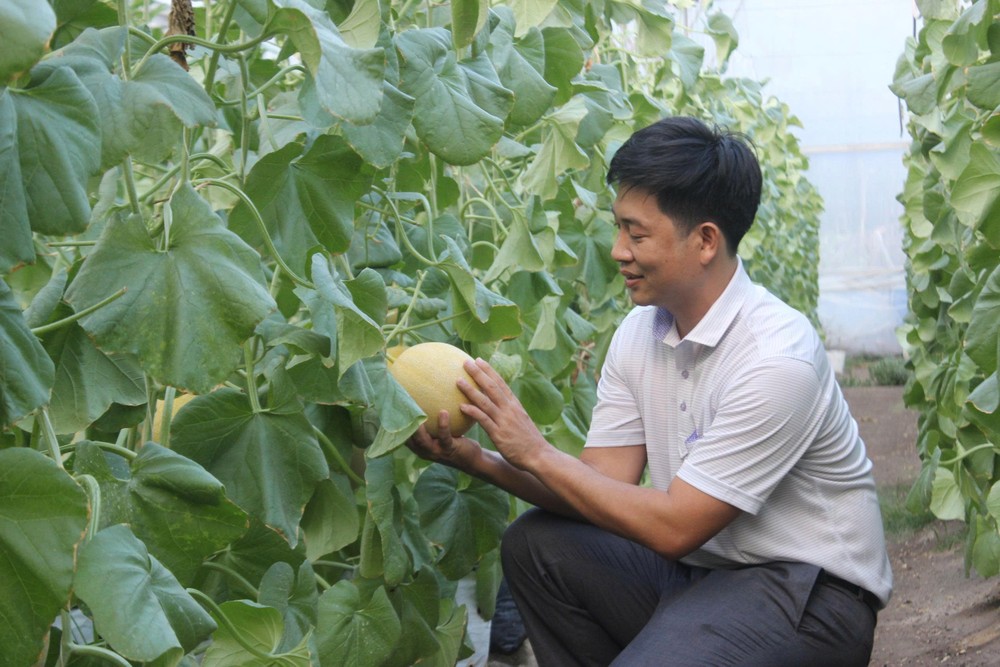
Overall, Vietnam’s fruit and vegetable trade in the first quarter showed a positive growth trend, particularly in exports. However, the market structure still reveals a heavy concentration in several key partners, especially China. At the same time, the strong growth recorded in a number of new markets offers encouraging signs of export diversification, which could enhance the long-term sustainability of Vietnam’s fruit and vegetable sector.