According to the ministry, on May 7, Deputy Minister Vo Van Hung signed an official dispatch addressed to provincial and municipal governments, specialized agencies, and agricultural testing centers, calling for urgent measures to resolve difficulties in product testing and export procedures.
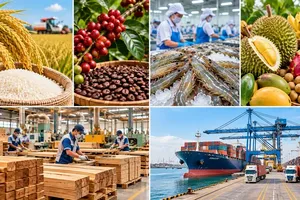
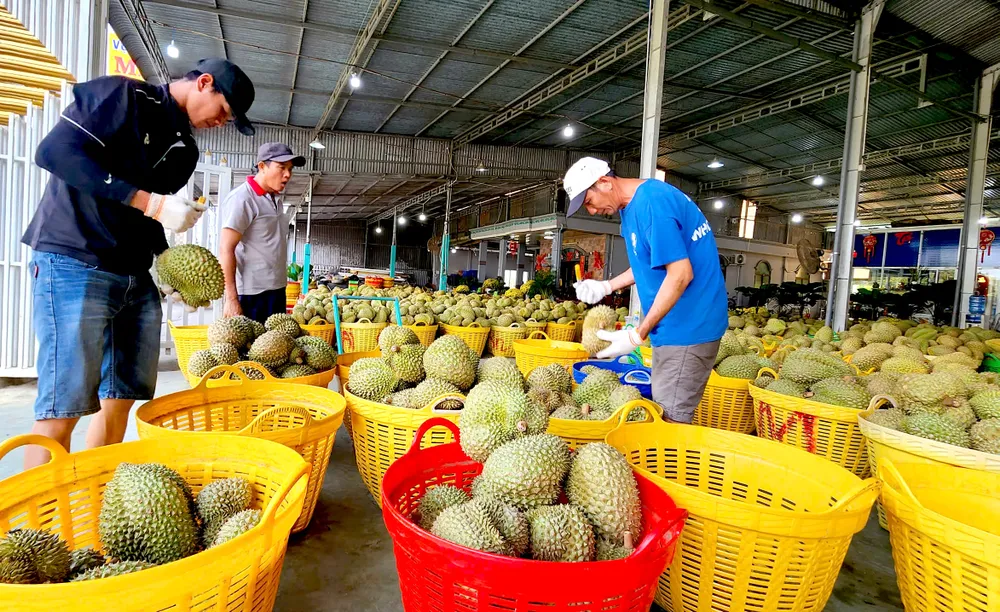
The ministry said durian exports, along with several other key agricultural products, have recently encountered serious obstacles, particularly in testing procedures, traceability verification, and compliance with import market standards. The disruptions have directly affected product consumption, farmers’ incomes, and business operations.
Local authorities were instructed to direct relevant departments and agencies to proactively work with enterprises and cooperatives to support product distribution, expand market connections, and remove bottlenecks in production, harvesting, processing, packaging, and transportation activities.
At the same time, provinces and cities were urged to tighten oversight of growing areas and packing facilities, ensuring strict compliance with regulations governing planting area codes, traceability, and food safety standards required by importing countries.
The ministry also requested local governments to strengthen the operational capacity of testing facilities by improving manpower and equipment while accelerating testing procedures for durian and other agricultural products to prevent prolonged congestion. Facilities found deliberately causing delays, creating difficulties, or failing to fully perform their responsibilities must face strict disciplinary action.
Testing centers were instructed to maximize resources and adopt flexible working schedules, including overtime operations when necessary. They were also ordered to publicly disclose testing procedures, timelines, and costs, while preventing misconduct, harassment, or unjustified refusals to conduct testing.
The Department of Crop Production and Plant Protection was tasked with working directly with China’s General Administration of Customs to seek approval for additional testing laboratories and restore certification for suspended laboratories that have addressed previous shortcomings. The department must also publish updated lists of approved and temporarily suspended laboratories.
In addition, the department was assigned to review and identify growing regions at high risk of cadmium contamination, issue cultivation guidance to minimize contamination risks, refine regulations governing cultivation zones, and export quarantine procedures, and strengthen negotiations to expand official export channels.
Meanwhile, the Department of Quality, Processing, and Market Development was instructed to assist localities in resolving procedural obstacles related to laboratory accreditation and to improve food safety regulations for agricultural, forestry, and fishery exports in line with importing countries’ requirements.
Under the directive, heads of agencies and relevant units will be held directly accountable to the minister for implementation results.