At a workshop held on March 27 in the Mekong Delta, experts and policymakers urged stronger investment in “green capital” to build sustainable livelihoods and climate resilience for local communities. The event, titled “Towards an Inclusive Green and Climate-Resilient Economy in the Mekong Delta”, was co-organized by the Institute for Public Policy and Rural Development, the United Nations Development Program (UNDP), and partner organizations.
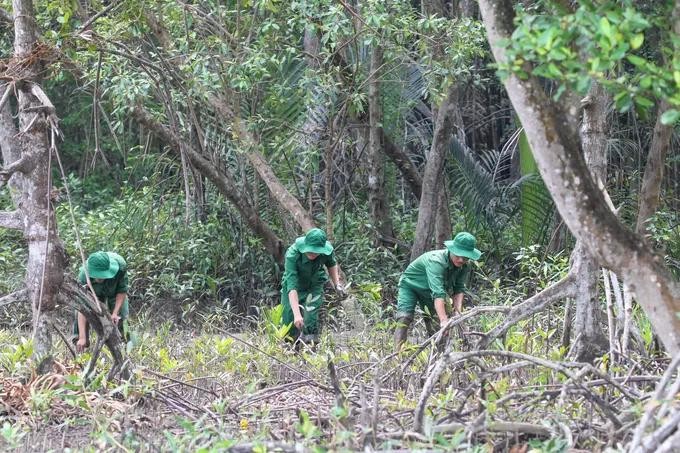
Speaking at the workshop, Vice Principal Tran Minh Hai of the Institute for Public Policy and Rural Development, said the Mekong Delta is under mounting pressure from sea-level rise, saltwater intrusion, coastal erosion, and resource depletion, all of which are directly affecting livelihoods, particularly in coastal areas. At the same time, critical ecosystems such as mangrove forests, seagrass beds, and tidal flats which are described as vital “ecological shields” are in decline.
However, he noted that these ecosystems also represent valuable “green capital.” If properly managed, they could not only protect the environment but also unlock opportunities for green economic development and participation in carbon markets. The current approach is shifting from fragmented support to a more integrated, system-based model that places communities at the center, with cooperatives playing a key role in linking people more deeply into value chains.
Vietnam has significant potential in green capital, with around 147,000 hectares of mangrove forests storing an estimated 80 million tons of CO₂, nearly half of which is located in the Mekong Delta. Despite this, a substantial gap remains between potential and actual utilization, due to the lack of integrated data systems, clear pricing mechanisms, and viable business models that enable local communities to participate and benefit.
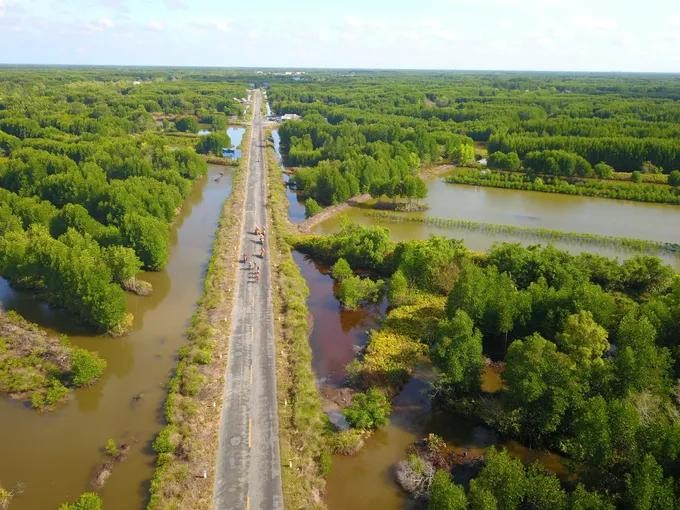
Professor Pham Thu Thuy of Flinders University in Australia noted that green finance and carbon markets are developing rapidly, offering opportunities to attract investment to coastal ecosystems such as those in the Mekong Delta. The challenge, she said, lies in developing projects that meet international standards, with robust systems for measurement, verification, and market connectivity.
From a policy perspective, Trinh Thai Ha, representing UNDP in Vietnam, emphasized that translating green capital into tangible livelihoods will require coordinated improvements in data systems, policy frameworks, and financial mechanisms, alongside the application of technology for management, monitoring, and transparency.
The UNDP representative said that only by building a cohesive ecosystem linking government, businesses, and communities with local people as central stakeholders and beneficiaries can a green economy become a truly sustainable pathway for the Mekong Delta.