The project aims to restore ecosystems and strengthen community resilience against intensifying climate impacts.
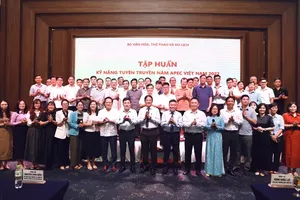
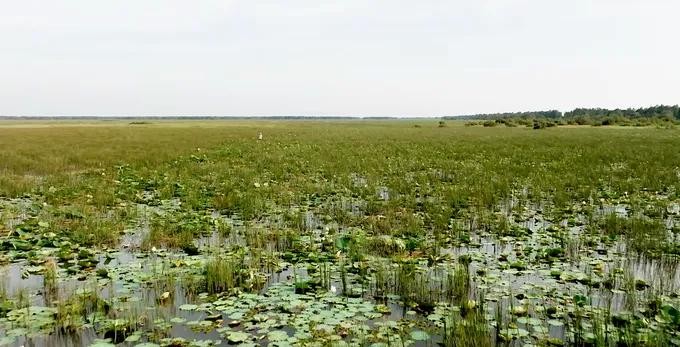
On March 27, the World Wide Fund for Nature in Vietnam (WWF Vietnam), in coordination with the Department of Agriculture and Environment of Dong Thap Province, officially launched Phase 2 of the Climate-Resilient Nature-based Solutions in the Mekong Delta (CRxN) project at Tram Chim National Park.
The project is being implemented amid increasingly evident and severe impacts of climate change in the Mekong Delta, including rising risks of flooding, ecosystem degradation, and declining livelihoods for millions of residents.
Phase 2 will run through 2029 in Dong Thap and Tay Ninh provinces, marking a significant transition from pilot initiatives to scaling up proven climate adaptation models. The goal is to restore ecosystems and strengthen community resilience, enabling both people and nature to thrive in harmony. The project will prioritize support for vulnerable communities in buffer zones surrounding Lang Sen Wetland Reserve and Tram Chim National Park.
Le Ha Luan, Director of the Department of Agriculture and Environment of Dong Thap Province, stated that Dong Thap is undergoing a strong shift from traditional agriculture to climate-smart agriculture, both to address climate challenges and to stabilize local livelihoods. Nature-based Solutions (NbS) are considered key to restoring the Mekong Delta’s natural flood regimes and form a foundation for long-term environmental and human sustainability.
Funded by the Australian Government, the project aims by 2029 to restore 1,750 hectares of critical freshwater ecosystems while securing sustainable livelihoods for nearly 2,000 vulnerable people in Dong Thap and Tay Ninh provinces. This marks a transition from pilot efforts to the broader replication of effective climate adaptation models.
Vuong Quoc Chien, Regional Project Manager of WWF Greater Mekong, noted that results from Phase 1 demonstrated the dual benefits of nature-aligned livelihood models such as floating rice cultivation and lotus–fish integrated farming. These approaches have proven effective in restoring ecosystems, improving incomes, and reducing greenhouse gas emissions. Building on this foundation, Phase 2 will expand these models, focusing on key wetland buffer zones to further enhance community resilience.
The implementation of the project not only contributes to biodiversity conservation but also creates sustainable livelihoods, enabling Mekong Delta communities to proactively adapt to increasingly unpredictable climate changes.