The congress is regarded as a major political and social event, reflecting the strength of the great national unity bloc in a new era. It also marks the beginning of a new phase in the operation of the Vietnam Fatherland Front apparatus, following the integration of socio-political organizations and mass associations assigned by the Party and State under the direct umbrella of the Vietnam Fatherland Front.
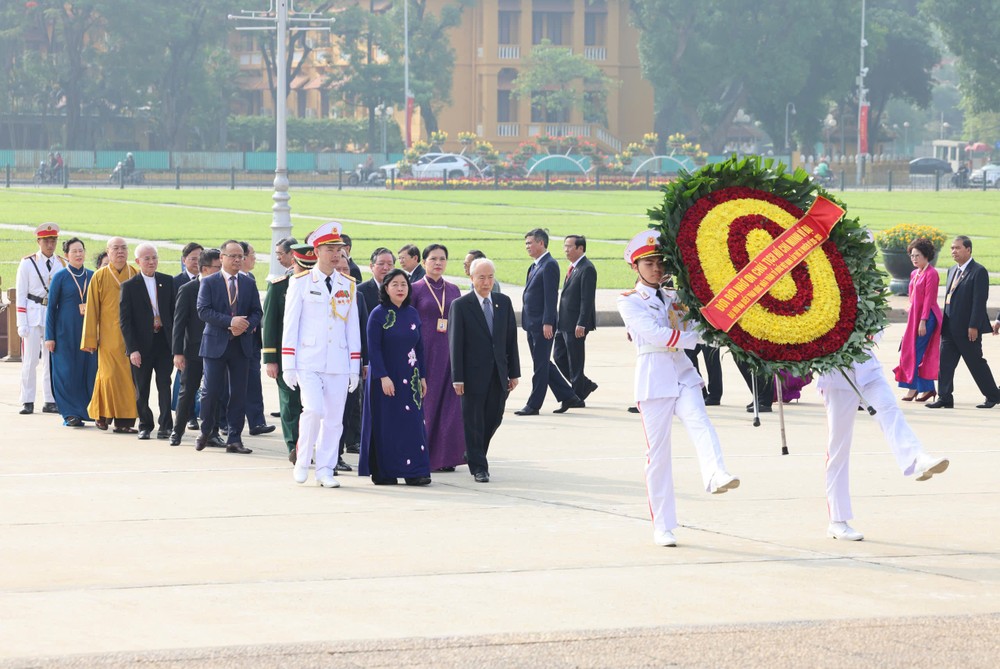
Delegates attending the congress paid tribute to President Ho Chi Minh at the Ho Chi Minh Mausoleum and laid wreaths at the Monument to Heroic Martyrs on Bac Son Street on the morning of May 11 in Hanoi. The delegation was led by Ms. Bui Thi Minh Hoai, President of the Central Committee of the Vietnam Fatherland Front.
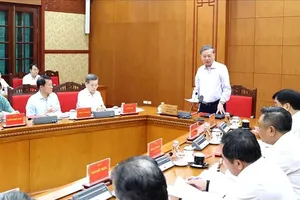
During the preparatory session on the afternoon of May 11, delegates discussed and selected the Presidium and Secretariat of the congress, reviewed reports evaluating the activities of the Central Committee, the Presidium, and the Standing Board of the Vietnam Fatherland Front Central Committee for the 2024-2026 period, and examined proposals to amend and supplement the Vietnam Fatherland Front Charter.
The congress is held under the theme: “Solidarity - Democracy - Innovation - Creativity - Development.” The political report submitted to the congress is titled: “Enhancing the Vietnam Fatherland Front’s Core Political Role in Promoting Democracy, Patriotism, and the Strength of Great National Unity to Build a Prosperous, Strong, Civilized, and Happy Nation.”
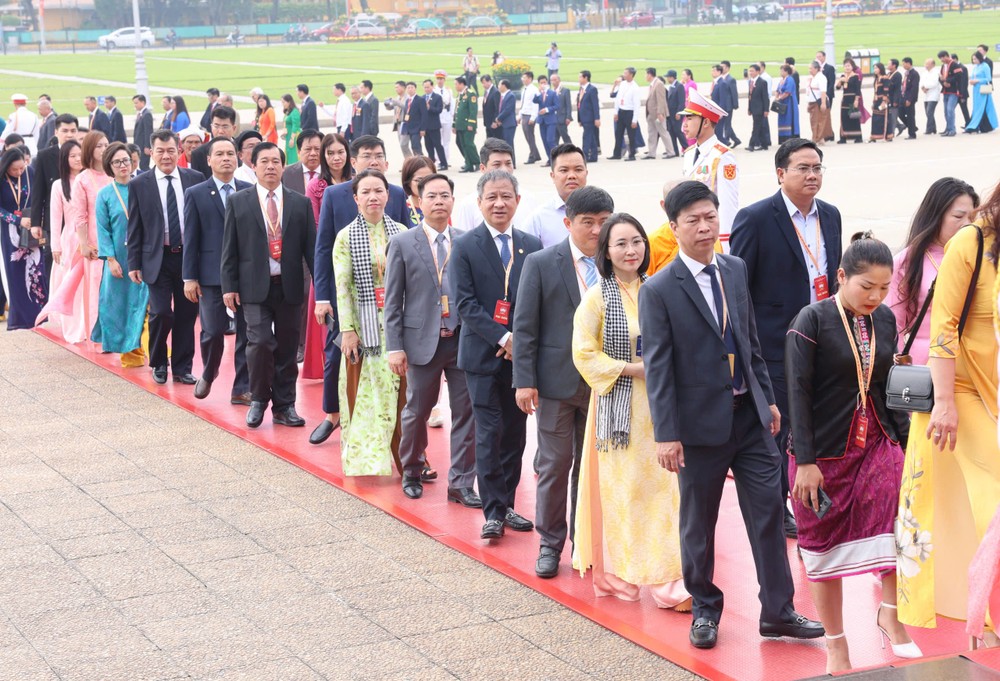
More than 1,300 delegates are attending the congress, including 1,138 official delegates. The oldest delegate is 97-year-old Major General Vo So, President of the Truong Son - Ho Chi Minh Trail Traditional Association. The youngest delegates are 23-year-olds Lo Thi Nga from Muong Luan Commune in Dien Bien Province and Y Nhi from Mo Rai Commune in Quang Ngai Province.
According to Ms. Ha Thi Nga, Vice President and Secretary General of the Vietnam Fatherland Front Central Committee, preparations for personnel work have been conducted thoroughly and carefully. The restructuring of the new Central Committee is intended to broaden the national unity bloc and improve the quality of supervision and social criticism.
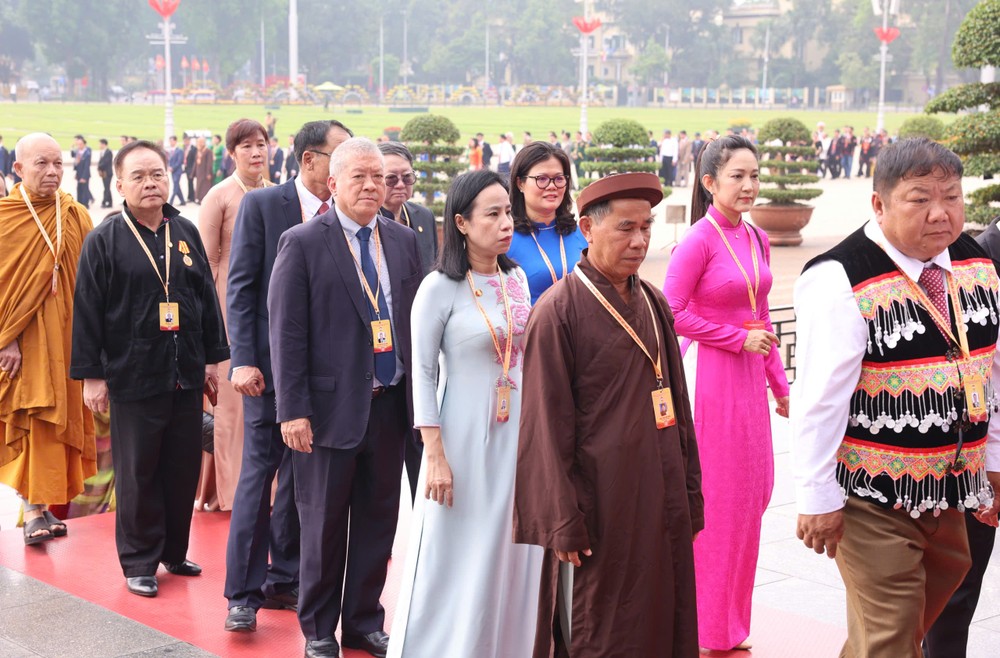
The new committee is expected to feature stronger representation from intellectuals, scientists, entrepreneurs, artists, religious dignitaries, reputable community figures, and representatives from emerging sectors of social life.
The 11th National Congress is also pursuing sweeping reforms centered on a “people-first” approach. A range of initiatives linked to digital transformation, the development of a “Digital Front,” modernization of public mobilization methods, and enhanced grassroots dialogue and consultation have been incorporated into the action program for the new term.
Technology is being applied extensively in the organization of the congress in line with Politburo Resolution 57-NQ/TW on science and technology development, innovation, and national digital transformation. For the first time, the “11th Congress - Vietnam Fatherland Front” application has been launched, providing delegates with access to documents, seating arrangements, news updates, images, and organizational support information promptly and efficiently.
A “Digital Front” exhibition space has also been set up within the congress venue, featuring virtual reality spaces, a “Historical Wall,” and demonstrations of notable digital platforms developed by Vietnam Fatherland Front bodies nationwide.
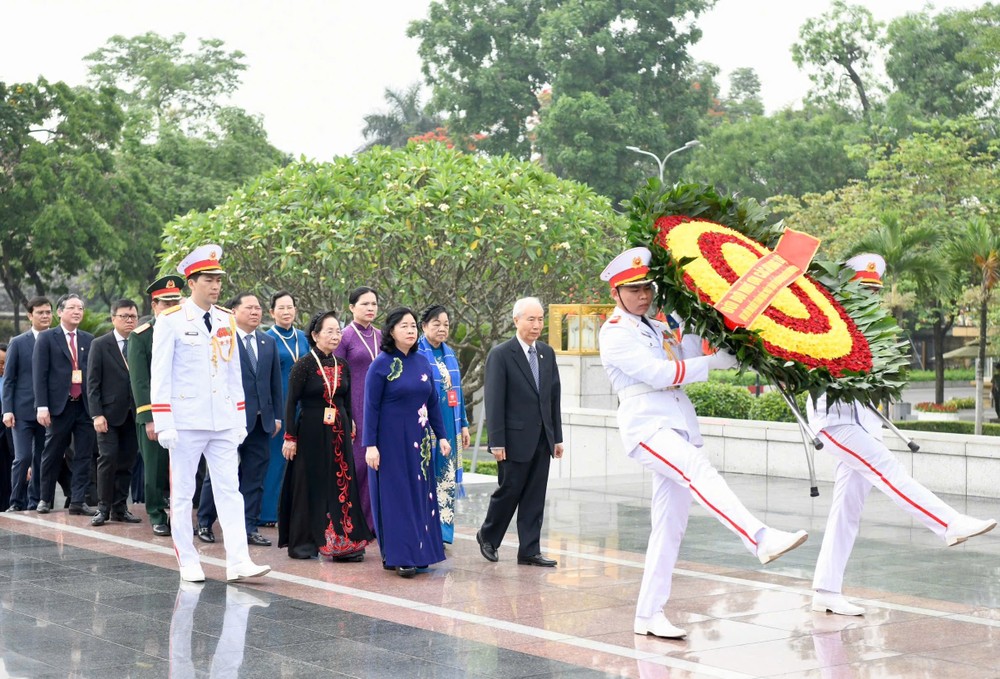
The congress will hold its official opening ceremony on May 12, with the participation and keynote addresses of Party and State leaders. Delegates will review and approve the personnel proposal for the 11th-tenure Central Committee and conduct consultations to appoint committee members for the 2026-2031 term.
The closing session is scheduled for May 13, during which members of the Presidium of the 11th-tenure Vietnam Fatherland Front Central Committee will make their debut before the congress.
The Congress expected to adopt seven major action programs for 2026-2031 term
The first program focuses on strengthening communications, public mobilization, and outreach efforts to consolidate social consensus and reinforce the great national unity bloc.
The second program aims to represent and safeguard the legitimate rights and interests of the people while improving the effectiveness of supervision, social criticism, and democratic practice, alongside active participation in Party, State, and political system building.
The third program seeks to encourage all social strata to engage in learning, labor, and innovation, contribute to socio-economic development, preserve national cultural traditions, improve living standards, and strengthen national construction and defense.
The fourth program emphasizes participation in science and technology development, innovation and the building of a digital society, while accelerating digital transformation throughout the Vietnam Fatherland Front system.
The fifth program promotes people’s ownership rights and self-governance spirit in building united, safe, prosperous, and happy residential communities.
The sixth program focuses on enhancing people-to-people diplomacy and international cooperation.
The seventh program centers on reforming operational methods, streamlining the organizational apparatus for greater efficiency and effectiveness, and improving the capacity and professionalism of Vietnam Fatherland Front officials to meet evolving demands in the new era.