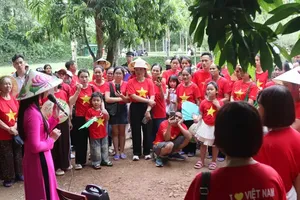
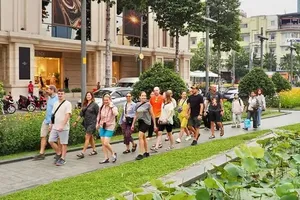
For this group, immersion in local life is the true “soul” of regional tourism.
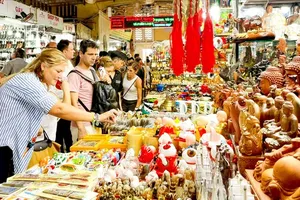
According to tourism and travel companies, Ho Chi Minh City has a diverse range of craft villages featuring distinctive local products that can be incorporated into tour itineraries. These include An Ngai rice paper, Long Kien vermicelli, Hoa Long liquor, An Nhut rice vermicelli sheets, shell handicrafts in Vung Tau, Lai Thieu ceramics, Tuong Binh Hiep lacquerware, Thu Dau Mot wood carving, Cu Chi bamboo and rattan weaving and Thuan An wooden clogs.
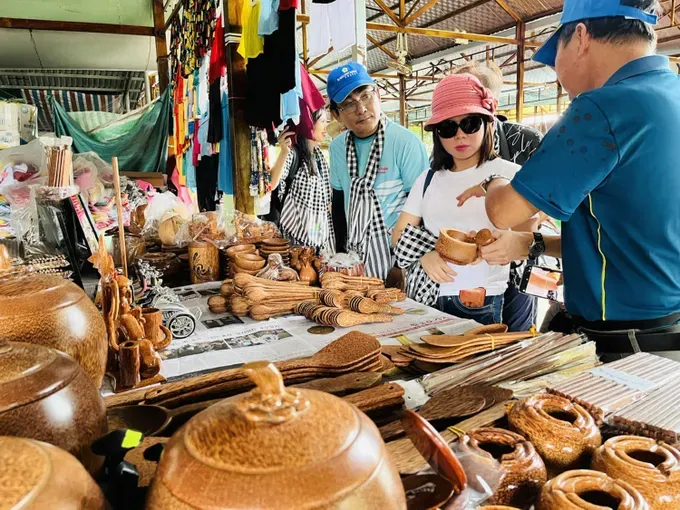
However, formal and well-structured craft village tourism models have yet to be established. As a result, tour operators often conduct independent site surveys and negotiate directly with producers. These informal arrangements frequently encounter obstacles related to scheduling, weather, food safety, limited space and the absence of proper display areas.
Surveys from several travel companies indicate that while craft villages have strong potential to attract tourists, many remain rudimentary and small-scale. To better serve tourism, facilities need to develop dedicated demonstration areas with clean, well-equipped workshops and bring together skilled artisans to introduce techniques and guide visitors through hands-on experiences.
These sites should also include rest areas, spaces for tasting and purchasing products and local specialties, as well as restaurants to cater to tour groups. Only when visitors are satisfied with their experience can tourism generate revenue. Achieving this, however, requires coordinated investment among the tourism sector, local authorities, and craft village producers.









)